
How to Soothe Sciatic Nerve Pain
Sciatic nerve pain can be effectively soothed through a combination of stretches, gentle exercises, and lifestyle modifications. Common techniques include applying heat or cold therapy, practicing proper posture, and using over-the-counter pain relievers, while severe cases may require professional medical intervention.
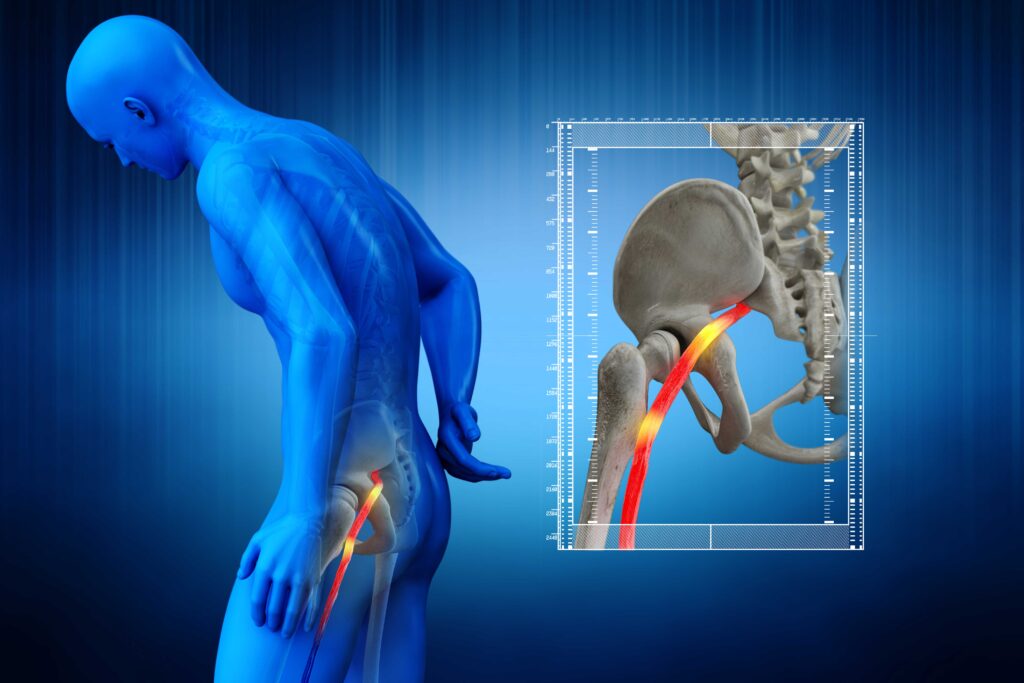
Understanding Sciatic Nerve Pain
Have you ever felt a sharp, burning sensation running from your lower back down to your leg? If so, you might be dealing with sciatic nerve pain. It’s a common problem that affects millions of people worldwide, and boy, can it be a real pain in the… well, you know where.
As someone who’s dealt with this pesky issue firsthand, I can tell you it’s no walk in the park. But don’t worry, I’ve got your back (pun intended). In this article, we’ll explore what sciatic nerve pain is, why it happens, and most importantly, how to soothe it.
What is Sciatic Nerve Pain?
Let’s start with the basics. The sciatic nerve is the longest nerve in your body. It runs from your lower back, through your hips and buttocks, and down each leg. When this nerve gets irritated or compressed, it can cause pain that radiates along its path. This is what we call sciatica or sciatic nerve pain.
Think of your sciatic nerve as a garden hose. When it’s working correctly, water flows through it smoothly. But if someone steps on the hose or it gets kinked, the water flow is disrupted. That’s similar to what happens when your sciatic nerve gets compressed or irritated.
Common Causes of Sciatic Nerve Pain
So, what causes this pain in the first place? There are several culprits:
- Herniated or slipped disc
- Bone spurs on the spine
- Spinal stenosis (narrowing of the spine)
- Piriformis syndrome (when a small muscle in your buttocks irritates the sciatic nerve)
- Pregnancy
- Sitting for long periods
Now that we know what we’re dealing with, let’s dive into how to soothe that sciatic nerve pain.
Stretches to Soothe Sciatic Nerve Pain
One of the most effective ways to ease sciatic nerve pain is through stretching. It’s like giving your body a good, gentle massage from the inside out. Here are some stretches that can help:
Seated Piriformis Stretch
This stretch targets the piriformis muscle, which can sometimes be the root of sciatic pain. Here’s how to do it:
- Sit on the floor with your legs straight out in front of you.
- Bend your right leg and place your right ankle on top of the left knee.
- Lean forward and reach for your left foot.
- Hold for 30 seconds, then switch sides.
Remember, you should feel a stretch, not pain. If it hurts, ease up a bit.
Knee to Opposite Shoulder
This stretch can help relieve pressure on the sciatic nerve. Here’s the process:
- Lie on your back with your legs extended and feet flexed upward.
- Bend your right leg and clasp your hands around the knee.
- Gently pull your right leg across your body toward your left shoulder.
- Hold for 30 seconds, then return to starting position and switch legs.
Do you feel that nice stretch in your buttocks? That’s where it should be!
Gentle Exercises for Sciatic Nerve Pain Relief
While it might seem counterintuitive, gentle exercise can actually help alleviate sciatic nerve pain. The key word here is gentle. We’re not training for a marathon; we’re just trying to keep things moving.
Walking
Sometimes, the simplest solutions are the best. Walking is a low-impact exercise that can help stretch your legs and lower back. Start with short walks and gradually increase the distance as you feel comfortable. It’s like taking your sciatic nerve for a gentle stroll.
Swimming
Water exercises are fantastic for sciatic nerve pain. The buoyancy of the water takes pressure off your spine while allowing you to move and stretch. It’s like giving your body a mini-vacation from gravity.
Yoga
Certain yoga poses can be incredibly beneficial for sciatic nerve pain. Child’s pose, cobra pose, and cat-cow stretches are all great options. Just remember to listen to your body and don’t push yourself too hard. Yoga isn’t a competition; it’s about finding what feels good for you.
Lifestyle Modifications to Ease Sciatic Pain
Sometimes, small changes in your daily routine can make a big difference in managing sciatic nerve pain. Let’s look at some lifestyle tweaks that might help:
Improve Your Posture
Poor posture can put unnecessary pressure on your spine and sciatic nerve. Try to sit up straight and avoid slouching. Imagine there’s a string pulling you up from the top of your head. It might feel weird at first, but your body will thank you later.
Use Proper Lifting Techniques
When lifting heavy objects, bend at your knees, not your waist. This helps distribute the weight evenly and prevents strain on your lower back. Think of your legs as powerful pistons – use them!
Take Regular Breaks
If you have a desk job, make sure to stand up and move around every hour or so. Your body wasn’t designed to sit for hours on end. Give it a chance to stretch and reset. Set a timer if you need to – your sciatic nerve will appreciate the reminder.
Heat and Cold Therapy for Sciatic Nerve Pain
Sometimes, a little temperature adjustment can go a long way in soothing sciatic nerve pain. Both heat and cold can be beneficial, depending on your situation.
Heat Therapy
Applying heat to the affected area can help relax tense muscles and increase blood flow. Use a heating pad or take a warm bath. It’s like giving your sciatic nerve a warm, comforting hug.
Cold Therapy
Cold therapy can help reduce inflammation and numb pain. Apply an ice pack wrapped in a towel to the painful area for about 20 minutes at a time. Think of it as putting your sciatic nerve on ice – in a good way!
Over-the-Counter Pain Relief Options
Sometimes, you might need a little extra help managing the pain. Over-the-counter medications can provide temporary relief. Here are some options:
NSAIDs (Nonsteroidal Anti-Inflammatory Drugs)
Medications like ibuprofen or naproxen can help reduce inflammation and pain. They’re like sending in a tiny army to fight the pain and swelling.
Acetaminophen
While it doesn’t reduce inflammation, acetaminophen can help manage pain. It’s like turning down the volume on your pain signals.
Topical Treatments
Creams or gels containing capsaicin or menthol can provide localized relief. They’re like giving your sciatic nerve a mini spa treatment.
When to Seek Professional Help
While many cases of sciatic nerve pain can be managed at home, there are times when you should seek professional help. Here are some signs it’s time to see a doctor:
- Severe pain that doesn’t improve with self-care measures
- Pain that spreads to both legs
- Numbness or weakness in your leg or foot
- Loss of bladder or bowel control
- Pain following a sudden injury
Remember, it’s always better to err on the side of caution when it comes to your health.
Alternative Therapies for Sciatic Nerve Pain
If traditional methods aren’t providing enough relief, you might want to explore some alternative therapies. Here are a few options to consider:
Acupuncture
This ancient Chinese practice involves inserting thin needles into specific points on your body. It might sound a bit prickly, but many people find it effective for pain relief.
Chiropractic Care
A chiropractor can perform spinal adjustments that may help relieve pressure on your sciatic nerve. It’s like giving your spine a good talking-to.
Massage Therapy
A good massage can help relax tense muscles and improve circulation. Plus, it feels great! It’s like treating your whole body to a mini-vacation.
Preventing Future Sciatic Nerve Pain
Once you’ve got your sciatic nerve pain under control, you’ll want to keep it that way. Here are some tips for preventing future flare-ups:
Stay Active
Regular exercise helps keep your muscles strong and flexible. Find activities you enjoy – your body will thank you for it.
Maintain a Healthy Weight
Extra weight puts additional stress on your spine. Keeping a healthy weight can help reduce the risk of sciatic nerve pain.
Practice Good Posture
Whether you’re sitting, standing, or sleeping, good posture helps keep your spine aligned and reduces pressure on your sciatic nerve.
Conclusion
Dealing with sciatic nerve pain can be a real challenge, but with the right approach, it’s definitely manageable. Remember, everyone’s body is different, so what works for one person might not work for another. Be patient with yourself and don’t hesitate to try different methods until you find what works best for you.
The key is to stay active, practice good posture, and listen to your body. And remember, if your pain persists or worsens, it’s always a good idea to check in with a healthcare professional. They can provide personalized advice and treatment options.
So here’s to saying goodbye to sciatic nerve pain and hello to a more comfortable, pain-free life. You’ve got this!
Frequently Asked Questions
How long does sciatic nerve pain typically last?
The duration of sciatic nerve pain can vary greatly from person to person. In many cases, it may resolve on its own within a few weeks to a few months. However, some people may experience chronic sciatic pain that lasts for extended periods. The key is to start treatment early and be consistent with your care routine.
Can sciatic nerve pain be completely cured?
While sciatic nerve pain can often be effectively managed and relieved, whether it can be completely “cured” depends on the underlying cause. In many cases, proper treatment and lifestyle changes can lead to long-term relief. However, some people may experience recurring episodes. The goal is to manage the condition effectively and prevent future flare-ups.
Is it okay to exercise with sciatic nerve pain?
Generally, light exercise is beneficial for sciatic nerve pain. It can help improve flexibility, strengthen supporting muscles, and promote healing. However, it’s important to start gently and avoid activities that exacerbate your pain. Always consult with a healthcare professional before starting any new exercise regimen, especially if you’re dealing with sciatic pain.
Can diet affect sciatic nerve pain?
While diet isn’t typically a direct cause of sciatic nerve pain, it can play a role in overall inflammation in the body. Some people find that an anti-inflammatory diet, rich in fruits, vegetables, whole grains, and lean proteins, helps manage their pain. Additionally, maintaining a healthy weight through proper diet can reduce pressure on the spine and sciatic nerve.
Are there any specific sleeping positions that can help with sciatic nerve pain?
Yes, certain sleeping positions can help alleviate sciatic nerve pain. Sleeping on your side with a pillow between your knees can help keep your spine aligned and reduce pressure on the sciatic nerve. If you prefer sleeping on your back, placing a pillow under your knees can help maintain the natural curve of your lower back. Avoid sleeping on your stomach, as this can put additional stress on your back.