
Are Massage Chairs Safe During Pregnancy
Massage chairs are generally not recommended during pregnancy due to potential risks. While they may offer relaxation, the intense pressure and vibrations could potentially harm the developing fetus or cause complications. It’s best to consult with a healthcare provider before using a massage chair while pregnant.
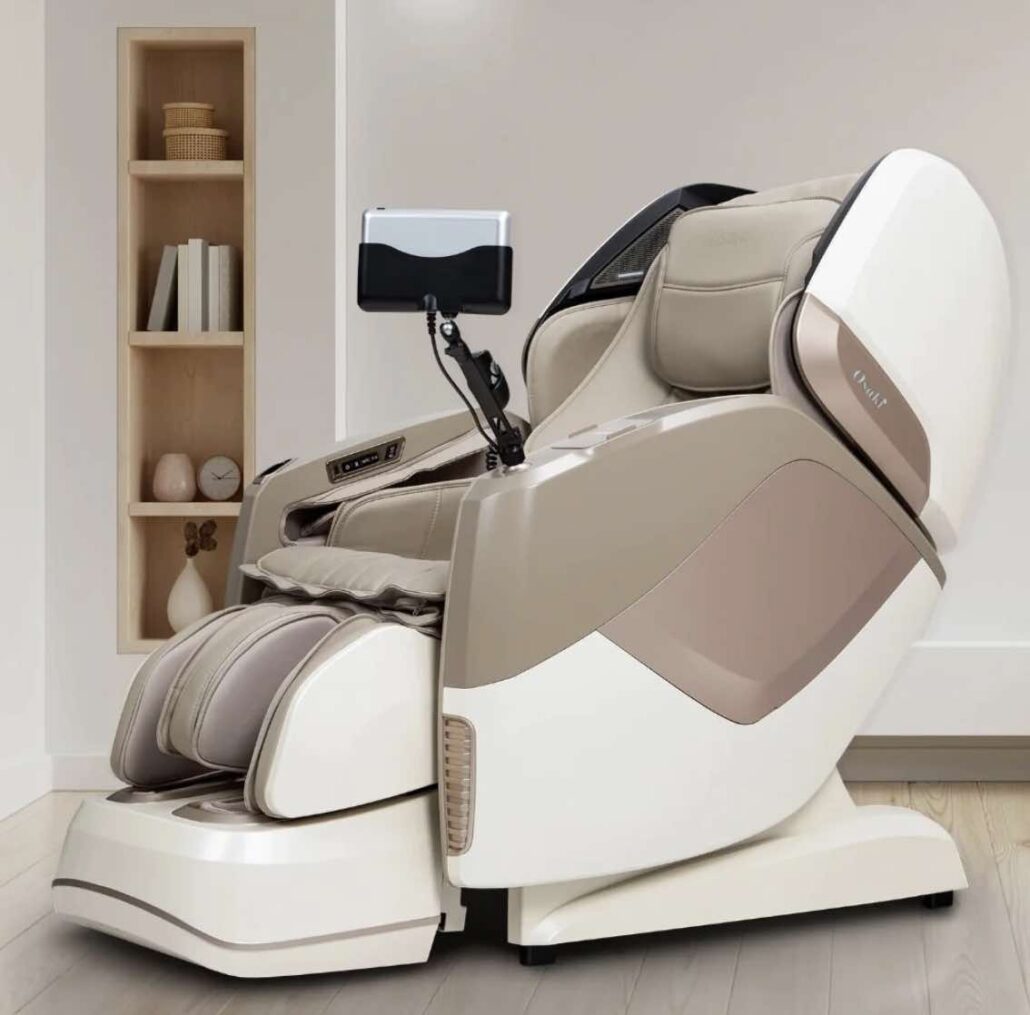
Understanding the Safety of Massage Chairs During Pregnancy
As an expectant mother, you’re probably looking for ways to relax and ease those pregnancy aches and pains. Massage chairs might seem like a tempting solution, but it’s crucial to understand the potential risks and benefits before you settle in for a session. Let’s dive into this topic and explore whether massage chairs are a safe option for pregnant women.
The Appeal of Massage Chairs for Pregnant Women
It’s no secret that pregnancy can be tough on your body. From backaches to swollen feet, the physical demands of carrying a child can leave you feeling exhausted and sore. That’s where massage chairs come in – they promise relief and relaxation at the touch of a button. But is it too good to be true?
Why Pregnant Women Might Consider Using Massage Chairs
Let’s face it, pregnancy can be uncomfortable. You might be tempted to use a massage chair for several reasons:
- Relieve back pain and muscle tension
- Improve circulation
- Reduce stress and anxiety
- Help with sleep issues
These benefits sound great, right? But before you get too excited, we need to look at the potential risks.
Potential Risks of Using Massage Chairs During Pregnancy
While massage chairs can offer relief, they also come with some risks for pregnant women. It’s important to understand these before making a decision.
Pressure Points and Stimulation
Massage chairs often target specific pressure points on your body. Some of these points, especially those in the lower back and ankles, are believed to stimulate uterine contractions. This could potentially lead to preterm labor or other complications.
Overheating
Many massage chairs come with heating functions. While this might feel great on sore muscles, raising your body temperature too much during pregnancy can be harmful to your baby.
Vibrations and Intensity
The strong vibrations and intense movements of a massage chair could potentially jostle your baby or affect your placenta. While there’s no concrete evidence that this causes harm, many doctors advise caution.
What Do Medical Professionals Say?
When it comes to pregnancy, it’s always best to err on the side of caution. Most healthcare providers recommend avoiding massage chairs, especially during the first trimester when the risk of miscarriage is highest.
The First Trimester Concerns
During the first three months of pregnancy, your body is going through rapid changes. The embryo is implanting and crucial development is taking place. Any strong external stimuli, like the vibrations from a massage chair, could potentially disrupt this delicate process.
Later Stages of Pregnancy
As your pregnancy progresses, the risks might decrease, but they don’t disappear entirely. Some doctors might okay the use of massage chairs in later trimesters, but with strict guidelines:
- Limit sessions to 15 minutes or less
- Avoid using the heat function
- Use the lowest intensity setting
- Stop immediately if you feel uncomfortable
Alternatives to Massage Chairs for Pregnant Women
Just because massage chairs might be off-limits doesn’t mean you can’t find other ways to relax and ease your pregnancy discomfort. There are plenty of safe alternatives to try.
Prenatal Massage
A massage from a trained prenatal massage therapist can be a great way to relieve tension and improve circulation. These professionals know exactly how to work with your changing body to provide safe and effective relief.
Gentle Exercise
Low-impact exercises like prenatal yoga or swimming can help ease muscle tension and improve your overall well-being. Plus, they’re great for preparing your body for labor and delivery.
Partner Massage
Ask your partner to give you a gentle massage. It’s a great way to bond and can provide relief without the risks associated with massage chairs.
When to Consult Your Doctor
If you’re still considering using a massage chair or have concerns about pregnancy discomfort, it’s always best to talk to your healthcare provider. They can offer personalized advice based on your specific situation.
Red Flags to Watch For
Whether you decide to use a massage chair or not, be aware of these warning signs and contact your doctor immediately if you experience:
- Unusual cramping or contractions
- Spotting or bleeding
- Dizziness or lightheadedness
- Sudden swelling in your legs or feet
The Importance of Listening to Your Body
Pregnancy is a unique journey for every woman. What works for one might not work for another. It’s crucial to listen to your body and trust your instincts.
Tuning Into Your Needs
Pay attention to how you feel. If something doesn’t seem right, it probably isn’t. Your body has an amazing way of telling you what it needs – all you have to do is listen.
The Role of Stress Relief in Pregnancy
While we’ve talked a lot about the physical aspects of using massage chairs during pregnancy, it’s also important to consider the mental and emotional benefits of relaxation.
Finding Safe Ways to De-Stress
Stress during pregnancy can have negative effects on both you and your baby. That’s why it’s so important to find safe ways to relax and unwind. Whether it’s through gentle exercise, meditation, or prenatal-safe spa treatments, taking time for yourself is crucial.
The Bottom Line on Massage Chairs and Pregnancy
When it comes down to it, the potential risks of using a massage chair during pregnancy outweigh the benefits. While it might be tempting to seek quick relief from a massage chair, it’s better to explore safer alternatives that won’t put you or your baby at risk.
Making Informed Choices
Remember, every pregnancy is different. What’s right for you might not be right for someone else. Always consult with your healthcare provider before trying any new treatments or therapies during pregnancy.
Conclusion
While massage chairs might seem like a tempting way to ease pregnancy discomfort, they’re generally not recommended for expectant mothers. The potential risks, including stimulation of pressure points and excessive vibration, make them a questionable choice for pregnant women. Instead, focus on safe alternatives like prenatal massage, gentle exercise, and partner massages. Always prioritize the health and safety of both you and your baby, and don’t hesitate to consult with your healthcare provider if you have any concerns. Remember, pregnancy is a special time – treat your body with care and find safe ways to relax and enjoy the journey.
Are massage chairs completely off-limits during pregnancy?
While not completely off-limits, most healthcare providers recommend avoiding massage chairs during pregnancy, especially in the first trimester. If you do use one in later stages, it should be with your doctor’s approval and following strict guidelines.
Can the vibrations from a massage chair harm my baby?
There’s no conclusive evidence that vibrations from massage chairs directly harm the baby. However, the intense movements could potentially affect the placenta or cause other complications, which is why caution is advised.
Is it safe to use a massage chair after the first trimester?
While risks may decrease after the first trimester, it’s still important to consult with your doctor. If they approve, use the chair on the lowest setting for short periods and avoid the heat function.
What are some safe alternatives to massage chairs during pregnancy?
Safe alternatives include prenatal massages from trained professionals, gentle exercises like prenatal yoga or swimming, and partner massages. These options can provide relaxation and relief without the potential risks associated with massage chairs.
How can I safely relieve back pain during pregnancy without a massage chair?
You can relieve back pain through prenatal-safe exercises, using supportive pillows while sleeping, practicing good posture, and getting prenatal massages from a trained therapist. Always consult with your healthcare provider for personalized advice.