
How to Massage Diabetic Feet
Diabetic foot massage involves gentle techniques to improve circulation and reduce discomfort. Key steps include washing and inspecting feet, using light pressure, focusing on the soles and tops of feet, and avoiding areas with open wounds or infections.
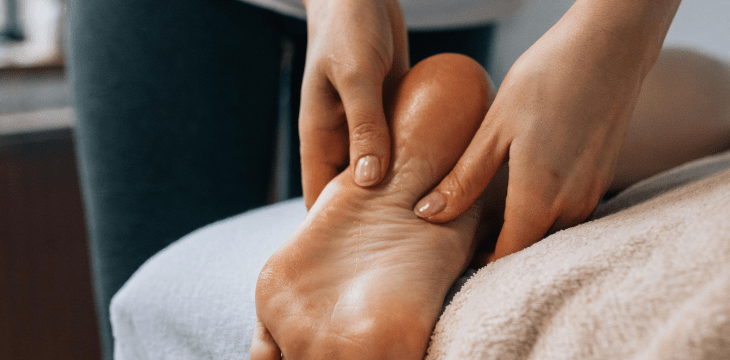
If you’re living with diabetes, you know how important it is to take care of your feet. One way to do that is through regular foot massages. But wait, isn’t foot massage off-limits for diabetics? Not necessarily! In fact, when done correctly, massaging diabetic feet can offer numerous benefits. Let’s dive into the world of diabetic foot care and learn how to give a safe, effective massage that can help improve circulation and reduce discomfort.
Why Foot Massage is Important for Diabetics
Before we get into the nitty-gritty of how to massage diabetic feet, let’s talk about why it’s so important. Diabetes can cause poor circulation and nerve damage in the feet, leading to a host of problems. A gentle foot massage can help stimulate blood flow, reduce pain, and even help you spot potential issues before they become serious.
The Benefits of Diabetic Foot Massage
You might be wondering, “What’s in it for me?” Well, quite a lot, actually! Regular foot massages for diabetics can:
- Improve circulation
- Reduce swelling
- Alleviate pain
- Promote relaxation
- Help identify potential foot problems early
Sounds pretty good, right? Now, let’s get into the how-to part.
Preparing for a Diabetic Foot Massage
Before you start rubbing those tootsies, there are a few things you need to do to ensure a safe and effective massage.
Clean and Inspect Your Feet
First things first, give those feet a good wash. Use warm (not hot) water and mild soap. While you’re at it, take a close look at your feet. Are there any cuts, blisters, or sores? If so, you’ll want to avoid those areas during your massage.
Gather Your Supplies
You don’t need much for a good foot massage, but here are a few things that can help:
- A comfortable chair or bed
- A towel
- Lotion or oil (unscented and hypoallergenic is best)
- A mirror (for checking the bottoms of your feet)
Step-by-Step Guide to Massaging Diabetic Feet
Now that we’re all set up, let’s get to the main event. Here’s how to give yourself (or someone else) a safe and effective diabetic foot massage.
1. Start with a Gentle Warm-Up
Begin by gently rubbing your hands together to warm them up. Then, place your hands on your feet and simply hold them there for a moment. This helps your feet get used to the touch and can be quite relaxing.
2. Use Light Pressure
When it comes to massaging diabetic feet, less is more. Use light, gentle pressure – about as much as you’d use to pet a cat. Remember, we’re not trying to work out knots here; we’re aiming to improve circulation and promote relaxation.
3. Focus on the Soles
Start with the soles of your feet. Use your thumbs to make small, circular motions, working from the heel to the ball of your foot. Pay special attention to the arch area, which can get quite tense.
4. Don’t Forget the Tops
After you’ve worked on the soles, move to the tops of your feet. Use your fingers to gently stroke from your toes towards your ankles. This can help reduce swelling and improve circulation.
5. Give Your Toes Some Love
Gently massage each toe, being careful not to pull or twist them. A light squeezing motion usually feels good and can help improve circulation.
6. Finish with a Gentle Stroke
To end your massage, use your whole hand to gently stroke your foot from toes to ankle. This can help calm any stimulated nerves and leave your feet feeling relaxed.
What to Avoid During a Diabetic Foot Massage
Now that we’ve covered what to do, let’s talk about what not to do. There are a few things you should avoid when massaging diabetic feet:
Don’t Massage Open Wounds or Infections
If you have any cuts, sores, or infections on your feet, avoid massaging those areas. Doing so could spread infection or make the wound worse.
Avoid Using Hot Water or Heating Pads
Diabetes can affect your ability to sense temperature, so it’s best to avoid using hot water or heating pads on your feet. Stick to warm water and room temperature massage oils or lotions.
Don’t Massage if You Have Severe Neuropathy
If you have severe nerve damage in your feet, massage might not be safe for you. Always check with your doctor before starting a foot massage routine.
How Often Should You Massage Diabetic Feet?
You might be wondering, “How often should I be doing this?” Well, it depends on your individual situation, but generally, a daily foot massage can be beneficial for most people with diabetes. Even a few minutes each day can make a big difference.
Morning vs. Evening Massage
Some people prefer to massage their feet in the morning to get their circulation going for the day. Others find an evening massage helps them relax before bed. Try both and see what works best for you.
When to Seek Professional Help
While self-massage can be great, sometimes it’s best to leave it to the professionals. Here are a few situations where you might want to seek out a professional foot massage:
If You Have Limited Mobility
If you have trouble reaching your feet or seeing them clearly, a professional can help ensure you’re getting a thorough, safe massage.
If You Notice Any Concerning Changes
If you spot any new sores, cuts, or changes in color or temperature in your feet, stop massaging and see your doctor right away.
Complementary Foot Care Practices
Foot massage is just one part of a good diabetic foot care routine. Here are a few other practices you might want to incorporate:
Daily Foot Inspections
Make it a habit to look at your feet every day. Use a mirror to check the bottoms if you can’t see them easily.
Proper Footwear
Wear well-fitting shoes and socks that don’t constrict your feet. Avoid going barefoot, even indoors.
Regular Exercise
Light exercise, like walking, can help improve circulation in your feet. Just be sure to wear appropriate shoes and check your feet afterward.
The Role of Diet in Diabetic Foot Health
You might be surprised to learn that what you eat can affect your feet. A healthy diet can help manage your blood sugar levels, which in turn can help prevent foot problems.
Foods That Promote Foot Health
Some foods that are particularly good for foot health include:
- Omega-3 rich fish like salmon
- Leafy greens for vitamin K
- Nuts and seeds for vitamin E
- Citrus fruits for vitamin C
The Importance of Hydration
Staying well-hydrated is crucial for overall health, but it’s especially important for foot health. Proper hydration can help prevent dry, cracked skin on your feet, which can be an entry point for infections.
How Much Water Should You Drink?
While individual needs vary, a good rule of thumb is to drink enough water that your urine is pale yellow. For most people, this means about 8 glasses of water a day.
The Mind-Body Connection in Foot Care
Taking care of your feet isn’t just about physical health. There’s a strong mind-body connection that comes into play when you’re giving yourself a foot massage.
The Relaxation Response
Foot massage can trigger what’s known as the “relaxation response” in your body. This is the opposite of the stress response and can help lower your blood pressure, slow your heart rate, and reduce stress hormones in your body.
Mindfulness During Foot Massage
Try practicing mindfulness during your foot massage. Focus on the sensations you feel, the texture of your skin, the warmth of your hands. This can turn your foot massage into a form of meditation, providing both physical and mental benefits.
Conclusion
Massaging diabetic feet might seem like a small thing, but it can make a big difference in your overall foot health and well-being. By improving circulation, reducing pain, and helping you stay in tune with your feet, regular foot massages can be a valuable part of your diabetes management routine. Remember to be gentle, stay alert for any changes in your feet, and always check with your healthcare provider if you have any concerns. Your feet carry you through life – isn’t it time you gave them some extra TLC?
What’s the best time of day to massage diabetic feet?
The best time to massage diabetic feet is whenever it fits comfortably into your daily routine. Some people prefer morning massages to improve circulation for the day ahead, while others find evening massages relaxing before bed. The key is consistency, so choose a time that you can stick to regularly.
Can I use essential oils in my diabetic foot massage?
While essential oils can be beneficial, it’s important to use caution. Always dilute essential oils with a carrier oil and do a patch test first to check for any adverse reactions. Some good options for diabetic foot massage include lavender for relaxation or peppermint for improved circulation. However, always consult with your healthcare provider before introducing new products to your foot care routine.
How long should a diabetic foot massage last?
A diabetic foot massage doesn’t need to be lengthy to be effective. Even 5-10 minutes per foot can provide benefits. The most important factor is gentleness and regularity rather than duration. Start with shorter sessions and gradually increase the time as you become more comfortable with the process.
Is it safe for someone else to massage my diabetic feet?
Yes, it can be safe for someone else to massage your diabetic feet, provided they understand the proper techniques and precautions. Make sure they know to use gentle pressure, avoid any areas of injury or infection, and stop if you experience any discomfort. It’s always a good idea to demonstrate the technique to them first and provide guidance as needed.
Can foot massage help with diabetic neuropathy pain?
Gentle foot massage may help alleviate some of the discomfort associated with diabetic neuropathy. The massage can stimulate the nerves and potentially improve blood flow, which might reduce pain and tingling sensations. However, if you have severe neuropathy, always consult with your doctor before starting a massage routine, as it may not be suitable for everyone.