
What Is the Difference Between Massage Therapist and Masseuse
A massage therapist is a licensed healthcare professional who treats clients through therapeutic massage, while a masseuse is an outdated term for a massage practitioner without formal training. Massage therapists require extensive education and certification, whereas masseuses typically lack professional qualifications.
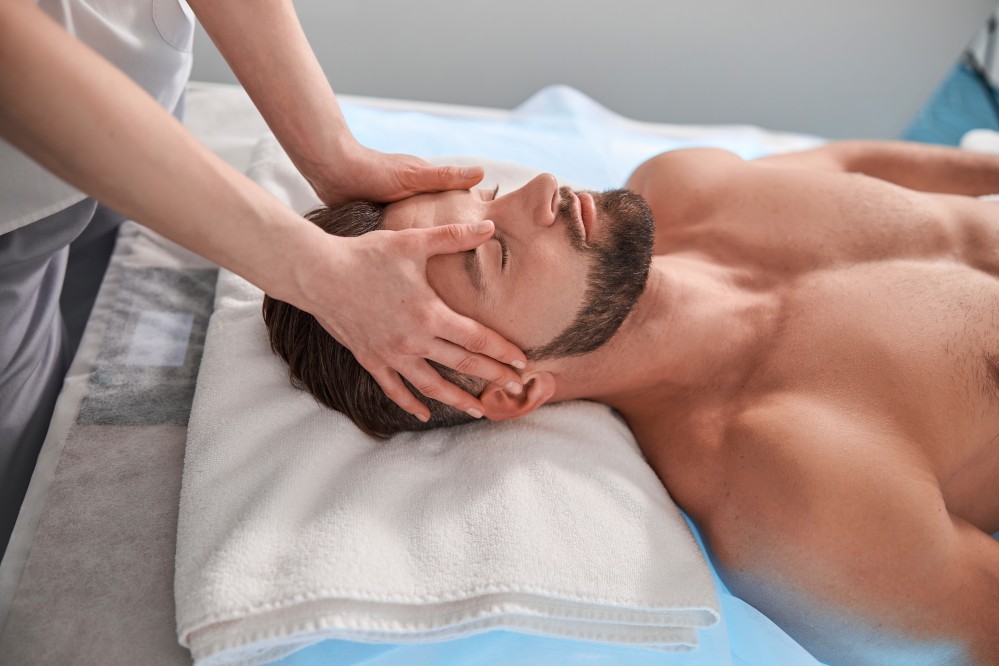
Understanding the Distinction: Massage Therapist vs. Masseuse
Have you ever wondered about the difference between a massage therapist and a masseuse? You’re not alone! Many people use these terms interchangeably, but there’s actually a significant distinction between the two. Let’s dive into the world of massage and uncover the key differences that set these professionals apart.
The Evolution of Massage Therapy
Massage has been around for centuries, but the profession has come a long way in recent years. What was once considered a luxury or even taboo has now become a respected healthcare practice. This shift in perception has led to changes in terminology and professional standards.
Defining a Massage Therapist
A massage therapist is a trained and licensed healthcare professional who uses various techniques to manipulate the soft tissues of the body. They’ve undergone extensive education and training to provide therapeutic massage for relaxation, pain relief, and overall wellness.
Education and Training
Massage therapists typically complete a rigorous educational program that includes:
- 500-1000 hours of classroom study
- Hands-on practice
- Courses in anatomy, physiology, and pathology
- Training in various massage techniques
Licensing and Certification
To practice legally, massage therapists must:
- Pass a national certification exam
- Obtain state licensure
- Complete continuing education to maintain their license
Understanding the Term “Masseuse”
The term “masseuse” (or “masseur” for males) is an older, less professional term that’s fallen out of favor in recent years. It often refers to someone who provides massage services without formal training or licensing.
Historical Context
In the past, “masseuse” was commonly used to describe anyone who gave massages. However, the term became associated with less reputable practices and even illegal activities in some cases.
Lack of Formal Training
Unlike massage therapists, individuals referred to as masseuses may not have:
- Formal education in massage therapy
- Knowledge of anatomy and physiology
- Training in proper massage techniques
- Understanding of contraindications and safety practices
Key Differences Between Massage Therapists and Masseuses
Now that we’ve defined both terms, let’s break down the main differences between massage therapists and masseuses:
1. Professional Training
Massage therapists undergo extensive training, while masseuses may have little to no formal education in massage therapy.
2. Licensing and Regulation
Massage therapists are licensed and regulated by state boards, ensuring they meet specific standards. Masseuses typically operate without oversight or regulation.
3. Scope of Practice
Massage therapists can offer a wide range of therapeutic treatments, while masseuses may be limited in their techniques and understanding of body mechanics.
4. Healthcare Integration
Massage therapists often work alongside other healthcare professionals, whereas masseuses generally operate independently without medical collaboration.
5. Insurance Coverage
Many insurance plans cover services provided by licensed massage therapists, but they typically won’t cover treatments from unlicensed masseuses.
The Importance of Choosing a Licensed Massage Therapist
When it comes to your health and well-being, it’s crucial to choose a licensed massage therapist over an unlicensed masseuse. Here’s why:
Safety and Expertise
Licensed massage therapists have the knowledge and skills to perform treatments safely and effectively. They understand how to work with various health conditions and can adapt their techniques accordingly.
Professionalism and Ethics
Massage therapists adhere to a code of ethics and maintain professional boundaries. This ensures a safe and comfortable environment for clients.
Therapeutic Benefits
With their extensive training, massage therapists can provide targeted treatments that address specific health concerns and promote overall wellness.
Common Massage Techniques Used by Professional Therapists
Licensed massage therapists are trained in a variety of techniques to address different needs. Some popular methods include:
Swedish Massage
This gentle, relaxing massage uses long strokes, kneading, and circular movements to promote relaxation and improve circulation.
Deep Tissue Massage
This technique targets deeper layers of muscle and connective tissue to relieve chronic tension and pain.
Sports Massage
Designed for athletes, this massage helps prevent injuries, improve flexibility, and enhance performance.
Trigger Point Therapy
This technique focuses on releasing tight knots in muscles that can cause pain in other parts of the body.
The Role of Massage Therapy in Healthcare
Massage therapy has gained recognition as a valuable component of healthcare. Let’s explore some of the ways it contributes to overall wellness:
Pain Management
Massage can help alleviate chronic pain conditions such as lower back pain, neck pain, and headaches.
Stress Reduction
Regular massage therapy can lower stress hormones and promote relaxation, improving mental health and well-being.
Improved Circulation
Massage techniques can enhance blood flow, promoting better oxygen and nutrient delivery throughout the body.
Enhanced Immune Function
Some studies suggest that massage therapy can boost the immune system, helping to fight off illnesses.
How to Choose the Right Massage Therapist
Now that you understand the importance of working with a licensed massage therapist, here are some tips for finding the right one:
Check Credentials
Verify that the therapist is licensed in your state and has the appropriate certifications.
Read Reviews
Look for client testimonials and online reviews to get a sense of the therapist’s reputation.
Ask About Specializations
If you have specific health concerns, find a therapist who specializes in treating those issues.
Communication is Key
Choose a therapist who listens to your needs and communicates clearly about the treatment plan.
The Future of Massage Therapy
As the field of massage therapy continues to evolve, we’re seeing some exciting developments:
Integration with Traditional Medicine
More hospitals and medical practices are incorporating massage therapy into their treatment plans.
Advancements in Research
Ongoing studies are uncovering new benefits of massage therapy for various health conditions.
Specialization and Niche Practices
Massage therapists are developing expertise in specific areas, such as prenatal massage or oncology massage.
Conclusion
The difference between a massage therapist and a masseuse goes far beyond semantics. It’s about professionalism, training, and the ability to provide safe, effective therapeutic treatments. By choosing a licensed massage therapist, you’re not just getting a relaxing massage – you’re investing in your health and well-being. So the next time you’re in need of some bodywork, remember to seek out a qualified massage therapist who can offer the expertise and care you deserve.
What education is required to become a licensed massage therapist?
To become a licensed massage therapist, you typically need to complete 500-1000 hours of training at an accredited massage therapy school. This includes coursework in anatomy, physiology, pathology, and various massage techniques. After completing the program, you must pass a national certification exam and obtain state licensure.
Can massage therapy help with chronic pain conditions?
Yes, massage therapy can be very effective for managing chronic pain conditions. Licensed massage therapists are trained to work with issues like lower back pain, neck pain, and fibromyalgia. They use specific techniques to reduce muscle tension, improve circulation, and promote relaxation, which can all contribute to pain relief.
Is it safe to get a massage if I have a medical condition?
In most cases, massage therapy is safe for people with medical conditions. However, it’s crucial to work with a licensed massage therapist who has the knowledge to adapt techniques for your specific needs. Always inform your therapist about any medical conditions, medications, or recent surgeries before your session. They can then determine if massage is appropriate or if any modifications are necessary.
How often should I get a massage?
The frequency of massage therapy depends on your individual needs and goals. For general wellness and stress relief, a monthly massage might be sufficient. If you’re addressing a specific health issue or recovering from an injury, you might benefit from more frequent sessions, such as weekly or bi-weekly. It’s best to consult with a licensed massage therapist to develop a treatment plan that’s right for you.
Are there any risks associated with getting a massage from an unlicensed practitioner?
Yes, there are potential risks when receiving a massage from an unlicensed practitioner. These may include improper techniques that could lead to injury, lack of understanding about contraindications for certain health conditions, and potential exposure to unsanitary conditions. Additionally, unlicensed practitioners may not carry proper insurance or adhere to professional standards of ethics and confidentiality. It’s always safer to choose a licensed massage therapist who has the training and oversight to provide safe, effective treatments.