
Are Massage Chairs Medical Devices
Massage chairs are not typically classified as medical devices by regulatory bodies like the FDA. While they may offer therapeutic benefits, massage chairs are generally considered wellness or relaxation products rather than medical equipment.
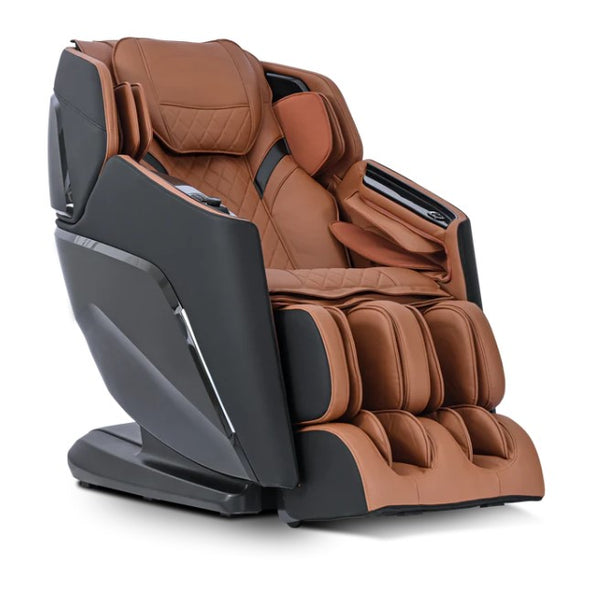
When you think about massage chairs, what comes to mind? Relaxation, comfort, maybe even a bit of luxury? But have you ever wondered if these cozy contraptions could be more than just a way to unwind after a long day? Let’s dive into the world of massage chairs and explore whether they can be considered medical devices.
What Defines a Medical Device?
Before we can answer our main question, we need to understand what makes something a medical device. The FDA (that’s the Food and Drug Administration, not your friendly neighborhood pharmacist) has some pretty strict guidelines about this.
The FDA’s Perspective
According to the FDA, a medical device is an instrument, apparatus, implement, machine, or other similar article that is:
- Intended for use in the diagnosis, cure, mitigation, treatment, or prevention of disease
- Intended to affect the structure or any function of the body
- Not achieving its primary intended purposes through chemical action within or on the body
Now, that’s quite a mouthful, isn’t it? But don’t worry, we’ll break it down in simpler terms as we go along.
Massage Chairs: More Than Just Comfort?
Let’s face it, massage chairs are pretty amazing. They knead, roll, and sometimes even heat our tired muscles. But does that make them medical devices? Well, it’s not that straightforward.
The Therapeutic Benefits
Many people swear by the health benefits of massage chairs. They claim these chairs help with:
- Reducing stress and anxiety
- Relieving muscle tension and pain
- Improving circulation
- Enhancing sleep quality
These benefits sound great, right? But here’s the catch: while massage chairs can certainly make us feel better, they’re not specifically designed to diagnose, cure, or treat medical conditions.
The Gray Area: Wellness vs. Medical Treatment
This is where things get a bit tricky. Massage chairs fall into what we might call a “wellness gray area.” They’re not quite medical devices, but they’re not just ordinary chairs either.
Wellness Products
Most massage chairs are marketed as wellness products. They’re designed to promote relaxation and general well-being. Think of them as more like a comfy pair of shoes or a nice mattress – they can make you feel better, but they’re not treating a specific medical condition.
The Medical Angle
Some manufacturers have tried to push the boundaries by claiming their massage chairs have medical benefits. But without FDA approval and rigorous clinical studies, these claims are often seen as marketing rather than medical fact.
The Regulatory Landscape
Now, let’s talk about the folks who decide what’s what in the world of medical devices.
FDA Oversight
The FDA is pretty strict about what it considers a medical device. They require extensive testing, clinical trials, and a whole lot of paperwork before they’ll give something the medical device stamp of approval.
Where Do Massage Chairs Fit In?
As of now, standard massage chairs don’t fall under FDA regulation as medical devices. They’re treated more like consumer products, similar to fitness equipment or ergonomic office chairs.
The Potential Medical Applications
While regular massage chairs aren’t medical devices, that doesn’t mean they can’t have health benefits or even potential medical applications.
Pain Management
Some studies suggest that massage therapy can help with chronic pain conditions. Could massage chairs play a role in pain management strategies? It’s possible, but more research is needed.
Stress Reduction
We all know stress can wreak havoc on our health. If massage chairs can help reduce stress, they might indirectly contribute to better overall health.
The Future of Massage Chairs in Healthcare
Who knows what the future might hold? As technology advances, we might see massage chairs that are specifically designed for medical purposes.
Potential Developments
Imagine a massage chair that could:
- Monitor your vital signs
- Adjust its massage based on your body’s needs
- Communicate with your healthcare provider
Now that would be something, wouldn’t it? But for now, these ideas are more science fiction than reality.
The Consumer Perspective
So, what does all this mean for you, the potential massage chair owner?
Making Informed Decisions
When you’re shopping for a massage chair, remember that it’s not a substitute for medical treatment. It’s a wonderful tool for relaxation and wellness, but it’s not going to cure any diseases or replace your doctor.
Understanding the Claims
Be wary of any massage chair that claims to be a medical device or to treat specific conditions. Unless it’s FDA-approved (which, as of now, no standard massage chairs are), these claims should be taken with a grain of salt.
The Role of Massage Chairs in Holistic Health
While massage chairs might not be medical devices, they can still play a role in your overall health and wellness routine.
Complementary Care
Think of a massage chair as a complement to your regular health care, not a replacement. It’s like eating your veggies – it’s good for you, but it doesn’t mean you can skip your check-ups!
Self-Care and Stress Management
In our busy lives, finding time for self-care can be tough. A massage chair at home can be a convenient way to unwind and de-stress, which is important for overall health.
The Bottom Line: Wellness Tool, Not Medical Device
So, are massage chairs medical devices? The short answer is no, at least not in the eyes of regulatory bodies like the FDA. But that doesn’t mean they’re not valuable.
A Tool for Well-being
Think of a massage chair as a high-tech wellness tool. It’s like a really fancy, really comfortable exercise ball. It can help you feel better and might even have some health benefits, but it’s not a replacement for medical care.
The Importance of Realistic Expectations
When you invest in a massage chair, do it for the right reasons. Enjoy the relaxation, the comfort, and the potential wellness benefits. But don’t expect it to cure your ailments or replace your healthcare provider.
Conclusion
In the end, while massage chairs aren’t classified as medical devices, they can still be a valuable addition to your wellness routine. They offer a convenient way to relax, de-stress, and potentially alleviate some minor aches and pains. Just remember to keep your expectations realistic and always consult with a healthcare professional for any medical concerns. So go ahead, enjoy that massage chair – your tired muscles will thank you!
Can a doctor prescribe a massage chair?
While a doctor can recommend using a massage chair as part of a wellness routine, they typically can’t prescribe one as they would a medical device. Massage chairs are generally considered wellness products, not medical equipment.
Are there any medical-grade massage chairs?
Currently, there are no standard consumer massage chairs that are classified as medical-grade devices by regulatory bodies like the FDA. Some specialized equipment used in physical therapy settings might come close, but these aren’t the same as the massage chairs you’d use at home.
Can using a massage chair replace physical therapy?
No, a massage chair cannot replace physical therapy. While it may provide some similar benefits, physical therapy involves personalized, hands-on treatment and exercises tailored to your specific condition, which a massage chair cannot replicate.
Are there any health risks associated with using massage chairs?
For most people, massage chairs are safe to use. However, individuals with certain health conditions like deep vein thrombosis, severe osteoporosis, or those who are pregnant should consult their doctor before using a massage chair. It’s always best to follow the manufacturer’s guidelines and use common sense.
Can massage chairs help with specific medical conditions?
While massage chairs may provide relief for some symptoms like muscle tension or stress, they are not designed to treat specific medical conditions. Any potential benefits for medical conditions would be considered secondary and should not replace proper medical treatment. Always consult with a healthcare professional for medical advice.