
Do Hospitals Use Massage Chairs
Hospitals commonly use massage chairs to provide relaxation and pain relief for patients, visitors, and staff. These chairs are typically found in waiting areas, break rooms, and patient rooms, offering a convenient way to reduce stress and improve overall well-being in healthcare settings.
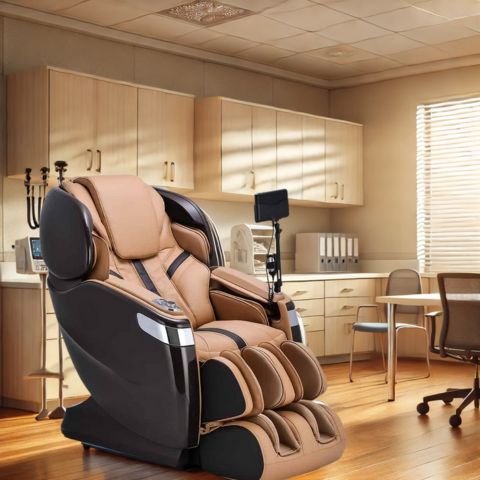
The Growing Trend of Massage Chairs in Hospitals
Have you ever wondered if hospitals use massage chairs? Well, you’re not alone! As someone who’s spent countless hours researching and testing massage chairs, I can tell you that the answer is a resounding yes. Hospitals are increasingly embracing these therapeutic wonders, and for good reason.
Massage chairs are becoming a common sight in various healthcare settings, from bustling emergency rooms to quiet oncology wards. They’re not just for patients, either – staff and visitors are also reaping the benefits of these stress-busting machines.
Why Hospitals are Turning to Massage Chairs
So, what’s driving this trend? It’s simple: hospitals are recognizing the power of massage therapy in promoting healing and reducing stress. And let’s face it, hospitals can be pretty stressful places. By introducing massage chairs, they’re offering a quick and accessible way for everyone to unwind and recharge.
The Science Behind Massage Therapy
Now, you might be thinking, “Is this just a feel-good gimmick?” Not at all! There’s solid science backing up the use of massage therapy in healthcare settings. Studies have shown that massage can:
- Reduce pain and muscle tension
- Lower blood pressure and heart rate
- Boost immune function
- Improve sleep quality
- Decrease anxiety and depression
Pretty impressive, right? It’s no wonder hospitals are jumping on the massage chair bandwagon.
Where You’ll Find Massage Chairs in Hospitals
Okay, so we know hospitals are using massage chairs. But where exactly are they putting them? Let’s take a tour, shall we?
Waiting Areas: A Welcome Distraction
Picture this: you’re in a hospital waiting room, anxiously awaiting news about a loved one. Wouldn’t it be nice to have something to take your mind off the stress? That’s where massage chairs come in. Many hospitals are placing these chairs in waiting areas to help visitors relax and pass the time more comfortably.
Staff Break Rooms: A Quick Recharge
Healthcare workers are some of the hardest-working folks out there. They’re on their feet all day, dealing with high-stress situations. A massage chair in the break room can be a godsend, offering a quick way to relieve tension and recharge before heading back to work.
Patient Rooms: Comfort During Recovery
Some hospitals are even bringing massage chairs directly to patients. For those recovering from surgery or dealing with chronic pain, having access to a massage chair can make a world of difference in their comfort and recovery.
Benefits of Massage Chairs in Hospital Settings
Now that we know where to find these chairs, let’s dive into the nitty-gritty of why they’re so beneficial in hospitals.
Pain Management
Pain is a constant companion for many hospital patients. Massage chairs offer a drug-free way to manage pain, which can be especially helpful for those trying to reduce their reliance on pain medication.
Stress Reduction
Hospitals can be stressful environments, not just for patients but for everyone involved. A few minutes in a massage chair can help lower cortisol levels (that’s the stress hormone) and promote a sense of calm.
Improved Circulation
The kneading and rolling actions of massage chairs can boost blood flow throughout the body. This is particularly beneficial for patients who may be bedridden or have limited mobility.
Better Sleep
Getting a good night’s sleep in a hospital can be challenging. Regular use of a massage chair can help improve sleep quality, which is crucial for healing and recovery.
Challenges of Implementing Massage Chairs in Hospitals
Now, you might be thinking, “If massage chairs are so great, why doesn’t every hospital have them?” Well, it’s not quite that simple. There are a few hurdles hospitals need to overcome.
Cost Considerations
Quality massage chairs don’t come cheap. For cash-strapped hospitals, justifying the expense can be a challenge. However, many are finding that the benefits outweigh the costs in the long run.
Space Constraints
Hospitals are often tight on space, and massage chairs can take up quite a bit of real estate. Finding the right spots to place these chairs without disrupting patient care or foot traffic can be tricky.
Maintenance and Hygiene
In a hospital setting, cleanliness is paramount. Massage chairs need regular cleaning and maintenance to ensure they meet strict hygiene standards. This requires time and resources that hospitals need to factor in.
Choosing the Right Massage Chairs for Hospital Use
Not all massage chairs are created equal, especially when it comes to hospital use. Here’s what hospitals need to consider when selecting chairs:
Durability
Hospital massage chairs need to withstand frequent use by people of all shapes and sizes. They should be built to last, with sturdy frames and high-quality materials.
Easy-to-Clean Surfaces
Given the importance of hygiene in hospitals, chairs with smooth, non-porous surfaces that can be easily wiped down and disinfected are a must.
User-Friendly Controls
The chairs should be easy to operate for users of all ages and abilities. Simple, intuitive controls are key.
Adjustability
One size doesn’t fit all, especially in a hospital setting. Chairs with adjustable settings for height, intensity, and massage type can accommodate a wider range of users.
Case Studies: Hospitals Successfully Using Massage Chairs
Let’s look at a few real-world examples of hospitals that have successfully integrated massage chairs into their facilities.
Mayo Clinic: Massage Chairs in Cancer Care
The Mayo Clinic in Rochester, Minnesota, has placed massage chairs in their cancer treatment areas. Patients undergoing chemotherapy can use the chairs to help manage pain and nausea associated with their treatment.
Cleveland Clinic: Staff Wellness Initiative
The Cleveland Clinic has introduced massage chairs in staff break rooms as part of their employee wellness program. They’ve reported improvements in staff morale and reduced stress levels among their healthcare workers.
Children’s Hospital of Philadelphia: Comfort for Parents
At CHOP, massage chairs have been placed in family waiting areas. This provides a way for stressed-out parents to relax while their children are receiving treatment.
The Future of Massage Chairs in Healthcare
As we look ahead, it’s clear that massage chairs have a bright future in healthcare settings. Here are a few trends we’re likely to see:
Integration with Patient Care Plans
We may see massage chair therapy becoming a more formal part of patient care plans, prescribed by doctors for stress relief or pain management.
Advanced Technology
Future hospital massage chairs might include features like biometric monitoring or personalized massage programs based on a patient’s specific needs.
Wider Accessibility
As more hospitals recognize the benefits, we’ll likely see massage chairs becoming standard features in healthcare facilities of all sizes.
Tips for Hospitals Considering Massage Chairs
If you’re a hospital administrator thinking about bringing massage chairs into your facility, here are a few tips to keep in mind:
Start Small
Begin with a pilot program in one or two key areas before rolling out chairs across the entire hospital.
Gather Feedback
Survey patients, visitors, and staff about their experiences with the chairs. Use this feedback to refine your approach.
Train Staff
Make sure your staff understands how to use and maintain the chairs properly. This will help ensure their longevity and effectiveness.
Monitor Usage
Keep track of how often the chairs are being used and by whom. This data can help justify the investment and guide future decisions.
Conclusion
So, there you have it! Hospitals are indeed using massage chairs, and it’s a trend that’s likely to continue growing. From waiting rooms to patient care areas, these therapeutic powerhouses are making a real difference in the healthcare experience for patients, visitors, and staff alike.
While there are challenges to implementing massage chairs in hospital settings, the benefits often outweigh the costs. As technology advances and more research supports the use of massage therapy in healthcare, we can expect to see even more innovative uses of massage chairs in hospitals.
Remember, healing isn’t just about medicine and procedures. It’s also about creating an environment that promotes relaxation, reduces stress, and supports overall well-being. Massage chairs are proving to be a valuable tool in achieving these goals in healthcare settings.
Are massage chairs safe for all hospital patients to use?
While massage chairs are generally safe, they’re not suitable for everyone. Patients with certain conditions like deep vein thrombosis, severe osteoporosis, or those recovering from recent surgery should consult their doctor before using a massage chair. Hospitals typically have guidelines in place to ensure patient safety.
How often should hospital massage chairs be cleaned?
In a hospital setting, massage chairs should be cleaned and disinfected after each use. Many hospitals implement strict cleaning protocols, which may include wiping down the chair with hospital-grade disinfectants between users and performing a more thorough cleaning at least once a day.
Can massage chairs help reduce medication use in hospitals?
While massage chairs aren’t a replacement for necessary medications, they can potentially help reduce the need for certain pain and anxiety medications in some patients. Always consult with a healthcare provider before making any changes to medication routines.
Do insurance companies cover the use of massage chairs in hospitals?
Currently, most insurance companies don’t directly cover the use of massage chairs in hospitals. However, some hospitals include access to these chairs as part of their overall patient care services, which may be indirectly covered by insurance.
How long should a hospital patient use a massage chair in one session?
The ideal duration can vary depending on the individual’s condition and the chair’s settings. Generally, sessions of 15-30 minutes are common. However, patients should always follow the guidelines provided by their healthcare team and listen to their body, stopping if they experience any discomfort.