
Are Massage Chairs Good for Sciatica
Massage chairs can be beneficial for sciatica by providing targeted relief to affected areas, improving circulation, and reducing muscle tension. However, their effectiveness varies depending on individual cases and should be used in conjunction with professional medical advice.
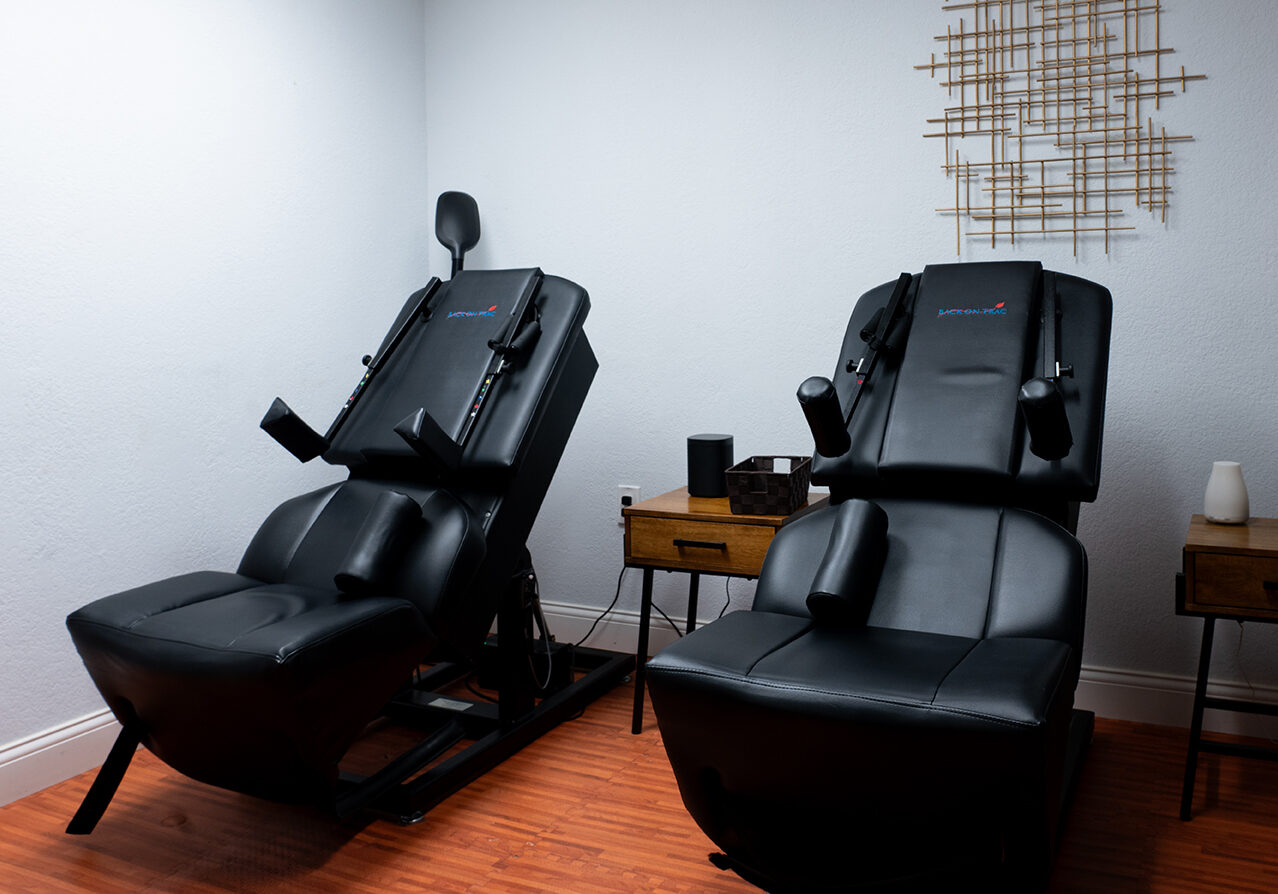
Understanding Sciatica and Its Challenges
Living with sciatica can be a real pain in the… well, you know where. If you’ve ever experienced that shooting pain down your leg, you know exactly what I’m talking about. Sciatica is no joke, and finding relief can feel like searching for a needle in a haystack. But what if I told you that the comfort you’re looking for might be just a chair away?
Let’s chat about massage chairs and how they might just be the unsung heroes in the battle against sciatica. Now, I’m not saying they’re magic, but they could be pretty close for some folks.
What Exactly is Sciatica?
Before we dive into the world of massage chairs, let’s make sure we’re all on the same page about sciatica. It’s that pesky condition where your sciatic nerve – the longest nerve in your body – gets irritated or compressed. The result? Pain that can range from a mild ache to a sharp, burning sensation that travels from your lower back down to your leg.
Common Causes of Sciatica
Sciatica can pop up for various reasons. Some common culprits include:
- Herniated discs
- Bone spurs
- Spinal stenosis
- Piriformis syndrome
Each of these can put pressure on the sciatic nerve, leading to that all-too-familiar pain. But here’s where it gets interesting – massage chairs might be able to help with some of these issues.
How Massage Chairs Can Help with Sciatica
Now, you might be wondering, “Can a chair really help with my sciatica?” Well, let me tell you, these aren’t your grandma’s rocking chairs we’re talking about. Modern massage chairs are pretty impressive pieces of technology.
Targeting the Right Spots
One of the best things about massage chairs is their ability to target specific areas of your body. Many chairs come with programs designed to focus on the lower back and glutes – prime real estate when it comes to sciatica pain.
Improving Blood Flow
Good circulation is key to healing and pain relief. Massage chairs can help boost blood flow to the affected areas, which may speed up recovery and reduce discomfort.
Reducing Muscle Tension
Tight muscles can make sciatica worse by putting extra pressure on the sciatic nerve. Massage chairs work to loosen up those tense muscles, potentially easing some of that pressure.
Features to Look for in a Massage Chair for Sciatica
If you’re thinking about getting a massage chair to help with your sciatica, not just any chair will do. Here are some features you’ll want to keep an eye out for:
S-Track or L-Track Design
These track designs allow the massage rollers to follow the natural curve of your spine, providing a more targeted massage.
Zero Gravity Position
This position takes the pressure off your spine and can be especially helpful for sciatica sufferers.
Heat Therapy
Heat can work wonders for muscle tension and pain. Look for chairs with heating elements in the lower back area.
Adjustable Intensity
Everyone’s pain tolerance is different, so being able to adjust the massage intensity is crucial.
The Science Behind Massage and Sciatica Relief
Now, I know what you’re thinking. This all sounds great, but where’s the proof? Let’s take a quick look at what science has to say about massage and sciatica.
Research Findings
Several studies have shown that massage therapy can be effective in reducing pain and improving function in people with low back pain, including sciatica. While most of these studies focus on manual massage, the principles can often be applied to massage chairs as well.
How Massage Works for Pain Relief
Massage is thought to help with pain in a few ways:
- Increasing endorphin release
- Improving blood flow
- Reducing muscle tension
- Decreasing inflammation
All of these can potentially help alleviate sciatica symptoms.
Potential Risks and Precautions
Before you rush out to buy a massage chair, let’s talk about some potential risks and precautions. After all, your health is nothing to mess around with.
When to Avoid Massage Chairs
Massage chairs aren’t for everyone. You should avoid using one if you have:
- Severe or worsening sciatica
- Recent injuries or surgeries
- Certain health conditions like blood clots or severe osteoporosis
Consulting with a Healthcare Professional
It’s always a good idea to chat with your doctor or physical therapist before starting any new treatment for sciatica, including using a massage chair. They can give you personalized advice based on your specific condition.
Incorporating Massage Chairs into Your Sciatica Treatment Plan
If you’ve gotten the green light from your healthcare provider, here’s how you might incorporate a massage chair into your sciatica treatment plan:
Start Slow
Begin with short, gentle massage sessions and gradually increase the duration and intensity as your body adjusts.
Consistency is Key
Regular use is often more beneficial than sporadic, intense sessions. Aim for daily short sessions rather than long, infrequent ones.
Combine with Other Treatments
Massage chairs work best as part of a comprehensive treatment plan. This might include exercises, stretches, and other therapies recommended by your healthcare provider.
Alternative and Complementary Treatments for Sciatica
While massage chairs can be helpful, they’re not the only option for managing sciatica. Here are some other treatments you might want to consider:
Physical Therapy
A physical therapist can teach you exercises and stretches specifically designed to help with sciatica.
Yoga and Stretching
Gentle yoga and stretching can help improve flexibility and reduce pressure on the sciatic nerve.
Acupuncture
Some people find relief from sciatica through acupuncture treatments.
Medications
Over-the-counter or prescription medications might be recommended by your doctor to manage pain and inflammation.
Real-Life Experiences: Massage Chairs and Sciatica
Now, I could talk about the potential benefits of massage chairs for sciatica all day, but sometimes it’s more helpful to hear from real people who’ve been there. Let’s take a look at a couple of experiences:
Sarah’s Story
Sarah, a 45-year-old office worker, had been struggling with sciatica for years. She decided to invest in a massage chair after trying various treatments with limited success. “At first, I was skeptical,” she says. “But after a few weeks of regular use, I noticed a significant decrease in my pain levels. It’s not a cure-all, but it’s made a big difference in my daily life.”
John’s Experience
John, a 60-year-old retiree, had a different experience. “The massage chair felt good while I was using it, but I didn’t notice any long-term improvements in my sciatica,” he reports. “I found that combining short sessions in the chair with the exercises my physical therapist gave me worked best for managing my symptoms.”
Making the Decision: Is a Massage Chair Right for You?
Deciding whether to invest in a massage chair for your sciatica is a personal choice. Here are some factors to consider:
Cost vs. Benefit
Massage chairs can be pricey. Think about whether the potential benefits outweigh the cost for you. Could you get similar results from less expensive treatments?
Space Considerations
Massage chairs are bulky. Do you have room in your home for one?
Your Lifestyle
Will you actually use the chair regularly? Be honest with yourself about your habits and schedule.
Severity of Your Sciatica
If your sciatica is severe or isn’t responding to other treatments, a massage chair might be worth trying. But if your symptoms are mild, you might want to explore other options first.
Conclusion
So, are massage chairs good for sciatica? The answer isn’t a simple yes or no. For some people, massage chairs can be a helpful tool in managing sciatica symptoms. They can provide targeted relief, improve circulation, and help reduce muscle tension. However, they’re not a miracle cure, and they may not work for everyone.
If you’re considering a massage chair for your sciatica, it’s important to approach it as part of a broader treatment plan. Talk to your healthcare provider, consider your individual needs and circumstances, and remember that what works for one person might not work for another.
Ultimately, managing sciatica often involves a combination of treatments, lifestyle changes, and a bit of trial and error. A massage chair could be a valuable addition to your pain management toolkit, but it’s not the only tool you should rely on. Keep exploring different options, stay in touch with your healthcare provider, and don’t give up hope. With the right approach, you can find ways to manage your sciatica and improve your quality of life.
Frequently Asked Questions
How often should I use a massage chair for sciatica?
The frequency of use can vary depending on your specific condition and how your body responds. As a general guideline, start with short 10-15 minute sessions once or twice a day. You can gradually increase the duration and frequency as tolerated, but always listen to your body and stop if you experience increased pain or discomfort.
Can a massage chair make sciatica worse?
While massage chairs can be helpful for many people with sciatica, they can potentially aggravate symptoms in some cases. If you experience increased pain or discomfort during or after using a massage chair, stop use immediately and consult with your healthcare provider.
Are there any specific massage techniques that are best for sciatica?
For sciatica, techniques that focus on the lower back, buttocks, and legs are often most helpful. Look for chairs that offer kneading, rolling, and tapping functions in these areas. Heat therapy can also be beneficial. However, the best technique can vary from person to person, so you may need to experiment to find what works best for you.
How long does it typically take to see results from using a massage chair for sciatica?
The timeline for seeing results can vary greatly depending on the individual and the severity of their condition. Some people might notice improvement after a few sessions, while others might need several weeks of consistent use. It’s important to be patient and consistent with your use of the chair.
Can a massage chair replace professional treatment for sciatica?
While a massage chair can be a helpful tool in managing sciatica symptoms, it shouldn’t replace professional medical treatment. It’s best used as part of a comprehensive treatment plan that may include physical therapy, exercises, and other treatments recommended by your healthcare provider.