
How to Move a Massage Chair
Moving a massage chair requires careful planning and proper techniques. To move a massage chair, first unplug it, remove any attachments, protect it with blankets or padding, use a dolly or hand truck for transport, and have at least two people lift and carry it safely to avoid injury or damage.
To move a massage chair, start by unplugging it and removing any attachments. Next, protect the chair with blankets or padding, use a dolly or hand truck for transport, and have at least two people lift and carry it carefully to avoid injury or damage to the chair or surroundings.
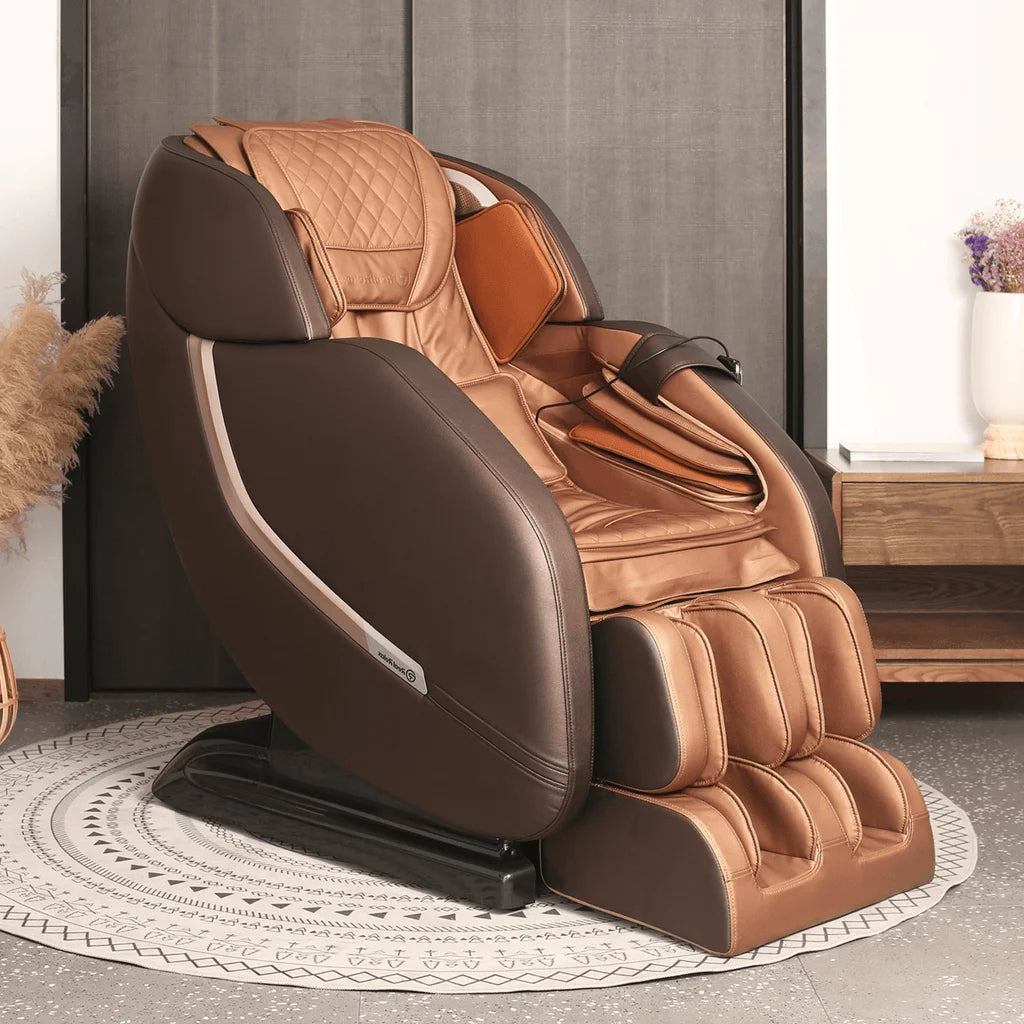
Why Moving a Massage Chair Can Be Tricky
Have you ever tried to move a refrigerator by yourself? Well, moving a massage chair can be just as challenging, if not more so. These bulky pieces of furniture are not your average living room recliners. They’re packed with complex mechanisms, delicate electronics, and heavy components that make them a real pain to relocate.
But don’t worry! With the right approach and a bit of planning, you can move your massage chair without breaking your back (or the chair). In this guide, we’ll walk you through the process step by step, ensuring your prized possession reaches its new home safe and sound.
Preparing for the Move
Before you start flexing those muscles, let’s talk about preparation. Trust me, a little prep work goes a long way in making the whole process smoother than a well-oiled massage roller.
Gather Your Tools and Materials
First things first, you’ll need to round up some supplies. Here’s what you should have on hand:
- Moving blankets or furniture pads
- Packing tape
- Bubble wrap
- A dolly or hand truck
- Screwdriver set
- Work gloves
Having these items ready will save you time and frustration later on. Trust me, you don’t want to be running around looking for bubble wrap when you’re halfway through the move!
Clear a Path
Before you even think about lifting that chair, make sure you have a clear path to your destination. Remove any obstacles, open doors, and measure tight spaces to ensure your chair will fit through. Remember, it’s better to spend a few minutes clearing the way than to get stuck in a doorway with a heavy massage chair!
Disassembling Your Massage Chair
Now that we’re prepped, it’s time to break down that chair. Don’t worry, we’re not talking about using a sledgehammer here!
Unplug and Disconnect
First things first, unplug your massage chair from the wall outlet. Sounds obvious, right? But you’d be surprised how many people forget this simple step. Also, if your chair has any attachments like remote controls or power cords, remove and pack them separately.
Remove Detachable Parts
Many massage chairs have removable parts like headrests, armrests, or leg rests. Take these off if possible. It’ll make the chair lighter and easier to maneuver. Just make sure you keep all the screws and small parts in a labeled plastic bag. Future you will thank present you for this organization!
Check the Manual
If you’re unsure about how to remove certain parts, check your chair’s manual. Can’t find the manual? No worries! Most manufacturers have digital versions available online. A quick search with your chair’s model number should do the trick.
Protecting Your Massage Chair
Now that your chair is stripped down to its essentials, it’s time to wrap it up like a cozy burrito. This step is crucial in preventing scratches, dents, and other damage during the move.
Wrap It Up
Start by covering the entire chair with moving blankets or furniture pads. Pay extra attention to corners and protruding parts. These are the areas most likely to get bumped or scratched during transit. Secure the blankets with packing tape, but be careful not to apply tape directly to the chair’s surface.
Bubble Wrap for Extra Protection
For any particularly delicate or valuable parts, consider using bubble wrap for an extra layer of protection. The control panel, if it’s not removable, is a good candidate for this treatment. Just imagine it’s a fragile Christmas ornament, and wrap it accordingly!
Lifting and Moving Techniques
Alright, we’re at the main event now. It’s time to actually move this beast of a chair. But before you channel your inner strongman, let’s talk about proper lifting techniques.
Use Proper Lifting Form
Remember, lift with your legs, not your back! Bend at the knees, keep your back straight, and use the strength of your leg muscles to lift. And please, don’t try to be a hero. Massage chairs are heavy, and there’s no shame in asking for help.
Teamwork Makes the Dream Work
Speaking of help, moving a massage chair is definitely a two-person job at minimum. One person should be at each end of the chair. Communicate clearly with your partner about when you’re going to lift, which direction you’re moving, and when you’re setting the chair down. It’s like a choreographed dance, but with more grunting and possibly some sweating.
Use a Dolly or Hand Truck
If you have access to a dolly or hand truck, use it! These tools can save your back and make moving the chair much easier, especially if you need to transport it over a longer distance. Just make sure the chair is securely strapped to the dolly before you start moving.
Navigating Tricky Spaces
Unless you live in a mansion with extra-wide hallways, you’ll probably encounter some tight spots during your move. Don’t panic! With a little patience and some clever maneuvering, you can get through these tricky areas.
Doorways and Narrow Halls
When approaching a doorway or narrow hallway, take a moment to plan your approach. You might need to tilt the chair or turn it at an angle to fit through. Just remember to communicate clearly with your moving partner about your plan.
Stairs: The Final Boss
Stairs can be the trickiest part of moving a massage chair. If possible, use a stair-climbing dolly. If that’s not an option, you’ll need at least three people: two to carry the chair and one to guide and support from the bottom. Take it slow, and don’t be afraid to take breaks if needed. Your massage chair isn’t going anywhere without you!
Loading into a Vehicle
You’ve made it this far, and now it’s time to load your chair into a vehicle. Whether you’re using a moving truck, a van, or even a large SUV, the principles remain the same.
Choose the Right Vehicle
First, make sure your vehicle is large enough to accommodate the chair. Measure both the chair and the vehicle’s cargo space beforehand to avoid any nasty surprises on moving day.
Secure the Chair
Once the chair is in the vehicle, secure it to prevent shifting during transport. Use moving straps or ropes to tie it down. If you’re using a moving truck with other items, make sure the chair is protected from shifting boxes or furniture.
Unloading and Reassembly
Congratulations! You’ve successfully transported your massage chair to its new home. But we’re not done yet. Now it’s time to unload and set it back up.
Unloading
Follow the same principles as when you loaded the chair. Use proper lifting techniques, work as a team, and take your time. The last thing you want is to drop the chair right at the finish line!
Reassembly
Once the chair is in its new spot, it’s time to put it back together. Remove the protective wrapping and reattach any parts you removed earlier. Remember that labeled bag of screws? This is where it comes in handy!
Test It Out
Before you call it a day, plug in the chair and give it a test run. Make sure all functions are working correctly. If anything seems off, consult your manual or contact the manufacturer.
Maintenance After the Move
You might think your job is done once the chair is reassembled, but there’s one more important step: post-move maintenance.
Clean and Inspect
Take some time to clean your massage chair thoroughly. Moving can stir up dust and debris, which can affect the chair’s performance if left unchecked. While you’re cleaning, inspect the chair for any damage that might have occurred during the move.
Schedule a Check-up
If your massage chair is particularly high-end or complex, consider scheduling a professional check-up. Many manufacturers offer this service, and it can help ensure your chair is in top condition after its big move.
Conclusion
Moving a massage chair might seem like a daunting task, but with proper planning and execution, it’s totally manageable. Remember to take your time, use the right tools, and don’t be afraid to ask for help. Your back (and your massage chair) will thank you for it!
Now that you’ve successfully moved your massage chair, it’s time to sit back, relax, and enjoy a well-deserved massage in your new space. After all that heavy lifting, you’ve certainly earned it!
Frequently Asked Questions
How much does a typical massage chair weigh?
The weight of massage chairs can vary significantly, but most fall in the range of 200 to 300 pounds. Some lightweight models might weigh as little as 100 pounds, while high-end, feature-packed chairs can tip the scales at over 400 pounds.
Can I move a massage chair by myself?
It’s not recommended to move a massage chair by yourself. Due to their weight and awkward shape, moving a massage chair alone can lead to injury or damage to the chair. It’s always best to have at least one other person to help you.
Do I need to hire professional movers for my massage chair?
While it’s not always necessary, hiring professional movers can be a good option, especially if you have a particularly heavy or expensive massage chair. Professionals have the right equipment and experience to move large, awkward items safely.
How do I protect my massage chair from damage during a move?
To protect your massage chair during a move, wrap it in moving blankets or furniture pads, secure with packing tape, and use bubble wrap for delicate areas. Remove any detachable parts and pack them separately. Always use a dolly or hand truck for transport to minimize handling.
Can moving a massage chair void its warranty?
It depends on the manufacturer and the specific terms of your warranty. Some warranties may become void if the chair is improperly moved or damaged during a move. It’s always a good idea to check your warranty terms or contact the manufacturer before moving your massage chair.