
Are Massage Chairs Good for Herniated Discs
Massage chairs can be beneficial for herniated discs by providing targeted relief and promoting spinal decompression. However, their effectiveness varies depending on the severity of the condition and should be used under medical guidance.
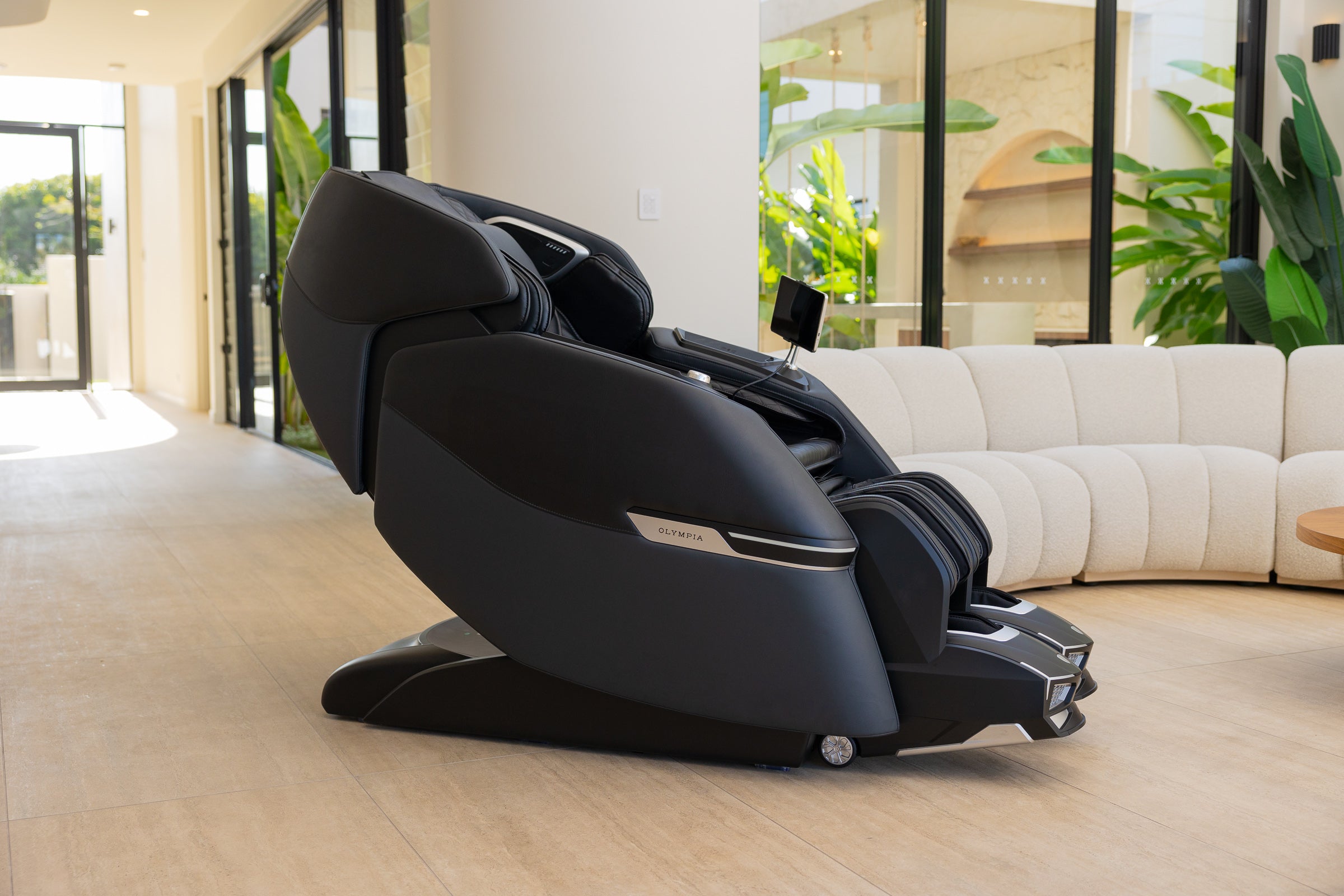
If you’re dealing with a herniated disc, you might be wondering if a massage chair could offer some relief. Well, you’re not alone! Many people with back problems are turning to these high-tech chairs for comfort and support. Let’s dive into the world of massage chairs and see how they might help with herniated discs.
Understanding Herniated Discs
Before we jump into massage chairs, let’s talk about what a herniated disc actually is. Think of your spine as a stack of cushions with jelly-filled centers. When one of these cushions gets damaged and the jelly squishes out, that’s a herniated disc. Ouch, right?
Symptoms of a Herniated Disc
Herniated discs can be a real pain in the… well, back. Here are some common symptoms:
- Back pain (sometimes severe)
- Numbness or tingling in arms or legs
- Weakness in muscles
- Pain that worsens with certain movements
How Massage Chairs Work
Now, let’s talk about massage chairs. These aren’t your grandma’s recliners! Modern massage chairs are like having a personal masseuse at your beck and call. They use various techniques to knead, roll, and tap your muscles into relaxation.
Key Features of Massage Chairs
- Rollers that move up and down the spine
- Air bags that compress limbs
- Heat therapy options
- Adjustable intensity levels
Benefits of Massage Chairs for Herniated Discs
So, can these fancy chairs actually help with herniated discs? In many cases, yes! Here’s how:
1. Pain Relief
Massage chairs can help reduce pain by promoting blood flow and releasing endorphins, your body’s natural painkillers. It’s like giving your back a big, comforting hug!
2. Muscle Relaxation
Tight muscles around a herniated disc can make things worse. Massage chairs help loosen up those tense muscles, potentially taking pressure off the affected area.
3. Improved Circulation
Better blood flow means more oxygen and nutrients to the injured area, which can speed up healing. Think of it as sending reinforcements to your body’s repair team.
4. Spinal Decompression
Some massage chairs offer stretching programs that can gently decompress your spine. This might help take pressure off the herniated disc, giving it room to heal.
Precautions When Using Massage Chairs for Herniated Discs
Hold your horses! Before you rush out to buy a massage chair, there are some important things to consider:
1. Consult Your Doctor
Always chat with your healthcare provider before trying a massage chair. They know your specific condition best and can give you the green light.
2. Start Slow
Don’t jump into an intense massage right away. Start with the gentlest setting and work your way up. Your back will thank you!
3. Listen to Your Body
If something hurts or feels uncomfortable, stop! Pain is your body’s way of saying, “Hey, knock it off!”
4. Avoid Direct Pressure
Make sure the massage rollers aren’t hitting directly on your herniated disc. That could make things worse instead of better.
Choosing the Right Massage Chair for Herniated Discs
Not all massage chairs are created equal, especially when it comes to helping with herniated discs. Here’s what to look for:
1. Adjustable Settings
You want a chair that lets you control the intensity and focus areas. This way, you can tailor the massage to your needs.
2. S-Track or L-Track Design
These track designs follow the natural curve of your spine, providing more precise and comfortable massage.
3. Zero Gravity Position
This feature reclines you to a position where your knees are slightly above your heart, taking pressure off your spine. It’s like floating in space, but way more comfortable!
4. Heat Therapy
Gentle heat can help soothe sore muscles and improve circulation. Look for chairs with lumbar heat options.
Alternative Therapies for Herniated Discs
While massage chairs can be helpful, they’re not the only option for managing herniated disc pain. Let’s look at some other therapies you might want to consider:
1. Physical Therapy
A physical therapist can teach you exercises to strengthen your back and core muscles, which can help support your spine.
2. Chiropractic Care
Some people find relief through chiropractic adjustments. Just make sure to see a chiropractor experienced in treating herniated discs.
3. Acupuncture
This ancient practice might help reduce pain and promote healing. It’s like giving your back a tiny tune-up!
4. Yoga and Stretching
Gentle yoga and stretching can improve flexibility and reduce pressure on your spine. Just be sure to avoid any poses that cause pain.
Lifestyle Changes to Support Herniated Disc Recovery
Using a massage chair is great, but combining it with healthy lifestyle changes can boost your recovery. Here are some tips:
1. Maintain Good Posture
Sit up straight and avoid slouching. Your spine will thank you!
2. Exercise Regularly
Low-impact exercises like swimming or walking can help strengthen your back without putting too much strain on it.
3. Watch Your Weight
Extra pounds can put more pressure on your spine. Maintaining a healthy weight can help reduce stress on your back.
4. Use Proper Lifting Techniques
Lift with your legs, not your back. And avoid twisting while lifting – that’s a recipe for back trouble!
When to Seek Medical Help
While massage chairs can be helpful, there are times when you need to put down the remote and pick up the phone to call your doctor. Here are some red flags:
- Severe or worsening pain
- Loss of bladder or bowel control
- Weakness or numbness in your legs
- Fever along with back pain
These symptoms could indicate a more serious problem, so don’t hesitate to get them checked out.
Conclusion
So, are massage chairs good for herniated discs? The answer is a cautious yes. They can provide relief and support healing for many people with herniated discs. However, they’re not a miracle cure, and they’re not right for everyone.
Remember, your back is unique, just like you! What works for one person might not work for another. Always listen to your body and work with your healthcare provider to find the best treatment plan for your herniated disc.
Whether you decide to try a massage chair or not, stay positive and patient. Healing takes time, but with the right approach, you can get back to feeling like yourself again. Here’s to happy, healthy backs!
Frequently Asked Questions
How often should I use a massage chair for my herniated disc?
Start with short sessions of 10-15 minutes, 2-3 times a week. If you tolerate this well, you can gradually increase the frequency and duration. Always listen to your body and stop if you feel any pain or discomfort.
Can a massage chair make my herniated disc worse?
If used incorrectly or too aggressively, a massage chair could potentially aggravate a herniated disc. That’s why it’s crucial to consult with your doctor first and start with gentle settings. If you experience increased pain, stop using the chair and consult your healthcare provider.
Are expensive massage chairs better for herniated discs?
Not necessarily. While higher-end chairs often have more features, what matters most is finding a chair with the right features for your condition. Look for adjustable settings, good lumbar support, and features like zero gravity positioning rather than just focusing on price.
Can I use a massage chair if I’ve had surgery for a herniated disc?
It depends on your individual case and how long ago you had surgery. Always consult with your surgeon or doctor before using a massage chair after back surgery. They may recommend waiting for a certain period or using only specific features of the chair.
Are there any alternatives to massage chairs for home treatment of herniated discs?
Yes, there are several alternatives you can try at home. These include using a foam roller, doing gentle stretches, applying heat or ice packs, and using a TENS unit. However, like with massage chairs, it’s important to get guidance from your healthcare provider before starting any home treatment.