
Where Are Panasonic Massage Chairs Made
Panasonic massage chairs are primarily made in Japan and China. The company’s high-end models are manufactured in Japan, while more affordable options are produced in China.
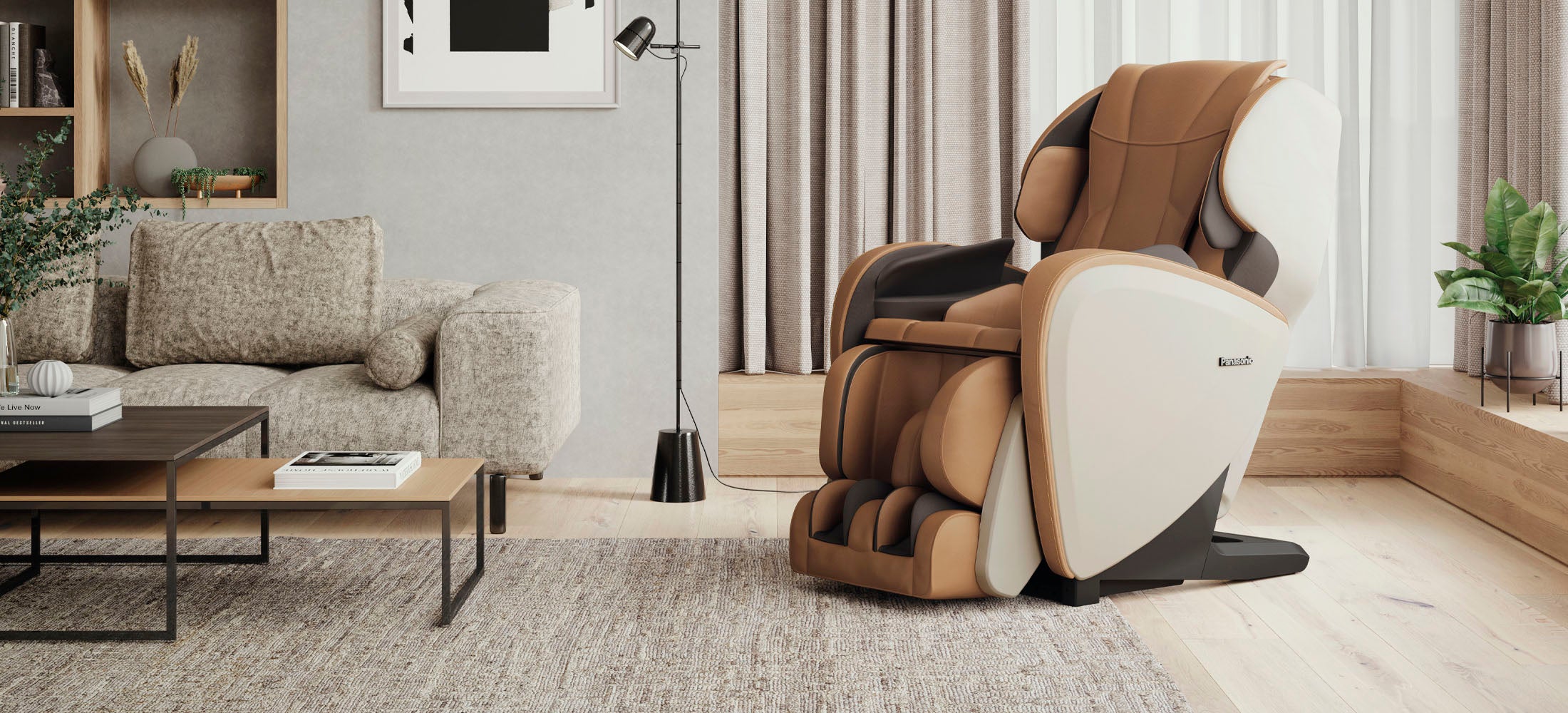
When it comes to massage chairs, Panasonic is a name that often comes up in conversations. But have you ever wondered where these fantastic pieces of relaxation technology come from? Well, you’re in for a treat because we’re about to dive into the world of Panasonic massage chairs and uncover their origins.
The Origins of Panasonic Massage Chairs
Panasonic, a Japanese multinational electronics corporation, has been a pioneer in the massage chair industry for decades. Their journey in creating these comfort-inducing marvels began in Japan, the land of technological innovations and wellness traditions.
A Brief History of Panasonic
Before we delve into the specifics of their massage chairs, let’s take a quick trip down memory lane. Panasonic was founded in 1918 by Konosuke Matsushita. Initially, the company focused on manufacturing lamp sockets, but it quickly expanded its product range. Today, Panasonic is known for a wide array of electronic products, including our star of the show – massage chairs!
Made in Japan: The Heart of Panasonic’s High-End Models
When we talk about where Panasonic massage chairs are made, Japan takes center stage. The country is home to Panasonic’s premium massage chair production.
Why Japan?
You might be wondering, “Why Japan?” Well, there are several reasons:
- Technological expertise
- Attention to detail
- Commitment to quality
- Rich history in massage and wellness
These factors combine to make Japan the perfect place for crafting high-end massage chairs that offer unparalleled relaxation experiences.
Japanese Craftsmanship in Massage Chairs
Japanese craftsmanship is renowned worldwide, and it shines through in Panasonic’s top-tier massage chairs. The precision, care, and expertise that go into making these chairs are truly impressive. It’s like having a skilled masseuse right in your living room!
Made in China: Expanding Production for Affordability
While Japan is the birthplace of Panasonic’s premium models, China plays a crucial role in the company’s massage chair production as well. Many of Panasonic’s more affordable models are manufactured in China.
The China Connection
You might be thinking, “Why China?” Well, here’s the scoop:
- Cost-effective production
- Large-scale manufacturing capabilities
- Skilled workforce
- Proximity to raw materials
These factors allow Panasonic to produce quality massage chairs at more accessible price points, bringing relaxation to a wider audience.
Quality Control in Chinese Production
Now, I know what you’re thinking. “But what about quality?” Rest assured, Panasonic maintains strict quality control measures in its Chinese production facilities. The company ensures that all massage chairs, regardless of where they’re made, meet its high standards.
The Best of Both Worlds
By leveraging production in both Japan and China, Panasonic offers a range of massage chairs to suit different needs and budgets. It’s like having your cake and eating it too!
Japanese Innovation, Chinese Scale
This dual-production strategy allows Panasonic to combine Japanese innovation with Chinese manufacturing scale. The result? A diverse lineup of massage chairs that cater to various preferences and price points.
Understanding Panasonic’s Massage Chair Models
Now that we know where Panasonic massage chairs are made let’s take a closer look at some of their popular models and their origins.
High-End Models: Made in Japan
Panasonic’s top-of-the-line massage chairs are proudly made in Japan. These include:
- MAJ7
- EP-MA73
- EP-MA70
These models are the crème de la crème of massage chairs, offering advanced features and superior craftsmanship.
Mid-Range and Entry-Level Models: Made in China
For those looking for more budget-friendly options, Panasonic offers several models made in China, such as:
- EP-MA10
- EP-MА20
- EP-MC30
These chairs provide excellent value for money, bringing Panasonic’s massage technology to a broader audience.
The Impact of Manufacturing Location on Price
You might be wondering how the manufacturing location affects the price of Panasonic massage chairs. Let’s break it down.
Japanese-Made Models: Premium Pricing
As you might expect, Panasonic’s Japanese-made models come with a higher price tag. This is due to several factors:
- Higher labor costs in Japan
- More advanced features
- Premium materials
- Smaller production scale
These chairs are an investment in luxury and cutting-edge technology.
Chinese-Made Models: More Affordable Options
On the flip side, Panasonic’s Chinese-made models are more wallet-friendly. This is because:
- Lower production costs in China
- Larger scale manufacturing
- Simplified designs (but still effective!)
These chairs offer a great entry point into the world of Panasonic massage chairs without breaking the bank.
Quality Assurance Across All Production Sites
Now, you might be thinking, “Does the manufacturing location affect quality?” That’s a great question!
Panasonic’s Commitment to Quality
Panasonic takes quality seriously, regardless of where their massage chairs are made. The company implements strict quality control measures across all its production sites.
Quality Control in Japan
In Japan, Panasonic’s long-standing tradition of excellence ensures that every high-end massage chair meets the highest standards. It’s like having a team of perfectionists working on your chair!
Quality Control in China
For Chinese production, Panasonic has implemented rigorous quality assurance processes. They’ve essentially brought their Japanese quality standards to their Chinese facilities.
The Technology Behind Panasonic Massage Chairs
Regardless of where they’re made, all Panasonic massage chairs benefit from the company’s advanced technology. Let’s take a peek under the hood, shall we?
Key Technologies in Panasonic Massage Chairs
Some of the standout technologies you’ll find in Panasonic massage chairs include:
- 3D and 4D massage mechanisms
- Body scanning technology
- Heat therapy
- Air compression massage
- Zero gravity positioning
These features work together to provide a massage experience that’s almost like having a personal masseuse at your beck and call!
Panasonic’s Global Reach
While Panasonic massage chairs are made in Japan and China, they’re enjoyed by people all around the world. Let’s take a quick tour, shall we?
Panasonic Massage Chairs in Different Countries
Panasonic has successfully introduced its massage chairs to various markets, including:
- United States
- Canada
- Europe
- Australia
- Southeast Asia
Each market might have slight variations in available models, but the core Panasonic quality remains consistent.
The Future of Panasonic Massage Chair Production
As we look to the future, what can we expect from Panasonic’s massage chair production? Let’s gaze into our crystal ball (which is surprisingly relaxing, by the way).
Potential Expansion of Production Sites
While Japan and China are currently the primary production locations, Panasonic might consider expanding to other countries in the future. This could potentially lead to:
- More diverse product offerings
- Localized designs for specific markets
- Potentially lower prices due to reduced shipping costs
Advancements in Manufacturing Technology
As manufacturing technology evolves, we can expect Panasonic to stay at the forefront. This could mean:
- More efficient production processes
- Even higher quality standards
- Incorporation of new materials and technologies
Choosing the Right Panasonic Massage Chair for You
Now that you know where Panasonic massage chairs are made, how do you choose the right one for you? Here are some factors to consider:
Budget Considerations
Your budget will likely play a significant role in your decision. Remember:
- Japanese-made models are typically more expensive
- Chinese-made models offer great value for money
Feature Requirements
Think about what features are most important to you. Do you need:
- Full-body massage capabilities?
- Heat therapy?
- Zero gravity positioning?
- Advanced body scanning technology?
Space Availability
Consider where you’ll put your massage chair. Some models are quite large, so make sure you have enough space!
Maintenance and Longevity
Regardless of where your Panasonic massage chair is made, proper maintenance is key to ensuring its longevity. Here are some tips:
Regular Cleaning
Keep your massage chair clean by:
- Wiping it down regularly with a soft, damp cloth
- Using mild soap for tougher stains
- Avoiding harsh chemicals that could damage the upholstery
Professional Servicing
Consider having your massage chair professionally serviced every few years to keep it in top condition. It’s like a spa day for your spa chair!
Conclusion
So, there you have it! Panasonic massage chairs are primarily made in Japan and China, with each location playing a crucial role in the company’s product lineup. From the high-end, Japanese-crafted models to the more affordable Chinese-made options, Panasonic offers a range of choices to suit different needs and budgets.
Remember, regardless of where they’re made, all Panasonic massage chairs benefit from the company’s commitment to quality and innovation. So whether you’re splurging on a premium Japanese model or opting for a budget-friendly Chinese-made chair, you can rest assured (quite literally!) that you’re getting a quality product.
Now, why don’t you take all this newfound knowledge and treat yourself to a nice, relaxing massage? Your body will thank you!
What are the main differences between Panasonic’s Japanese-made and Chinese-made massage chairs?
The main differences lie in price point and feature complexity. Japanese-made models are typically high-end, with more advanced features and premium materials, resulting in a higher price. Chinese-made models are more affordable, with simplified designs but still maintaining Panasonic’s quality standards. Both undergo strict quality control, but Japanese models often incorporate the latest innovations first.
Does the manufacturing location affect the quality of Panasonic massage chairs?
While there might be differences in features and materials, Panasonic maintains high-quality standards across all production sites. The company implements strict quality control measures in both Japan and China. Japanese-made models might have a slight edge in craftsmanship due to the country’s long-standing expertise, but Chinese-made models still offer excellent quality, especially considering their more affordable price points.
Are Panasonic massage chairs made in any countries other than Japan and China?
As of now, Panasonic primarily manufactures its massage chairs in Japan and China. While the company has production facilities in other countries for various products, massage chairs are currently not among them. However, this could change in the future as Panasonic continually evaluates its production strategies to meet global demand efficiently.
How often should I service my Panasonic massage chair?
For optimal performance, it’s recommended to have your Panasonic massage chair professionally serviced every 2-3 years. However, this can vary depending on usage frequency and conditions. Regular cleaning and following the manufacturer’s maintenance guidelines can help extend the time between professional services. If you notice any unusual noises or decreased performance, it’s best to have it checked sooner.
Can I find out where a specific Panasonic massage chair model is made?
Yes, you can usually find information about a specific model’s origin on Panasonic’s official website or product documentation. Generally, high-end models like the MAJ7 and EP-MA73 are made in Japan, while more affordable options like the EP-MA10 and EP-MA20 are made in China. If you’re unsure, don’t hesitate to ask a Panasonic representative or authorized dealer for clarification about a particular model’s manufacturing location.