
Can Massage Chairs Bruise Your Back
Massage chairs can potentially cause bruising on your back, especially if used improperly or excessively. However, when used correctly and in moderation, most high-quality massage chairs are designed to provide therapeutic benefits without causing harm.
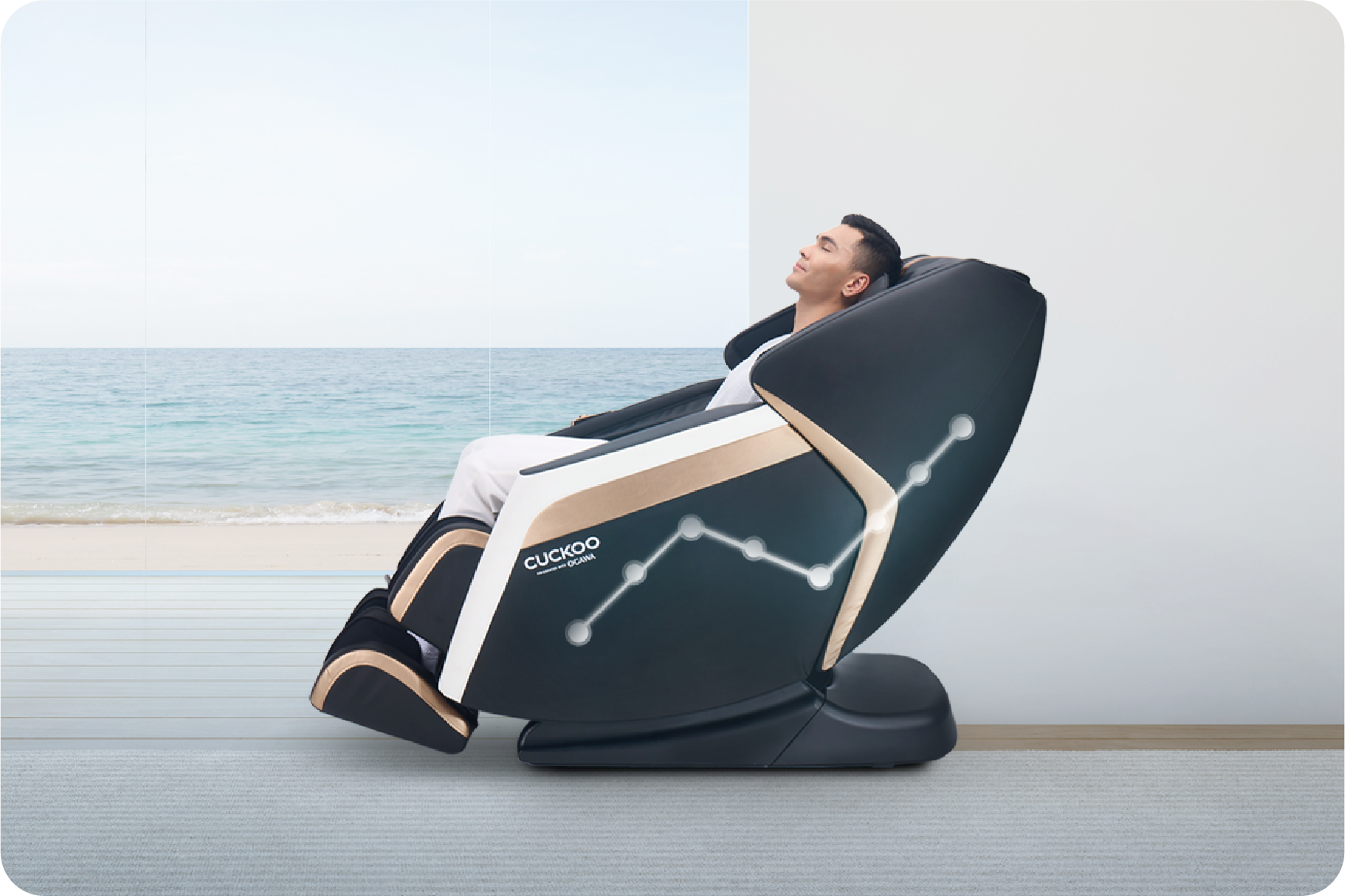
Understanding the Potential for Bruising from Massage Chairs
As someone who’s spent years testing and reviewing massage chairs, I’ve often been asked, “Can massage chairs bruise your back?” It’s a valid concern, and the answer isn’t as straightforward as you might think. Let’s dive into this topic and explore the factors that can contribute to bruising, as well as how to enjoy the benefits of a massage chair safely.
The Mechanics of Massage Chairs
Before we address the bruising issue, it’s important to understand how massage chairs work. These high-tech recliners use various mechanisms to mimic the hands of a massage therapist. They typically employ rollers, airbags, and sometimes vibration to knead, press, and manipulate your muscles and soft tissues.
Roller Systems
Most massage chairs use a roller system that moves up and down your back, applying pressure to simulate a massage. These rollers can be made of different materials and come in various shapes and sizes.
Airbag Technology
Airbags inflate and deflate to squeeze and release different parts of your body, providing a compression massage effect.
Why Bruising Might Occur
Now, let’s get to the heart of the matter. Can these mechanisms actually cause bruising? The short answer is yes, but it’s not common when chairs are used properly. Here are some reasons why bruising might occur:
- Excessive pressure: If the massage intensity is set too high for your body type or sensitivity level, it could lead to bruising.
- Prolonged use: Using the chair for extended periods without breaks can increase the risk of bruising.
- Pre-existing conditions: If you have thin skin, take blood thinners, or bruise easily, you might be more susceptible to bruising from a massage chair.
- Improper use: Using the chair in a way it’s not designed for, like sitting incorrectly or forcing your body into unnatural positions, can cause injury.
Factors That Influence the Risk of Bruising
Let’s break down the factors that play a role in whether a massage chair might leave you with a few unwanted marks.
Quality of the Massage Chair
Not all massage chairs are created equal. High-quality chairs often have more sophisticated systems that can adjust to your body shape and size, reducing the risk of applying too much pressure in the wrong places.
User Settings and Customization
Many modern massage chairs come with a range of settings that allow you to customize your experience. It’s crucial to start with gentler settings and gradually increase intensity as you become more comfortable.
Individual Physical Characteristics
Your body type, muscle density, and skin sensitivity all play a role in how your body reacts to a massage chair. What feels great for one person might be too intense for another.
How to Prevent Bruising When Using a Massage Chair
I’ve learned a thing or two about using massage chairs safely over the years. Here are some tips to help you avoid bruising:
Start Slow and Gentle
When you first get a massage chair, or if you’re using a new one, always start with the lowest intensity setting. You can always increase it later if you feel you need more pressure.
Listen to Your Body
If something feels uncomfortable or painful, stop immediately. A massage should feel good, not leave you wincing in pain.
Limit Your Sessions
It’s tempting to spend hours in a massage chair, especially if you’re dealing with chronic pain. But limit your sessions to 15-20 minutes at a time, especially when you’re just starting out.
Stay Hydrated
Drinking plenty of water before and after your massage can help flush out toxins and reduce the risk of bruising.
Signs That Your Massage Chair Might Be Causing Harm
How do you know if your massage chair is doing more harm than good? Here are some red flags to watch out for:
- Persistent pain that lasts long after your massage session
- Visible bruising or discoloration on your skin
- Numbness or tingling that doesn’t subside quickly
- Swelling in the areas where the massage was focused
If you experience any of these symptoms, it’s best to stop using the chair and consult with a healthcare professional.
The Benefits of Massage Chairs When Used Correctly
Now, don’t let all this talk of potential bruising scare you off. When used correctly, massage chairs can offer a wealth of benefits:
Stress Relief
A good massage can help melt away the stress of a long day, leaving you feeling relaxed and rejuvenated.
Pain Management
For many people, regular use of a massage chair can help alleviate chronic back pain, neck tension, and other muscular discomforts.
Improved Circulation
The kneading and pressing actions of a massage chair can help boost blood flow throughout your body.
Better Sleep
Many users report improved sleep quality after incorporating regular massage chair sessions into their routine.
Choosing the Right Massage Chair to Minimize Risk
If you’re in the market for a massage chair and want to ensure you’re getting one that’s less likely to cause bruising, here are some features to look for:
Body Scanning Technology
Some high-end chairs use sensors to map your body shape and adjust the massage accordingly.
Adjustable Intensity Levels
Look for a chair with a wide range of intensity settings so you can find your sweet spot.
User Reviews and Recommendations
Do your research and read reviews from other users. Look for comments about comfort and any mentions of bruising or discomfort.
Maintenance and Care of Your Massage Chair
Proper maintenance of your massage chair can help ensure it continues to operate safely and effectively:
Regular Cleaning
Keep your chair clean to prevent the buildup of dirt and bacteria that could irritate your skin.
Professional Servicing
Have your chair serviced regularly to ensure all components are working correctly and not applying uneven pressure.
Alternative Options for Those Concerned About Bruising
If you’re still worried about the potential for bruising, there are other options to consider:
Gentler Massage Techniques
Look for chairs that offer Swedish or gentle stretching programs rather than deep tissue options.
Massage Cushions
These portable devices offer a gentler massage experience and can be used on various surfaces.
When to Consult a Professional
While massage chairs can be great for everyday relaxation and minor aches, they’re not a substitute for professional medical care. If you have chronic pain, injuries, or medical conditions, it’s always best to consult with a healthcare provider before starting any new massage regimen.
Conclusion
So, can massage chairs bruise your back? The answer is yes, they can, but it’s not a common occurrence when used properly. By choosing a high-quality chair, starting with gentle settings, and listening to your body, you can enjoy all the benefits of a massage chair with minimal risk. Remember, the goal is to feel better, not worse, after your massage session. If you’re ever in doubt, err on the side of caution and consult with a professional. Happy massaging!
Can massage chairs cause permanent damage to your back?
While it’s highly unlikely for massage chairs to cause permanent damage when used correctly, improper use or overuse could potentially lead to muscle strains or exacerbate existing conditions. Always follow the manufacturer’s guidelines and listen to your body to avoid any long-term issues.
How often should I use a massage chair to avoid bruising?
For most people, using a massage chair for 15-20 minutes, 3-4 times a week is safe and beneficial. However, it’s important to start slowly and gradually increase frequency and duration as your body adjusts. If you notice any discomfort or bruising, reduce the frequency or intensity of your sessions.
Are there certain medical conditions that increase the risk of bruising from massage chairs?
Yes, certain conditions can increase your risk of bruising, including blood disorders, use of blood thinners, certain autoimmune diseases, and conditions that cause easy bruising. If you have any medical concerns, it’s best to consult with your doctor before using a massage chair regularly.
Can children safely use massage chairs without risking bruises?
Most massage chairs are designed for adult use and may not be suitable for children. The intense pressure could be too much for a child’s developing body. If you’re considering letting a child use a massage chair, consult with a pediatrician first and always supervise their use, starting with the gentlest settings.
What’s the difference between good pain and bad pain during a massage chair session?
Good pain during a massage often feels like a satisfying stretch or release of tension. It should be tolerable and even pleasant. Bad pain feels sharp, intense, or causes you to tense up. If you experience any pain that makes you want to stop the massage or leaves you feeling worse afterward, that’s a sign to reduce the intensity or consult a professional.