
How to Use Massage Chair
Massage chairs are designed to provide relaxation and relief from muscle tension. To use a massage chair effectively, start by adjusting the settings to your preferences, sit back comfortably, and allow the chair to work on your body for 15-30 minutes.
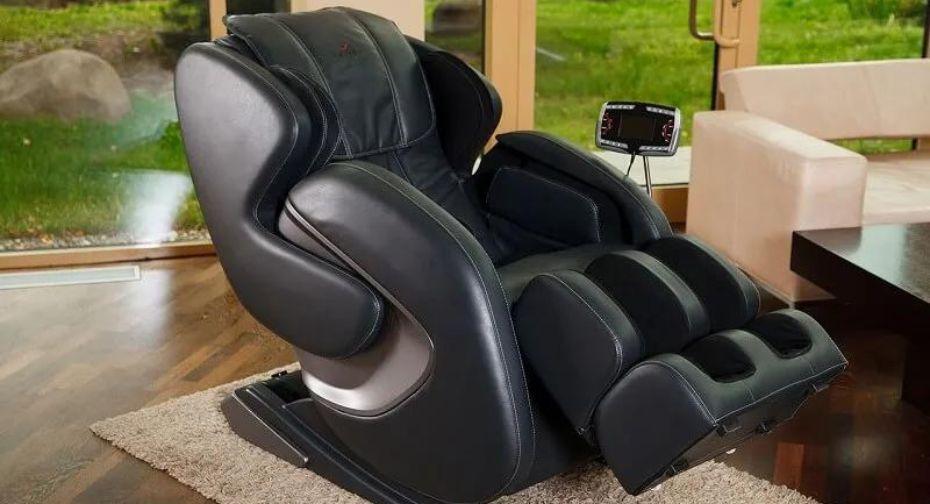
Hey there! Are you feeling a bit tense and in need of some relaxation? Well, you’re in luck because today we’re going to talk about how to use a massage chair. Trust me, once you get the hang of it, you’ll wonder how you ever lived without one!
Getting Started with Your Massage Chair
First things first, let’s get you settled into that chair. It might look a bit intimidating with all those buttons and settings, but don’t worry – we’ll break it down step by step.
Positioning Yourself Correctly
Before you even turn on the chair, make sure you’re sitting in it properly. Scoot your bottom all the way back and rest your head against the headrest. Your feet should reach the footrest comfortably. If they don’t, many chairs have adjustable leg rests, so play around with that until you’re cozy.
Adjusting the Settings
Now, let’s talk about those controls. Most massage chairs come with a remote or a control panel on the armrest. Take a moment to familiarize yourself with the options. You’ll usually find settings for:
- Massage type (kneading, tapping, rolling, etc.)
- Intensity level
- Focus areas (back, shoulders, legs)
- Heat function
Start with a gentler setting and work your way up. Remember, it’s not a competition – the goal is to feel good, not to see how much pressure you can handle!
Understanding Different Massage Techniques
Massage chairs often come with various techniques that mimic human massage styles. Let’s break down some common ones:
Kneading
This feels like someone’s using their thumbs to work out knots in your muscles. It’s great for relieving tension and improving circulation.
Tapping
Imagine gentle karate chops along your back. This can help stimulate muscles and nerves, leaving you feeling invigorated.
Rolling
This technique uses rollers that move up and down your back, kind of like a rolling pin smoothing out dough – except the dough is your muscles!
Shiatsu
Based on a Japanese massage technique, this involves pressure applied to specific points on your body. It’s fantastic for targeting problem areas.
Customizing Your Massage Experience
Now that you know the basics, it’s time to make that massage chair work for you. Everyone’s body is different, so what works for your friend might not be perfect for you.
Finding Your Sweet Spots
Most chairs allow you to adjust where the massage focuses. Got a knot in your lower back? Direct the rollers there. Shoulders tense from hunching over a computer? Concentrate on that area. Don’t be afraid to experiment until you find what feels best.
Playing with Intensity
Remember, stronger isn’t always better. Start low and gradually increase the intensity. If you’re wincing or tensing up, that’s a sign to dial it back a notch. The massage should feel good, not like you’re being pummeled by a professional wrestler!
Incorporating Heat Therapy
Many massage chairs come with a heat function, and let me tell you, it’s a game-changer. Heat can help loosen up tight muscles, making the massage more effective.
When to Use Heat
Heat is particularly helpful if you’re dealing with chronic pain or stiffness. It’s also great for those chilly days when you want to warm up while relaxing. Just be careful not to fall asleep with the heat on high – you don’t want to wake up feeling like a roasted chicken!
Timing Your Massage Sessions
You might be tempted to spend hours in your new massage chair, but moderation is key. Here’s how to time it right:
Optimal Session Length
Aim for 15-30 minutes per session. This is usually enough time to get the benefits without overdoing it. Think of it like eating chocolate – a little bit is heavenly, but too much might make you feel sick.
Frequency of Use
For general wellness, using your chair 3-4 times a week is a good target. If you’re dealing with specific issues, you might use it more often, but always listen to your body. If you start feeling sore or bruised, take a break.
Staying Hydrated
This might sound odd, but drinking water before and after your massage session is important. Massage can release toxins from your muscles, and staying hydrated helps flush these out of your system.
Dressing for Success
No, I’m not talking about putting on a suit to sit in your massage chair! But what you wear can affect your experience.
Comfortable Clothing
Opt for loose, comfortable clothing. Tight jeans or stiff fabrics can interfere with the massage and make it less enjoyable. Think sweatpants, yoga pants, or even your favorite pajamas!
Using Your Massage Chair for Specific Issues
While massage chairs are great for general relaxation, they can also help with specific problems. Let’s look at a few common issues:
Back Pain
If you’re dealing with back pain, focus on the rolling and kneading functions. Start with a gentler setting and gradually increase as your muscles relax. The heat function can be particularly helpful here.
Neck and Shoulder Tension
For those of us who spend hours hunched over a desk, neck and shoulder tension is a real pain (literally!). Use the chair’s shoulder massage feature, and don’t forget to adjust the headrest to hit the right spots.
Leg Fatigue
If you’re on your feet all day, the leg massage function can be a lifesaver. It can help improve circulation and reduce swelling. Just remember to elevate your legs slightly for the best results.
Combining Massage with Other Relaxation Techniques
Your massage chair can be part of a larger relaxation routine. Here are some ideas to enhance your experience:
Aromatherapy
Try using a diffuser with calming essential oils like lavender or eucalyptus while you’re in the chair. It’s like turning your living room into a spa!
Meditation
Use your massage time as an opportunity to practice mindfulness. Focus on your breathing and let your thoughts drift away. It’s a great way to de-stress both body and mind.
Maintaining Your Massage Chair
To keep your chair in tip-top shape (and hygienic), a little maintenance goes a long way.
Regular Cleaning
Wipe down the chair with a slightly damp cloth after each use, especially if you tend to get sweaty. For deeper cleaning, follow the manufacturer’s instructions – usually, this involves using a mild soap solution.
Checking for Wear and Tear
Periodically inspect your chair for any signs of damage. Loose screws, worn upholstery, or strange noises during operation are all signs that your chair might need some TLC or professional servicing.
When Not to Use Your Massage Chair
As wonderful as massage chairs are, there are times when it’s best to avoid them:
- If you have open wounds or skin infections
- During pregnancy (unless you have a chair specifically designed for prenatal use)
- If you have certain medical conditions like severe osteoporosis or blood clotting disorders
When in doubt, check with your doctor, especially if you have any ongoing health concerns.
Conclusion
And there you have it – your guide to getting the most out of your massage chair! Remember, the key is to listen to your body and adjust accordingly. Start slowly, experiment with different settings, and soon you’ll be a massage chair pro. Whether you’re using it to unwind after a long day, soothe sore muscles, or just because it feels amazing, your massage chair can be a fantastic tool for relaxation and self-care. So go ahead, take a seat, and let those worries melt away. Your body (and mind) will thank you!
Frequently Asked Questions
How often should I use my massage chair?
For general wellness, using your massage chair 3-4 times a week for 15-30 minutes per session is a good rule of thumb. However, listen to your body – if you’re feeling sore or bruised, take a break.
Can I fall asleep in my massage chair?
While it’s generally safe to doze off in your massage chair, it’s not recommended for extended periods. Most chairs have auto-shutoff features, but sleeping in an upright position for too long can lead to stiffness.
Is it normal to feel sore after using a massage chair?
A little soreness, similar to what you might feel after a workout, is normal, especially if you’re not used to massages. However, if you’re experiencing pain or significant discomfort, reduce the intensity or frequency of your sessions.
Can children use massage chairs?
Most massage chairs are designed for adults. Children’s bodies are still developing, and the intensity of a massage chair might be too much for them. It’s best to consult with a pediatrician before allowing a child to use a massage chair.
Do I need to do anything special before using my massage chair?
Not really! Just make sure you’re comfortable and hydrated. It’s a good idea to start with a lower intensity setting and work your way up. Also, if you’ve just eaten a big meal, wait a bit before using the chair to avoid discomfort.