
Can Massage Chairs Help Sciatica
Massage chairs can help alleviate sciatica pain by targeting key pressure points, improving circulation, and reducing muscle tension. While not a cure, regular use may provide significant relief and complement other treatments for sciatica.
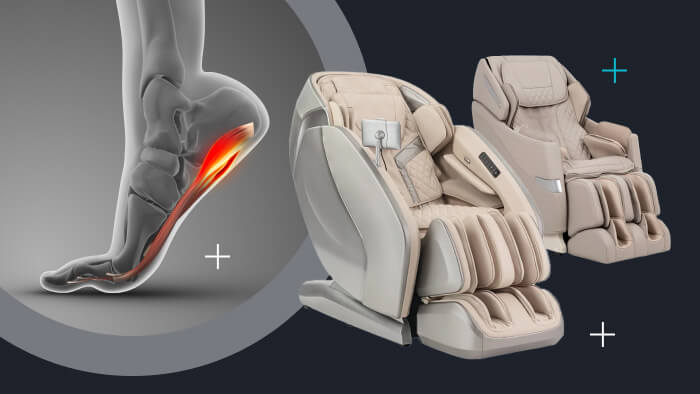
Living with sciatica can be a real pain in the… well, you know where. If you’re one of the millions dealing with this nagging condition, you’ve probably tried everything from stretches to medications. But have you considered a massage chair? Let’s dive into how these high-tech recliners might just be the comfort you’ve been searching for.
Understanding Sciatica: More Than Just a Pain in the Back
Before we get into the nitty-gritty of massage chairs, let’s talk about sciatica. It’s not just your run-of-the-mill back pain. Sciatica is like that annoying friend who overstays their welcome, sending sharp pains from your lower back down to your legs. It’s caused by pressure on the sciatic nerve, which runs from your lower spine all the way down to your feet.
The Sciatic Nerve: Your Body’s Superhighway
Think of the sciatic nerve as a busy highway. When there’s a traffic jam (or in this case, pressure), everything slows down. This pressure can come from various sources like herniated discs, bone spurs, or even pregnancy. The result? Pain, numbness, and sometimes a tingling sensation that can make you want to crawl out of your skin.
How Massage Chairs Work Their Magic
Now, let’s talk about massage chairs. These aren’t your grandpa’s old recliners. Modern massage chairs are like having a personal masseuse on call 24/7. But how exactly can they help with sciatica?
Targeting Pressure Points
Massage chairs are designed to hit all the right spots. They use rollers and airbags to apply pressure to specific areas of your body. For sciatica, this means targeting the lower back, glutes, and legs – all the areas where that pesky sciatic nerve runs through.
Improving Blood Circulation
Good blood flow is crucial for healing. Massage chairs help boost circulation, which can reduce inflammation around the sciatic nerve. It’s like giving your body’s repair system a little extra oomph.
Muscle Relaxation
Tense muscles can put extra pressure on the sciatic nerve. Massage chairs work to loosen up those tight spots, potentially taking some of the load off the nerve.
The Science Behind Massage and Sciatica Relief
You might be thinking, “This sounds great, but where’s the proof?” Fair question. Let’s look at what the experts say.
Research Findings
Studies have shown that massage therapy can be effective in managing sciatica pain. While most research focuses on human-delivered massage, the principles apply to massage chairs as well. A 2014 study published in the Scientific World Journal found that massage therapy helped reduce pain and improve function in people with sciatica.
How Massage Affects Pain Perception
Massage doesn’t just feel good; it can actually change how your brain processes pain signals. It’s like turning down the volume on your pain receptors. This can lead to both immediate relief and long-term management of sciatica symptoms.
Choosing the Right Massage Chair for Sciatica
Not all massage chairs are created equal, especially when it comes to tackling sciatica. Here’s what to look for:
Key Features to Consider
- S-track or L-track design for full spine coverage
- 3D or 4D rollers for deeper massage
- Zero-gravity positioning to take pressure off your spine
- Heat therapy options for additional pain relief
- Adjustable intensity levels to suit your comfort
Size and Fit Matter
Make sure the chair fits your body type. A chair that’s too big or small won’t hit the right spots and could even make things worse. Many brands offer different sizes, so do your homework.
Using a Massage Chair Effectively for Sciatica
Having a great massage chair is one thing, but using it correctly is another. Here’s how to get the most out of your sessions:
Frequency and Duration
Start with short sessions of about 15 minutes and gradually increase to 30 minutes. Aim for 3-4 times a week, but listen to your body. If it feels good, you can do it daily.
Best Massage Techniques for Sciatica
Look for programs that focus on the lower back, glutes, and legs. Kneading and rolling techniques are often most effective for sciatica. Don’t shy away from deep tissue options if you can handle them.
Complementary Treatments for Sciatica
While massage chairs can be a game-changer, they work best as part of a broader treatment plan. Here are some other strategies to consider:
Stretching Exercises
Gentle stretches can help loosen tight muscles and improve flexibility. Try the piriformis stretch or knee-to-chest exercises. Just remember, easy does it – no need to turn into a pretzel.
Heat and Cold Therapy
Alternating between heat and cold can provide relief. Use heat before your massage session to loosen muscles, and cold afterward to reduce inflammation.
Proper Posture and Ergonomics
Pay attention to how you sit and stand. Good posture can prevent additional pressure on your sciatic nerve. Consider a standing desk or an ergonomic chair for work.
Potential Risks and Precautions
As amazing as massage chairs can be, they’re not for everyone. Let’s talk about when to be cautious:
When to Avoid Massage Chairs
- If you have severe or worsening pain
- If you’ve recently had surgery
- If you have blood clots or circulatory issues
- During pregnancy (unless cleared by your doctor)
Consulting with Healthcare Professionals
Always chat with your doctor before starting any new treatment, including massage chair therapy. They can give you personalized advice based on your specific condition.
Real-Life Success Stories
Don’t just take my word for it. Let’s hear from some folks who’ve found relief with massage chairs:
Sarah’s Journey to Pain-Free Living
Sarah, a 45-year-old office worker, had been struggling with sciatica for years. After investing in a massage chair, she noticed a significant reduction in her pain within just a few weeks. “It’s like having a personal masseuse at home,” she says. “I use it every evening after work, and it’s made a world of difference.”
Tom’s Athletic Comeback
Tom, a former athlete in his 50s, thought his running days were over due to sciatica. After incorporating regular massage chair sessions into his routine, he’s back to jogging three times a week. “The chair helps loosen everything up before I hit the pavement,” Tom explains. “It’s been a game-changer for my mobility.”
The Future of Massage Chair Technology
The world of massage chairs is always evolving. Here’s what’s on the horizon:
AI-Powered Customization
Imagine a chair that learns your body’s needs and adjusts automatically. That’s where we’re heading with AI integration in massage chairs.
Virtual Reality Integration
Some companies are experimenting with VR headsets to create immersive relaxation experiences during massage sessions. Picture getting a massage while virtually lounging on a beach. Sounds pretty great, right?
Cost Considerations and Investment
Let’s talk money. Massage chairs aren’t cheap, but they can be a smart investment for long-term pain management.
Price Range and Features
You can find basic models starting around $500, but high-end chairs with all the bells and whistles can run up to $10,000 or more. Mid-range options ($2,000-$5,000) often offer the best balance of features and affordability for most people.
Long-Term Cost Benefits
Think about the cost of regular massage therapy or chiropractor visits. A massage chair could pay for itself over time, not to mention the convenience of having treatment available whenever you need it.
Maintaining Your Massage Chair
To keep your chair in tip-top shape and extend its lifespan, a little TLC goes a long way.
Regular Cleaning
Wipe down the chair after each use, especially if you’ve been sweating. Use a mild cleaner and soft cloth to avoid damaging the upholstery.
Professional Servicing
Consider having your chair professionally serviced once a year, especially if it’s a high-end model. This can catch any potential issues before they become big problems.
Conclusion
Massage chairs aren’t a magic cure for sciatica, but they can be a powerful tool in your pain management arsenal. By providing targeted pressure, improving circulation, and helping you relax, these high-tech recliners offer a convenient and effective way to manage sciatic pain. Remember, consistency is key, and it’s always best to use massage chairs as part of a comprehensive treatment plan that includes exercise, proper posture, and professional medical advice. So, why not give it a try? Your sciatic nerve might just thank you for it.
Can massage chairs completely cure sciatica?
Massage chairs can’t cure sciatica, but they can significantly help manage the symptoms. They’re best used as part of a comprehensive treatment plan that may include exercise, physical therapy, and medication as prescribed by your doctor.
How often should I use a massage chair for sciatica relief?
Start with 15-30 minute sessions, 3-4 times a week. You can increase frequency if you find it helpful, even using it daily. Always listen to your body and adjust usage based on how you feel.
Are there any risks in using massage chairs for sciatica?
While generally safe, massage chairs may not be suitable for everyone. Avoid using them if you have severe pain, recent injuries, blood clots, or during pregnancy without doctor approval. Always consult your healthcare provider before starting any new treatment.
How long does it take to see results from using a massage chair for sciatica?
Results can vary, but many people report feeling some relief after the first few sessions. For more significant, lasting benefits, consistent use over several weeks is typically recommended.
Can I use a massage chair if I have a herniated disc causing my sciatica?
It depends on the severity of your condition. In some cases, gentle massage can help, but in others, it might exacerbate the problem. Always consult with your doctor or physical therapist before using a massage chair if you have a diagnosed herniated disc.