
Why Do Massage Chairs Stop Working
Massage chairs typically stop working due to electrical issues, mechanical failures, or normal wear and tear over time. Common causes include power supply problems, worn-out motors, damaged control panels, or broken massage rollers and airbags.
To troubleshoot a non-functioning massage chair, check the power source, inspect visible components, and consult the user manual for specific diagnostic steps. If the issue persists, contact the manufacturer or a professional repair service for assistance.
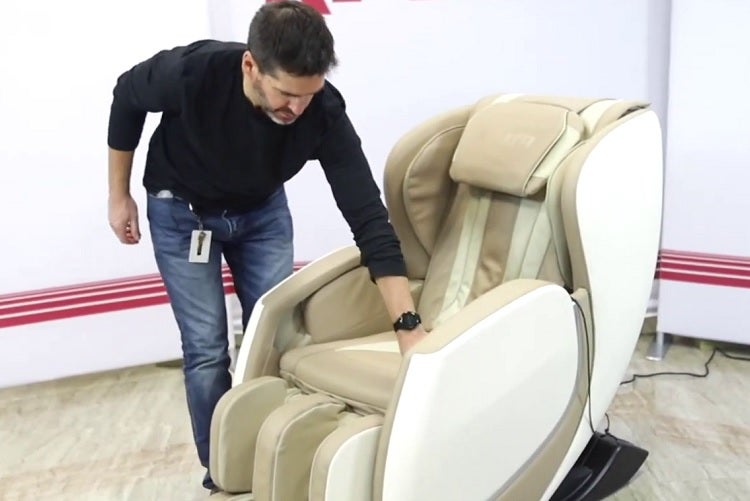
Have you ever settled into your favorite massage chair, ready for a relaxing session, only to find it won’t turn on or suddenly stops mid-massage? It’s frustrating, isn’t it? As someone who’s spent years working with and reviewing massage chairs, I’ve seen this happen more times than I can count. But don’t worry – I’m here to help you understand why massage chairs stop working and what you can do about it.
Massage chairs are complex machines with many moving parts and electronic components. Like any device we use regularly, they’re subject to wear and tear, electrical issues, and mechanical failures. Understanding these potential problems can help you maintain your chair better and troubleshoot issues when they arise.
Electrical Issues: The Silent Culprits
Let’s start with one of the most common reasons massage chairs stop working: electrical problems. These can be tricky because they’re not always visible, but they can cause your chair to shut down completely.
Power Supply Problems
Have you checked if your chair is properly plugged in? It might sound obvious, but you’d be surprised how often this simple issue is overlooked. Sometimes, the power cord can become loose or disconnected, especially if you’ve recently moved the chair.
Checking the Outlet
If the chair is plugged in but still not working, the problem might be with the outlet itself. Try plugging another device into the same outlet to see if it works. If not, you might have a tripped circuit breaker or a blown fuse.
Surge Protector Issues
Do you use a surge protector with your massage chair? While these devices are great for protecting against power surges, they can sometimes fail. If your chair isn’t working, try plugging it directly into the wall outlet to see if the surge protector is the culprit.
Blown Fuses
Massage chairs often have internal fuses to protect their electrical components. If one of these fuses blows, your chair might stop working. This is usually a sign that there’s been a power surge or another electrical issue.
Locating the Fuse
Check your chair’s user manual to find out where the fuse is located. It’s often near the power cord entry point or in the control box.
Replacing a Blown Fuse
If you’re comfortable with basic electronics, you might be able to replace a blown fuse yourself. However, if you’re unsure, it’s best to contact a professional. Using the wrong type of fuse could damage your chair or create a safety hazard.
Faulty Wiring
Over time, the internal wiring of your massage chair can become damaged or loose. This can happen due to the constant movement of the chair’s components or simply as a result of aging.
Signs of Wiring Problems
If your chair works intermittently or only certain functions stop working, it could be a sign of faulty wiring. You might also notice unusual noises or see sparks (in which case, unplug the chair immediately and call a professional).
Professional Inspection
Wiring issues are best left to the professionals. They have the tools and expertise to safely inspect and repair internal wiring without risking further damage to the chair or injury to themselves.
Mechanical Failures: When the Physical Parts Give Up
While electrical issues can cause your massage chair to stop working entirely, mechanical failures often result in specific functions not working or the chair operating poorly.
Worn Out Motors
The motors in your massage chair are responsible for powering the rollers, airbags, and other moving parts. Over time, these motors can wear out, especially if the chair is used frequently.
Signs of Motor Failure
If you notice that the massage action is weaker than usual, makes strange noises, or stops working altogether, it could be a sign that one or more motors are failing.
Motor Replacement
Replacing a worn-out motor is a job for a professional. They can ensure that the correct motor is used and that it’s properly installed and calibrated.
Damaged Massage Rollers
The massage rollers are the ‘hands’ of your massage chair. They can become damaged or misaligned over time, affecting the quality of your massage or causing the chair to stop working.
Identifying Roller Issues
If you feel that the massage is uneven, too harsh, or not reaching certain areas, the rollers might be the problem. In some cases, you might even hear grinding or scraping noises.
Roller Maintenance and Replacement
Some roller issues can be resolved with proper alignment or lubrication. However, if the rollers are damaged, they’ll need to be replaced. This is another job best left to the professionals.
Airbag Failures
Many modern massage chairs use airbags to provide compression massage. These airbags can develop leaks or fail to inflate properly over time.
Detecting Airbag Problems
If you notice that certain areas of the chair aren’t providing the same level of compression as before, or if you hear a hissing sound during inflation, you might have an airbag issue.
Airbag Replacement
Replacing airbags usually requires disassembling parts of the chair. Unless you’re very handy, this is a job best left to a professional technician.
Control Panel Issues: When the Brain of Your Chair Malfunctions
The control panel is like the brain of your massage chair. It’s responsible for interpreting your commands and coordinating the chair’s functions. When it malfunctions, your chair might stop working entirely or behave erratically.
Unresponsive Buttons
One common issue with control panels is unresponsive buttons. This can be due to wear and tear, spills, or internal connection problems.
Cleaning the Control Panel
Sometimes, unresponsive buttons can be fixed with a thorough cleaning. Use a slightly damp cloth to gently clean the panel, being careful not to let any moisture seep inside.
Professional Repair
If cleaning doesn’t solve the problem, the control panel might need to be repaired or replaced. This usually requires opening up the chair and should be done by a professional.
Software Glitches
Many modern massage chairs run on sophisticated software. Like any software, this can sometimes glitch or crash, causing your chair to stop working properly.
Resetting the Chair
Often, software glitches can be resolved by resetting the chair. Unplug it for a few minutes, then plug it back in. This can sometimes clear temporary errors and get your chair working again.
Firmware Updates
Some high-end massage chairs can receive firmware updates. Check with the manufacturer to see if there are any available updates that might resolve your issue.
Wear and Tear: The Inevitable Enemy of All Machines
Even with the best care, all machines eventually wear out. Massage chairs are no exception, especially considering the amount of movement and pressure they endure.
Aging Components
As your massage chair ages, various components can start to wear out. This includes everything from the upholstery to internal gears and bearings.
Regular Maintenance
Regular maintenance can help extend the life of your chair. This includes cleaning, lubricating moving parts (as recommended by the manufacturer), and addressing small issues before they become big problems.
Knowing When to Replace
At some point, the cost of repairing an old massage chair might exceed the cost of buying a new one. If your chair is more than 7-10 years old and having frequent issues, it might be time to consider a replacement.
Overuse and Abuse
Using your massage chair more frequently than recommended or allowing it to be used improperly can lead to premature failure.
Following Usage Guidelines
Most manufacturers provide guidelines on how often to use your massage chair and for how long. Following these can help prevent overuse and extend the life of your chair.
Proper Care
Teach everyone who uses the chair how to operate it properly. Avoid eating or drinking in the chair, and don’t let children use it as a playground. Proper care can significantly extend your chair’s lifespan.
Environmental Factors: The Hidden Culprits
Sometimes, the reason your massage chair stops working isn’t due to any internal issue, but because of its environment. Let’s explore some of these external factors that can affect your chair’s performance.
Temperature Extremes
Massage chairs are designed to operate within a specific temperature range. Extreme heat or cold can affect their performance and even cause damage.
Heat Issues
If your chair is placed in direct sunlight or near a heat source, it might overheat. This can cause the motors to shut down as a safety precaution or even damage electronic components.
Cold Problems
In very cold environments, the lubricants in your chair might thicken, making it harder for the mechanical parts to move. This can put extra strain on the motors and lead to failures.
Humidity Concerns
High humidity can be a silent killer for electronic devices, including massage chairs.
Moisture Damage
Excess moisture in the air can lead to corrosion of metal parts and short circuits in electronic components. If you live in a humid area, consider using a dehumidifier near your massage chair.
Mold and Mildew
High humidity can also promote the growth of mold and mildew, especially in the upholstery. This not only affects the chair’s appearance but can also cause health issues for users.
Dust and Debris
Dust might seem harmless, but it can cause significant problems for your massage chair if allowed to accumulate.
Clogged Mechanisms
Dust can get into the moving parts of your chair, clogging up gears and rollers. This can cause the chair to work harder, leading to premature wear and potential failure.
Overheating
Dust can also act as an insulator, trapping heat around electronic components. This can lead to overheating and potential failure of these parts.
Power Fluctuations: The Invisible Threat
Power issues aren’t always as simple as your chair not turning on. Sometimes, fluctuations in your home’s electrical supply can cause problems that aren’t immediately apparent.
Voltage Spikes
Sudden increases in voltage, often caused by lightning strikes or issues with the power grid, can damage sensitive electronic components in your massage chair.
Surge Protectors
Using a high-quality surge protector can help protect your chair from voltage spikes. However, remember that surge protectors have a limited lifespan and need to be replaced periodically.
Uninterruptible Power Supply (UPS)
For those living in areas with frequent power issues, consider using a UPS. This can provide stable power to your chair and protect it from both surges and brownouts.
Low Voltage Issues
Just as too much voltage can be harmful, too little can also cause problems for your massage chair.
Brown-outs
During times of high power demand, you might experience brown-outs – periods of lower than normal voltage. This can cause your chair to malfunction or shut down to protect itself.
Voltage Stabilizers
If you live in an area prone to voltage fluctuations, consider using a voltage stabilizer. This device can help maintain a consistent voltage supply to your chair.
User Error: When We’re Our Own Worst Enemy
Sometimes, the reason our massage chairs stop working is, well, us. User error is a common cause of chair malfunctions, often stemming from misunderstanding how to properly use and care for the chair.
Improper Operation
Using your massage chair incorrectly can lead to various issues, from minor malfunctions to major breakdowns.
Reading the Manual
I know, I know – nobody likes reading manuals. But trust me, spending a few minutes with your chair’s user guide can save you hours of frustration (and potentially costly repairs) down the line.
Following Safety Guidelines
Massage chairs come with safety guidelines for a reason. Ignoring weight limits, using the chair on an uneven surface, or allowing children to play on it can all lead to damage.
Neglecting Maintenance
Like any machine, massage chairs need regular maintenance to keep functioning properly.
Cleaning Schedule
Set a regular schedule for cleaning your chair. This includes wiping down the upholstery, cleaning the remote control, and checking for any visible signs of wear or damage.
Professional Servicing
Consider having your chair professionally serviced once a year, especially if you use it frequently. A technician can spot and address potential issues before they become major problems.
Manufacturing Defects: When It’s Not Your Fault
Sometimes, despite our best efforts, massage chairs stop working due to issues that were present from the start.
Factory Flaws
While quality control in massage chair manufacturing has improved significantly over the years, no process is perfect. Sometimes, chairs leave the factory with minor (or major) defects.
Early Detection
Most manufacturing defects will become apparent fairly quickly. This is why it’s important to thoroughly test your chair as soon as you get it and report any issues promptly.
Warranty Coverage
Always keep your warranty information handy. Most manufacturers will cover defects that appear within a certain timeframe after purchase.
Shipping Damage
Sometimes, damage occurs not during manufacturing, but during the shipping process.
Immediate Inspection
When your chair arrives, inspect it thoroughly before signing for delivery. Note any visible damage on the delivery receipt.
Hidden Damage
Some shipping damage might not be immediately visible. This is another reason to test your chair thoroughly as soon as possible after delivery.
Troubleshooting: What to Do When Your Chair Stops Working
Now that we’ve covered the many reasons why massage chairs might stop working, let’s talk about what you can do when faced with a non-functioning chair.
Basic Checks
Before panicking or calling for professional help, there are some basic checks you can perform yourself.
Power Supply
First, ensure your chair is properly plugged in and that the outlet is working. If you’re using a surge protector, try plugging the chair directly into the wall outlet.
Reset the Chair
Many issues can be resolved by simply resetting the chair. Unplug it, wait for a few minutes, then plug it back in.
Check the Remote
Sometimes, what seems like a chair malfunction is actually an issue with the remote control.
Battery Check
If your remote uses batteries, try replacing them with new ones.
Connection Issues
Ensure the remote is properly connected to the chair. Some chairs have a port where the remote plugs in – make sure this connection is secure.
Consult the Manual
Your user manual is a valuable resource when troubleshooting issues with your massage chair.
Error Codes
Many chairs will display error codes when something’s wrong. Your manual should have a list of these codes and what they mean.
Troubleshooting Guide
Most manuals include a troubleshooting section with solutions to common problems.
Professional Help
If basic troubleshooting doesn’t solve the problem, it’s time to call in the professionals.
Manufacturer Support
Start by contacting the manufacturer’s customer support. They can often provide specific guidance for your model of chair.
Local Repair Services
If your chair is out of warranty, consider contacting a local repair service that specializes in massage chairs or similar equipment.
Preventing Future Issues: Keeping Your Chair in Top Shape
An ounce of prevention is worth a pound of cure, as they say. Let’s look at some ways to keep your massage chair working smoothly for years to come.
Regular Cleaning
Keeping your chair clean isn’t just about aesthetics – it can prevent many common issues.
Upholstery Care
Clean the upholstery regularly using products recommended by the manufacturer. This prevents buildup of dirt and oils that can degrade the material over time.
Dust Removal
Use a vacuum with a soft brush attachment to remove dust from crevices and around moving parts.
Proper Usage
Using your chair correctly can significantly extend its lifespan.
Weight Limits
Respect the weight limits specified by the manufacturer. Exceeding these can put undue stress on the chair’s mechanisms.
Session Duration
Follow guidelines for how long to use the chair in one session. Overuse can lead to overheating and premature wear.
Environmental Control
Controlling your chair’s environment can prevent many issues before they start.
Temperature Management
Keep your chair in a room with a stable, moderate temperature. Avoid placing it near heaters, air conditioners, or in direct sunlight.
Humidity Control
In humid environments, consider using a dehumidifier to protect your chair from moisture-related issues.
Regular Inspections
Catching problems early can prevent minor issues from becoming major failures.
Visual Checks
Regularly inspect your chair for any signs of wear, loose parts, or damage.
Listen for Changes
Pay attention to how your chair sounds during operation. New or unusual noises can be early warning signs of developing problems.
When to Replace Your Massage Chair
While proper care can extend the life of your massage chair, there comes a time when replacement might be the best option.
Age Considerations
The lifespan of a massage chair can vary greatly depending on quality and usage, but most chairs start showing their age after 7-10 years.
Technological Advancements
Massage chair technology has advanced significantly in recent years. If your chair is old, a new model might offer features and improvements that make an upgrade worthwhile.
Energy Efficiency
Newer models are often more energy-efficient, which can save you money on electricity in the long run.
Repair Costs vs. Replacement
At some point, the cost of repairing an old chair might exceed the value of the chair itself.
50% Rule
A general rule of thumb is to consider replacement if a repair will cost more than 50% of the price of a new chair.
Frequency of Repairs
If your chair needs repairs more and more frequently, it might be more cost-effective in the long run to invest in a new one.
Conclusion
Massage chairs are wonderful devices that can provide relaxation and relief, but like any complex machine, they can sometimes stop working. Understanding the common reasons for these failures – from electrical issues and mechanical problems to user error and normal wear and tear – can help you troubleshoot issues when they arise and even prevent some problems before they start.
Remember, regular maintenance, proper usage, and a good environment can go a long way in keeping your massage chair functioning smoothly. When problems do occur, start with basic troubleshooting, consult your user manual, and don’t hesitate to call in professional help for more complex issues.
By taking good care of your massage chair, you can ensure that it continues to take good care of you for years to come. And when the time does come to say goodbye to your old chair, remember that massage chair technology is constantly improving – your next chair might offer even more benefits and features to enhance your relaxation and wellness routine.
Why does my massage chair keep shutting off?
Your massage chair might keep shutting off due to several reasons. It could be overheating from extended use, there might be a problem with the power supply, or the chair’s safety features could be activating due to excess weight or incorrect positioning. Try allowing the chair to cool down, check all power connections, and ensure you’re using the chair correctly according to the manufacturer’s guidelines.
How often should I service my massage chair?
For optimal performance, it’s recommended to have your massage chair professionally serviced once a year, especially if you use it frequently. However, you should also perform regular maintenance yourself, such as cleaning the upholstery, checking for loose parts, and lubricating moving components as recommended by the manufacturer. Always refer to your user manual for specific maintenance schedules and procedures.
Can I fix my massage chair myself?
While you can perform basic troubleshooting and maintenance on your massage chair, most repairs should be left to professionals. You can check power connections, clean the chair, and perhaps replace simple parts like fuses. However, for issues involving motors, electrical components, or complex mechanisms, it’s best to contact the manufacturer or a professional repair service to avoid causing further damage or voiding your warranty.
How long do massage chairs typically last?
With proper care and maintenance, a good quality massage chair can last anywhere from 7 to 15 years. However, this can vary greatly depending on the quality of the chair, how frequently it’s used, and how well it’s maintained. Some high-end chairs might last even longer, while cheaper models or those subjected to heavy use might need replacement sooner.
Is it worth repairing an old massage chair?
Whether it’s worth repairing an old massage chair depends on several factors. Consider the age of the chair, the cost of repairs compared to the price of a new chair, and how frequently it needs repairs. A general rule of thumb is that if a repair will cost more than 50% of the price of a new chair, or if your chair is more than 7-10 years old and having frequent issues, it might be more cost-effective to replace it. Also, consider that newer models might offer improved features and energy efficiency.