
Why Do Massage Chairs Feel Rough
Massage chairs can feel rough due to their mechanical components, high-intensity settings, and the direct pressure applied to muscles. The sensation of roughness is often a result of the chair’s rollers, airbags, and nodes working to simulate deep tissue massage techniques.
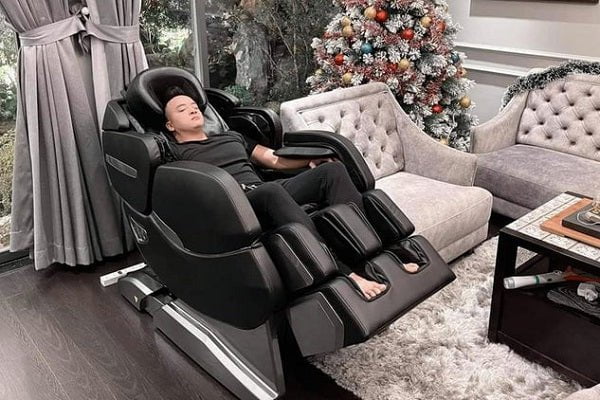
Ever sat down in a massage chair expecting blissful relaxation, only to feel like you’re being pummeled by a prize fighter? You’re not alone. Many people wonder why massage chairs can sometimes feel rough or uncomfortable. As someone who’s spent years testing and reviewing massage chairs, I’ve got the inside scoop on why this happens and what you can do about it.
The Mechanics Behind the Roughness
Let’s start by peeking under the hood of a massage chair. These high-tech marvels are packed with all sorts of gizmos designed to mimic human hands. But here’s the thing – they’re not actually human hands. They’re mechanical parts trying their best to recreate that human touch.
Rollers and Nodes: The Backbone of Massage Chairs
At the heart of most massage chairs are rollers and nodes. These are the workhorses that do the heavy lifting (or in this case, the kneading and pressing). They’re typically made of hard plastic or metal, which can feel quite different from soft human hands.
The Role of Rollers
Rollers are like the fingers of the massage chair. They move up and down your back, applying pressure to your muscles. But unlike human fingers that can instinctively adjust their pressure, rollers maintain a consistent force. This can sometimes feel a bit too intense, especially if you’re not used to it.
Nodes: The Pressure Points
Nodes are stationary points that protrude from the chair to target specific areas. They’re great for hitting those knots in your back, but they can also feel quite firm and, well, node-like. It’s not exactly the same as a therapist’s elbow digging into your back – it can be a bit more… pointed.
Airbags: The Squeeze Play
Many modern massage chairs also use airbags to create compression. These inflate and deflate to squeeze different parts of your body. While this can be great for improving circulation, it can also feel like you’re being hugged by a very enthusiastic octopus. Not always the most relaxing sensation, right?
Intensity Settings: Too Much of a Good Thing?
Now, let’s talk about those intensity settings. Most massage chairs come with various levels of intensity, from “gentle breeze” to “jackhammer.” The problem? Many people crank it up to 11 right off the bat.
The Goldilocks Zone
Finding the right intensity is like Goldilocks trying to find the perfect porridge – it needs to be just right. Too low, and you might as well be sitting in a regular chair. Too high, and you’ll feel like you’re in a wrestling match with your furniture.
Starting Low and Slow
Here’s a pro tip: always start with the lowest intensity and work your way up. Your body needs time to adjust to the pressure. It’s like dipping your toe in the pool before jumping in – you want to ease into it.
Customization is Key
Many massage chairs offer customization options. You can often adjust the width of the rollers, the areas they focus on, and even the type of massage technique. Playing around with these settings can help you find a more comfortable experience.
The Human Touch vs. Machine Precision
Let’s face it – no matter how advanced massage chairs get, they’re still not human. And that’s okay! But it does mean they lack certain qualities that make human massages feel so good.
The Intuition Factor
A human massage therapist can feel the tension in your muscles and adjust their pressure accordingly. They can sense when you flinch or relax and modify their technique on the fly. Massage chairs, as smart as they are, can’t do that (at least not yet).
Predictable Patterns
Massage chairs often follow set patterns. While this can be great for consistency, it can also feel a bit robotic. Human massages have an element of unpredictability that keeps your muscles guessing (in a good way).
The Warmth of Human Hands
There’s something to be said for the warmth of human hands. While some massage chairs have heating elements, they don’t quite replicate the comforting warmth of human touch. It’s like the difference between a warm blanket and a heating pad – both are nice, but one feels more… well, human.
Material Matters: The Chair’s Construction
The materials used in a massage chair can greatly affect how it feels. Let’s break down the common materials and their impact on your massage experience.
Padding: The Comfort Layer
The amount and type of padding in a massage chair can make a big difference in how rough it feels. Some chairs skimp on padding to provide a more intense massage, while others pile it on for a softer touch.
Memory Foam: Friend or Foe?
Memory foam is a popular choice for massage chair padding. It molds to your body, which can be great for comfort. But it can also dampen the massage effects, making the chair feel less effective. It’s a balancing act between comfort and effectiveness.
The Goldilocks Padding
The ideal padding is like the perfect mattress – not too soft, not too hard. It should provide enough cushioning to prevent the rollers from feeling like they’re digging into your spine, but not so much that you can’t feel the massage at all.
Upholstery: More Than Just Looks
The chair’s covering isn’t just about aesthetics – it can affect how the massage feels too. Different materials can change how the rollers and nodes interact with your body.
Leather: Smooth but Sticky
Leather looks luxurious, but it can stick to your skin, especially if you’re using the chair shirtless. This can make the massage feel rougher as your skin doesn’t glide smoothly over the surface.
Synthetic Fabrics: The Slippery Slope
Some synthetic fabrics can be too slippery, causing you to slide around during the massage. This can make it feel less effective and potentially more uncomfortable.
Body Type and Sensitivity: It’s Personal
Here’s something that often gets overlooked – how a massage chair feels can vary greatly depending on your body type and personal sensitivity.
The Bone Factor
If you’re on the slimmer side, you might find massage chairs feel rougher. Why? There’s less padding (i.e., muscle and fat) between your bones and the chair’s mechanisms. It’s like the difference between sleeping on a thin mattress versus a plush one – your bones will feel it more on the thinner option.
Spine Alignment
The shape of your spine can also affect how a massage chair feels. If you have a very curved spine or one that doesn’t align perfectly with the chair’s design, you might find certain areas feel rougher or more intense than others.
Muscle Tension: The Silent Culprit
If you’re carrying a lot of tension in your muscles, a massage chair might initially feel rougher. Tense muscles are less pliable, which can make the massage feel more intense or even painful. It’s like trying to knead a rock-hard lump of dough versus one that’s been left to rest – the softer one is much easier to work with.
The Paradox of Pain
Here’s a funny thing about massage – sometimes, what feels rough or even painful at first can lead to the greatest relief. It’s the “hurts so good” phenomenon. Your muscles might initially resist the pressure, making the massage feel rough, but as they relax, the sensation can become much more pleasant.
Skin Sensitivity: The Outer Layer
Some people just have more sensitive skin than others. If you’re the type who gets easily bruised or marked up, you might find massage chairs feel rougher. It’s not that the chair is actually rougher – your skin is just more reactive to the pressure.
The Clothing Buffer
Here’s a quick tip: if you find the chair feels too rough on your skin, try wearing a thin, long-sleeved shirt. This can provide just enough of a buffer to make the experience more comfortable without significantly reducing the massage effectiveness.
Expectation vs. Reality: Managing Your Massage Mindset
Sometimes, the perception of roughness comes down to what you’re expecting from your massage chair experience. Let’s explore how your expectations can shape your perception.
The Spa Experience at Home?
Many people buy massage chairs expecting to recreate the blissful experience of a spa massage at home. While massage chairs can certainly provide relief and relaxation, they’re not exact replicas of human massage.
Adjusting Your Expectations
Think of a massage chair more like a very advanced foam roller rather than a human masseuse. It’s a tool for muscle relief and relaxation, but it has its own unique feel. Once you adjust your expectations, you might find the “roughness” feels more like welcomed intensity.
The Learning Curve
Like any new experience, using a massage chair effectively can take some time to get used to. What feels rough at first might become your favorite setting after a few uses.
Give It Time
Don’t give up on your massage chair after one or two uses if it feels rough. Your body needs time to adjust to the new sensations. It’s like starting a new workout routine – there might be some initial discomfort, but your body adapts over time.
The Technology Factor: Not All Chairs Are Created Equal
The technology used in massage chairs can greatly affect how rough or smooth they feel. Let’s dive into some of the tech that can make a difference.
3D vs. 4D Technology
Many high-end massage chairs now boast 3D or even 4D technology. But what does this actually mean for your massage experience?
3D: Adding Depth
3D technology allows the massage rollers to move not just up and down, left and right, but also in and out. This can create a more nuanced massage that feels less rough because it can adjust the intensity of pressure.
4D: The Time Factor
4D takes it a step further by adding a time element, varying the speed of the massage strokes. This can create a more natural-feeling massage that’s less likely to feel rough or repetitive.
AI and Body Scanning
Some advanced massage chairs use artificial intelligence and body scanning technology to customize the massage to your specific body shape and size.
Personalized Pressure
These smart chairs can detect where your spine is and adjust the rollers accordingly. This means less chance of a roller hitting your spine directly (ouch!) and a more tailored massage experience that’s less likely to feel rough.
Roller Design: The Devil’s in the Details
The shape and material of the massage rollers themselves can make a big difference in how rough the massage feels.
Smooth vs. Textured Rollers
Some chairs use smooth rollers, while others have textured or ridged rollers. Smooth rollers generally provide a gentler feel, while textured ones can give a more intense massage that might feel rougher to some users.
Maintenance and Wear: Keeping Your Chair in Top Shape
Sometimes, a massage chair might start to feel rough simply because it needs some TLC. Regular maintenance can keep your chair feeling smooth and comfortable.
Lubrication: Keeping Things Moving Smoothly
Just like any machine with moving parts, massage chairs can benefit from occasional lubrication. This can help reduce friction and noise, which might be contributing to a perception of roughness.
DIY or Professional?
While some minor maintenance can be done at home, it’s often best to have a professional service your massage chair regularly. They can spot and fix issues that might be making your massage feel rougher than it should.
Padding Wear and Tear
Over time, the padding in your massage chair can compress or wear down, especially in high-use areas. This can make the massage feel rougher as there’s less cushioning between you and the mechanical parts.
Reupholstering Options
If your chair is still mechanically sound but the padding has seen better days, consider having it reupholstered. This can breathe new life into an old chair and make your massages feel smooth and comfortable again.
Health Conditions: When Roughness Isn’t Just About the Chair
Sometimes, a massage chair might feel rough due to underlying health conditions rather than issues with the chair itself. It’s important to be aware of how your health can impact your massage experience.
Fibromyalgia and Chronic Pain Conditions
If you have a condition that makes you more sensitive to pain, like fibromyalgia, even a gentle massage might feel rough or uncomfortable. It’s crucial to consult with your doctor before using a massage chair if you have such conditions.
Adjusting for Comfort
For those with chronic pain conditions, using the lightest settings on the massage chair and gradually increasing intensity over time can help. Some days you might need a gentler touch than others, and that’s okay.
Circulation Issues
Poor circulation can make massage feel more intense or even painful. The pressure from the chair can be uncomfortable if blood isn’t flowing properly through your muscles.
Warming Up First
Try doing some light stretching or taking a short walk before using your massage chair. This can help improve circulation and make the massage feel less rough.
The Benefits of a “Rough” Massage
While we’ve talked a lot about why massage chairs might feel rough and how to mitigate that, it’s worth noting that sometimes a firmer, more intense massage can be beneficial.
Deep Tissue Benefits
A massage that feels a bit rough might actually be providing a deep tissue massage. This type of massage can help relieve chronic muscle tension and knots that a gentler touch might not reach.
Breaking Up Adhesions
Those knots in your muscles? They’re often adhesions – bands of rigid tissue that can cause pain and limit movement. A firmer massage can help break these up, leading to improved flexibility and reduced pain over time.
Improved Circulation
A more intense massage can stimulate blood flow more effectively than a gentle one. This increased circulation can help reduce inflammation and promote healing in your muscles.
The Flush Effect
Ever notice how your skin gets a bit red after a firm massage? That’s increased blood flow to the area, which can help flush out toxins and bring fresh, oxygenated blood to your muscles.
Alternatives to Traditional Massage Chairs
If you’re finding traditional massage chairs too rough, there are alternatives that might provide a gentler touch while still offering muscle relief.
Shiatsu Pillows
These smaller, more targeted devices can provide a massage-like experience without the full-body intensity of a massage chair. They’re great for focusing on specific areas like your neck or lower back.
Portability and Control
One advantage of shiatsu pillows is that you can easily move them around and control the pressure by adjusting your body position. This can help you avoid any spots that feel too rough.
Vibration Platforms
These devices work by vibrating your entire body at various frequencies. While they don’t provide the kneading action of a massage chair, they can help relax muscles and improve circulation without any rough sensations.
Gentle but Effective
Vibration platforms can be especially good for people who find any kind of pressure too intense. The vibrations work on your muscles without direct pressure.
The Future of Massage Chairs: Smoother Sensations Ahead?
As technology continues to advance, we’re likely to see improvements in massage chair design that could address the issue of roughness.
Adaptive AI Technology
Future massage chairs might use more advanced AI to learn your preferences over time, adjusting the massage to be smoother or firmer based on your reactions and feedback.
Real-Time Adjustments
Imagine a massage chair that could sense your muscle tension in real-time and adjust its pressure accordingly. This could provide a much more natural and comfortable massage experience.
New Materials
Advances in materials science could lead to softer, more skin-like surfaces for massage rollers and more responsive padding that provides better cushioning without sacrificing massage effectiveness.
Biomimicry in Design
Future massage chairs might incorporate materials and designs that more closely mimic human hands and fingers, providing a smoother, more natural-feeling massage.
Conclusion
So, why do massage chairs feel rough? It’s a combination of factors: the mechanical nature of the chairs, intensity settings, your body type and sensitivity, and even your expectations. But remember, what feels rough at first might just be your ticket to muscle relief and relaxation.
If you’re struggling with a rough-feeling massage chair, don’t give up hope. Try adjusting the settings, wear comfortable clothing, and give your body time to adjust. And if all else fails, remember there are alternatives out there that might be a better fit for you.
Ultimately, the goal is to find a massage solution that helps you relax and relieves your muscle tension. Whether that’s a high-intensity massage chair session or a gentler approach with a shiatsu pillow, the best massage is the one that works for you. So keep exploring, adjusting, and finding what feels right for your body. Your muscles will thank you!
FAQ: Why Do Massage Chairs Feel Rough?
Can massage chairs cause bruising?
While it’s uncommon, massage chairs can potentially cause bruising, especially if used at high intensity settings or if you have sensitive skin. Always start with lower intensity settings and gradually increase as your body adjusts. If you notice any bruising, stop using the chair and consult with a healthcare professional.
How often should I use a massage chair?
The frequency of use depends on your individual needs and how your body responds. Generally, using a massage chair for 15-20 minutes, 3-4 times a week is a good starting point. However, listen to your body – if you feel sore or uncomfortable, reduce the frequency or intensity. It’s always best to consult with a healthcare provider for personalized advice.
Can massage chairs help with chronic back pain?
Many people find that regular use of massage chairs can help alleviate chronic back pain by improving circulation, reducing muscle tension, and promoting relaxation. However, the effectiveness can vary from person to person. It’s important to use the chair correctly and consistently, and to combine it with other treatments recommended by your healthcare provider.
Are more expensive massage chairs less likely to feel rough?
Generally, higher-end massage chairs often have more advanced technology and better quality components, which can result in a smoother massage experience. They may offer features like 3D or 4D rollers, body scanning technology, and more customizable settings. However, price doesn’t always guarantee comfort – it’s important to try out a chair if possible before purchasing.
Can I make my existing massage chair feel less rough?
Yes, there are several ways to potentially make your massage chair feel less rough. Try using a thin blanket or wearing a long-sleeved shirt to provide a buffer. Adjust the intensity settings to a lower level, and experiment with different massage programs. Regular maintenance of your chair can also help ensure it’s operating smoothly. If these don’t help, consider having the chair professionally serviced or reupholstered.