
Why Can’t Diabetics Use Foot Massagers
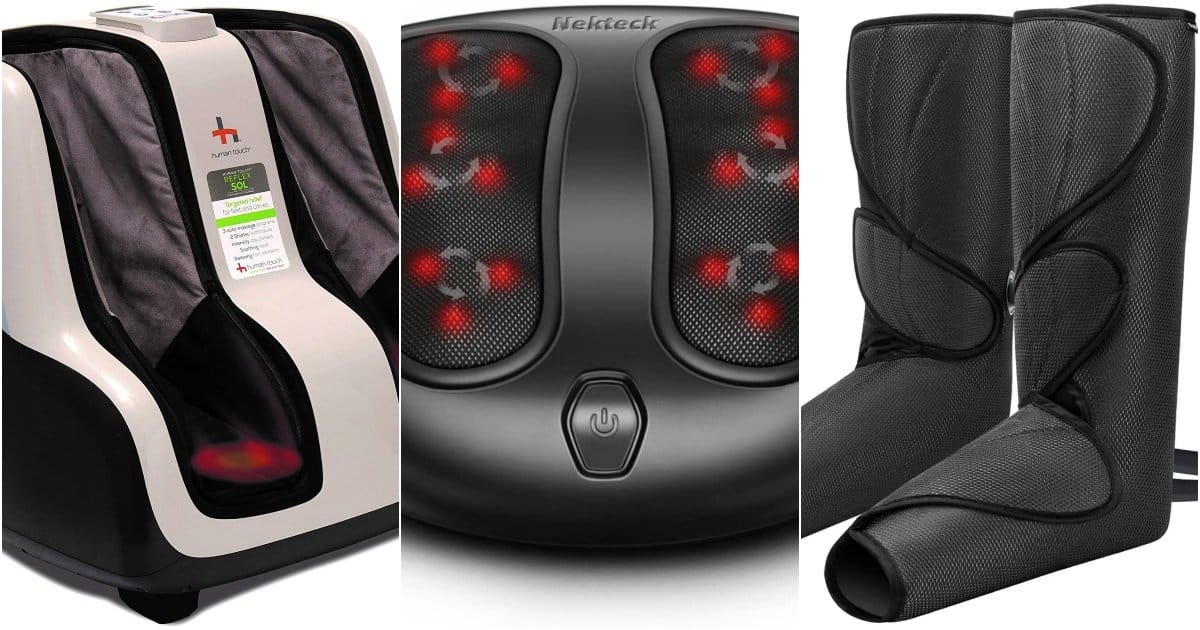
Diabetics should avoid using foot massagers due to reduced sensation in their feet, which increases the risk of injury. Foot massagers can potentially cause bruising, burns, or undetected damage to diabetic feet.
Understanding the Risks of Foot Massagers for Diabetics
As someone who’s spent years researching diabetes and its complications, I’ve often been asked about the safety of foot massagers for people with this condition. It’s a topic that deserves careful consideration, given the potential risks involved. Let’s dive into why diabetics need to be cautious when it comes to using foot massagers.
The Connection Between Diabetes and Foot Health
Diabetes affects many parts of the body, but its impact on foot health is particularly significant. High blood sugar levels can lead to nerve damage, a condition known as diabetic neuropathy. This often results in reduced sensation in the feet, making it harder for diabetics to feel pain, temperature changes, or injuries.
What is Diabetic Neuropathy?
Diabetic neuropathy is a type of nerve damage that can occur in people with diabetes. It most commonly affects the legs and feet. When the nerves in these areas are damaged, it can lead to numbness, tingling, or pain. In some cases, people may lose feeling in their feet entirely.
How Does Neuropathy Affect Foot Sensitivity?
Imagine wearing thick gloves and trying to feel the texture of different fabrics. That’s similar to what many diabetics experience with their feet due to neuropathy. This decreased sensitivity is why foot care is so crucial for people with diabetes.
The Allure of Foot Massagers
Foot massagers can seem like a tempting solution for anyone with tired, achy feet. They promise relaxation, improved circulation, and relief from foot pain. For diabetics dealing with neuropathy-related discomfort, these benefits might sound particularly appealing.
Common Types of Foot Massagers
There are several types of foot massagers available in the market:
- Electric massagers with rollers and nodes
- Shiatsu massagers that mimic hand massage techniques
- Water-based foot spas
- Manual massage tools like rollers and balls
Claimed Benefits of Foot Massagers
Manufacturers often tout benefits such as:
- Improved circulation
- Stress relief
- Pain reduction
- Better sleep
While these benefits might be true for many people, the situation is different for those with diabetes.
Why Foot Massagers Can Be Dangerous for Diabetics
Now, you might be wondering, “If foot massagers are so beneficial, why can’t diabetics use them?” The answer lies in the unique challenges that diabetes presents to foot health.
Reduced Sensation and the Risk of Injury
Remember that thick glove analogy? Now imagine using a powerful tool while wearing those gloves. You might not realize if you’re applying too much pressure or if the tool is causing damage. That’s the primary concern with diabetics using foot massagers.
Potential for Unnoticed Injuries
Due to reduced sensation, a diabetic person might not feel if a massager is:
- Causing bruising
- Creating too much friction and leading to blisters
- Applying excessive pressure on sensitive areas
The Danger of Delayed Treatment
If an injury occurs and goes unnoticed, it can lead to more serious complications. In diabetics, even small wounds can become infected quickly due to reduced blood flow and weakened immune response.
Circulation Concerns
While foot massagers claim to improve circulation, the reality for diabetics is more complicated.
The Delicate Balance of Blood Flow
Diabetes can affect blood vessels, making them less flexible and efficient. The forceful action of a foot massager might disrupt the delicate balance of blood flow in diabetic feet.
Risk of Blood Clots
In some cases, especially if there’s existing circulation issues, the use of a foot massager could potentially dislodge blood clots, leading to serious health risks.
Temperature-Related Risks
Many foot massagers, especially spa-type devices, use heat. This presents another set of risks for diabetics.
Difficulty Sensing Heat
Due to neuropathy, a diabetic person might not realize if the water or massager is too hot, potentially leading to burns.
Impact of Heat on Blood Sugar
Heat can increase blood flow to the feet, which might affect blood sugar levels in ways that are hard to predict or control.
The Importance of Professional Foot Care for Diabetics
Given these risks, it’s crucial for diabetics to prioritize professional foot care over at-home solutions like foot massagers.
Regular Check-ups with a Podiatrist
Regular visits to a podiatrist (a foot doctor) are essential for diabetics. These specialists can:
- Assess foot health
- Identify potential problems early
- Provide safe treatments for foot discomfort
- Offer guidance on proper foot care
The Role of Diabetic Foot Exams
Diabetic foot exams are a crucial part of managing the condition. During these exams, healthcare providers check for:
- Changes in foot shape
- Signs of nerve damage
- Circulation issues
- Skin problems
- Injuries or ulcers
Safe Alternatives to Foot Massagers
While foot massagers are off the table, there are safer ways for diabetics to care for their feet:
Gentle Self-Massage
Under the guidance of a healthcare provider, some diabetics may be able to perform gentle self-massage. This should be done with caution and only after receiving proper instruction.
Diabetic-Friendly Foot Exercises
Certain foot exercises can help improve circulation and flexibility without the risks associated with massagers. These might include:
- Toe curls
- Ankle rotations
- Gentle stretches
Proper Footwear
Wearing the right shoes can make a big difference in foot comfort. Diabetic-friendly shoes are designed to reduce pressure points and provide proper support.
The Importance of Daily Foot Care for Diabetics
While we’ve established that foot massagers are a no-go, daily foot care is absolutely crucial for people with diabetes. Let’s look at some essential practices that can help maintain foot health and prevent complications.
Daily Foot Inspection
One of the most important habits for diabetics is to inspect their feet every day. This routine check can help catch problems early before they become serious.
What to Look For During Foot Inspections
When examining your feet, keep an eye out for:
- Cuts, scrapes, or blisters
- Redness or swelling
- Changes in skin color or temperature
- Ingrown toenails
- Fungal infections between toes
- Any unusual changes in foot shape
Tools for Better Foot Inspection
If you have trouble seeing the bottom of your feet, try using:
- A long-handled mirror
- A smartphone camera
- Ask a family member for help
Proper Foot Hygiene
Keeping your feet clean is another vital aspect of diabetic foot care. However, it’s not as simple as just washing your feet in the shower.
Best Practices for Washing Diabetic Feet
Follow these guidelines for safe and effective foot washing:
- Use lukewarm water, not hot
- Test the water temperature with your elbow or a thermometer
- Use a mild soap
- Gently clean between toes
- Pat feet dry thoroughly, especially between toes
The Importance of Moisturizing
Dry, cracked skin can be an entry point for infections. Moisturize your feet daily, but avoid putting lotion between your toes as this can promote fungal growth.
Nail Care for Diabetics
Proper nail care is crucial for preventing injuries and infections.
Safe Nail Trimming Techniques
When trimming your nails:
- Cut straight across, not curved
- Use nail clippers, not scissors
- Don’t cut nails too short
- File any sharp edges
When to Seek Professional Help
If you have difficulty reaching your feet, have poor eyesight, or thick nails, it’s best to have a podiatrist trim your nails.
Understanding the Link Between Diabetes and Foot Ulcers
One of the most serious foot-related complications of diabetes is the development of foot ulcers. Understanding this risk is crucial in appreciating why foot care, including avoiding foot massagers, is so important.
What are Diabetic Foot Ulcers?
Diabetic foot ulcers are open sores or wounds that occur in about 15% of people with diabetes. They most commonly develop on the bottom of the foot.
How Do Diabetic Foot Ulcers Develop?
Several factors contribute to the development of foot ulcers:
- Poor circulation
- Nerve damage (neuropathy)
- Foot deformities
- Irritation or trauma to the foot
The Role of Pressure Points
Ulcers often start at pressure points on the foot. This is another reason why foot massagers can be dangerous – they may create additional pressure points or exacerbate existing ones.
The Dangers of Untreated Foot Ulcers
If left untreated, foot ulcers can lead to serious complications.
Risk of Infection
Open wounds on the feet are prone to infection, especially in people with diabetes who may have compromised immune systems.
Potential for Amputation
In severe cases, untreated foot ulcers can lead to amputation. In fact, diabetic foot ulcers precede about 85% of diabetes-related amputations.
Prevention and Early Detection of Foot Ulcers
Preventing foot ulcers is far easier than treating them. This is why daily foot inspections and proper foot care are so crucial.
Signs to Watch For
Be alert for early signs of potential ulcers:
- Redness or swelling
- Warmth in a specific area of the foot
- Blisters or calluses
- Drainage on socks
The Importance of Proper Footwear
Wearing shoes that fit well and don’t create pressure points is crucial in preventing foot ulcers. This is yet another reason why relying on foot massagers for comfort is not a good idea for diabetics.
The Role of Blood Sugar Control in Foot Health
While we’ve focused a lot on external foot care, it’s important to remember that managing your diabetes effectively is crucial for foot health.
How Blood Sugar Affects Your Feet
High blood sugar levels can damage nerves and blood vessels, leading to the foot problems we’ve discussed.
The Impact on Nerve Health
Consistently high blood sugar can damage nerves over time, leading to neuropathy and loss of sensation in the feet.
Effects on Blood Vessels
High blood sugar can also damage and narrow blood vessels, reducing blood flow to the feet. This makes it harder for wounds to heal and increases the risk of infection.
Strategies for Better Blood Sugar Control
Maintaining good blood sugar control is a key part of preventing diabetic foot complications.
Dietary Management
Eating a balanced diet that helps control blood sugar is crucial. This often includes:
- Limiting simple carbohydrates
- Eating plenty of fiber
- Choosing lean proteins
- Incorporating healthy fats
Regular Exercise
Physical activity can help improve blood sugar control. However, it’s important to choose activities that are safe for your feet. Always consult with your healthcare provider before starting a new exercise regimen.
Medication Management
Taking diabetes medications as prescribed is crucial for maintaining good blood sugar control. Never adjust your medication without consulting your healthcare provider.
The Psychological Impact of Diabetic Foot Care
It’s important to acknowledge that the constant vigilance required for diabetic foot care can be mentally and emotionally taxing.
Dealing with Anxiety and Stress
The fear of developing foot complications can create significant anxiety for many people with diabetes.
Coping Strategies
Some ways to manage this stress include:
- Practicing mindfulness or meditation
- Joining a diabetes support group
- Talking to a mental health professional
The Importance of Self-Compassion
Remember that managing diabetes is challenging. Be kind to yourself and celebrate the steps you take to care for your health, no matter how small they may seem.
Building a Support System
Having a strong support system can make diabetic foot care feel less overwhelming.
Involving Family and Friends
Don’t be afraid to ask for help from loved ones. They can assist with foot inspections, remind you of appointments, or simply offer emotional support.
Working with Your Healthcare Team
Your healthcare providers are key members of your support system. Be open with them about your concerns and challenges related to foot care.
Technological Advances in Diabetic Foot Care
While foot massagers may be off-limits, there are many technological advancements that are making diabetic foot care easier and more effective.
Smart Socks and Insoles
These devices can detect changes in temperature or pressure in your feet, alerting you to potential problems before they become visible.
How They Work
Smart socks and insoles typically use sensors to detect:
- Changes in foot temperature
- Areas of high pressure
- Moisture levels
Benefits and Limitations
While these devices can provide valuable data, they’re not a substitute for regular foot inspections and professional care. They’re best used as an additional tool in your foot care routine.
Telemedicine for Foot Care
Telemedicine is making it easier for people with diabetes to get regular foot check-ups without always needing to visit a clinic.
Virtual Foot Exams
Some podiatrists now offer virtual appointments where you can show them your feet via video call. This can be particularly helpful for routine check-ins or if you notice a minor change in your feet.
Limitations of Telemedicine
While convenient, telemedicine can’t completely replace in-person exams. Some issues may require hands-on assessment and treatment.
The Future of Diabetic Foot Care
Research into diabetic foot care is ongoing, with scientists working on new ways to prevent and treat foot complications.
Advances in Wound Healing
New treatments for diabetic foot ulcers are being developed, including:
- Advanced dressings that promote healing
- Bioengineered skin substitutes
- Therapies that stimulate the growth of new blood vessels
Genetic Research
Scientists are studying genetic factors that may increase the risk of diabetic foot complications. This could lead to more personalized prevention strategies in the future.
Conclusion
While it may be disappointing to learn that foot massagers are off-limits for people with diabetes, it’s crucial to prioritize foot health and safety. The risks associated with using foot massagers far outweigh any potential benefits for diabetics.
Instead of relying on these devices, focus on maintaining good blood sugar control, practicing diligent daily foot care, and working closely with your healthcare team. Remember, your feet carry you through life – they deserve the best care possible.
By understanding the unique challenges that diabetes presents to foot health and taking proactive steps to address them, you can significantly reduce your risk of serious complications. Stay vigilant, stay informed, and don’t hesitate to seek professional help when needed. Your feet will thank you for it!
Why can’t diabetics use regular lotion on their feet?
Regular lotions often contain ingredients that can promote fungal growth between the toes, where moisture tends to accumulate. Diabetics are more susceptible to fungal infections due to compromised immune systems. It’s best to use diabetic-specific foot creams that are designed to moisturize without increasing the risk of infection.
How often should diabetics have professional foot exams?
Most healthcare providers recommend that diabetics have a comprehensive foot exam at least once a year. However, if you have existing foot problems or a history of foot ulcers, you may need more frequent check-ups. Always follow your doctor’s advice regarding the frequency of professional foot exams.
Can diabetics get pedicures?
While pedicures aren’t entirely off-limits for diabetics, they do come with risks. If you choose to get a pedicure, find a salon that specializes in diabetic foot care, bring your own sanitized tools, and avoid having your cuticles cut. It’s always best to consult with your podiatrist before getting any kind of professional foot treatment.
Are there any exercises that can improve foot health for diabetics?
Yes, there are several foot exercises that can be beneficial for diabetics. These include toe curls, ankle rotations, and gentle foot stretches. However, it’s crucial to get approval from your healthcare provider before starting any new exercise routine. They can guide you on which exercises are safe and appropriate for your specific condition.
What should diabetics do if they notice a blister on their foot?
If you notice a blister on your foot, don’t try to pop or drain it yourself. Cover it with a clean, dry dressing and contact your healthcare provider immediately. Even a small blister can quickly become a serious problem for diabetics due to slower healing and increased risk of infection. Your doctor can provide proper treatment and help prevent complications.