
What Is the Best Type of Massage
The best type of massage depends on individual needs and preferences. Common effective options include Swedish massage for relaxation, deep tissue for muscle tension, and sports massage for athletic recovery.
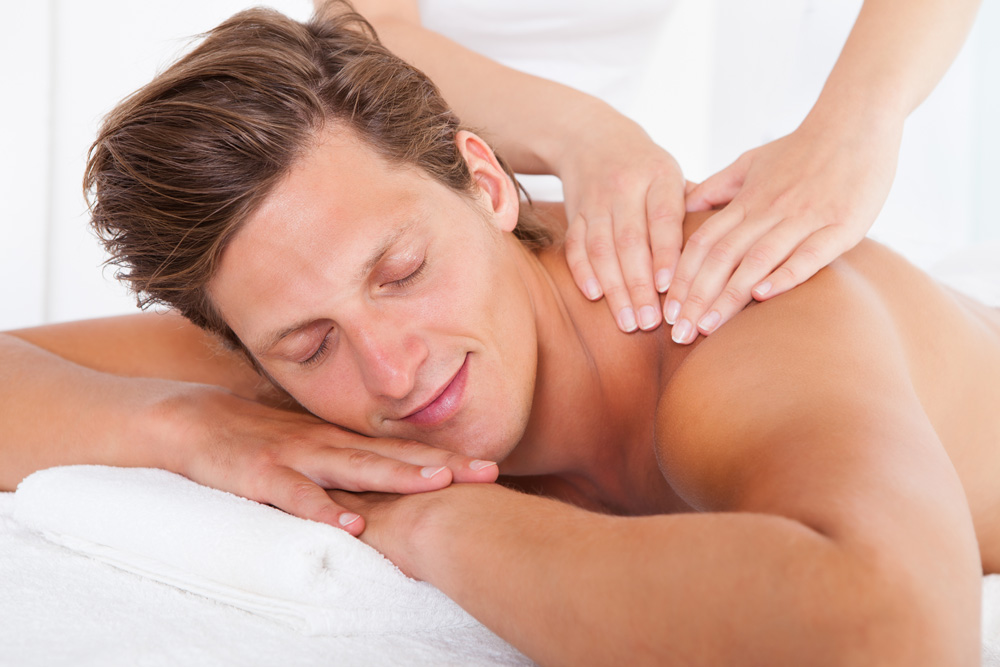
Understanding Different Massage Types
When it comes to massage, there’s no one-size-fits-all solution. Each type of massage offers unique benefits, and what works best for you might not be ideal for someone else. Let’s dive into the world of massage and explore some popular options to help you find your perfect match.
Swedish Massage: The Classic Choice
Swedish massage is often considered the go-to option for many people. It’s gentle, relaxing, and great for first-timers. But what exactly makes it so popular?
For starters, Swedish massage uses long, flowing strokes to help you unwind. It’s like a soothing lullaby for your muscles. The therapist might also knead and tap your muscles, helping to release tension and improve circulation. If you’re looking to de-stress and feel more relaxed, Swedish massage could be your ticket to bliss.
Deep Tissue Massage: When You Need More Pressure
Do you ever feel like your muscles are tied in knots? That’s where deep tissue massage comes in. It’s like Swedish massage’s stronger, more intense cousin. The therapist uses firm pressure and slow strokes to reach deeper layers of muscle and fascia.
Deep tissue massage can be a game-changer for chronic pain and stubborn knots. It might feel a bit uncomfortable at times, but many people swear by its ability to provide relief. Just remember, communication with your therapist is key – let them know if the pressure is too much.
Sports Massage: For the Active Individual
Are you an athlete or someone who exercises regularly? Sports massage might be your new best friend. It’s designed to help prevent injuries, improve flexibility, and speed up recovery time.
Think of sports massage as a tune-up for your body. It can help you perform better and bounce back faster after intense physical activity. Whether you’re training for a marathon or just enjoy hitting the gym, sports massage can keep your body in top shape.
Specialized Massage Techniques
Beyond the basics, there’s a whole world of specialized massage techniques. Let’s explore some unique options that might pique your interest.
Hot Stone Massage: Adding Heat to the Mix
Imagine smooth, warm stones gliding across your skin. That’s the essence of hot stone massage. The heat from the stones helps relax your muscles, allowing the therapist to work more deeply without using as much pressure.
Hot stone massage can be particularly soothing if you’re dealing with muscle tension or simply want to feel warm and cozy. It’s like wrapping yourself in a heated blanket, but with the added benefit of massage.
Thai Massage: Yoga-like Stretches
Thai massage is a bit different from what you might expect. Instead of lying still on a table, you’ll be moved into various stretches and positions. It’s sometimes called “lazy person’s yoga” because the therapist does all the work!
This type of massage can improve flexibility, reduce muscle tension, and boost energy levels. If you’re looking for something more active and invigorating, Thai massage could be right up your alley.
Shiatsu: The Power of Finger Pressure
Shiatsu is a Japanese massage technique that uses finger pressure on specific points of the body. It’s based on the idea of energy pathways, similar to acupuncture, but without the needles.
People often describe Shiatsu as both relaxing and invigorating. It can help with stress, headaches, and muscle tension. If you’re curious about Eastern healing practices, Shiatsu offers a gentle introduction.
Choosing the Right Massage for You
With so many options, how do you pick the best massage for your needs? Here are some factors to consider:
Your Goals
What are you hoping to achieve with massage? Are you looking to relax, relieve pain, or improve athletic performance? Your goals will help guide your choice.
Your Comfort Level
Some massages involve more pressure or movement than others. Be honest about what feels comfortable for you. There’s no shame in preferring a gentler touch!
Your Health
Certain health conditions might make some types of massage more suitable than others. Always check with your doctor if you have any concerns.
Your Schedule
Consider how much time you have and how often you can get massages. Some techniques work best with regular sessions, while others can provide benefits in a single visit.
The Benefits of Regular Massage
No matter which type of massage you choose, regular sessions can offer a wealth of benefits. Let’s look at some of the ways massage can improve your overall well-being.
Stress Reduction
In our fast-paced world, stress is almost unavoidable. Massage can be a powerful tool for managing stress. It can lower cortisol levels (the stress hormone) and increase production of feel-good chemicals like serotonin and dopamine.
Pain Relief
Whether you’re dealing with chronic pain or just the occasional ache, massage can help. It can reduce inflammation, improve circulation, and release tension in your muscles.
Better Sleep
Having trouble sleeping? Massage might be the solution. Regular massage can improve sleep quality, helping you fall asleep faster and stay asleep longer.
Improved Mood
Massage doesn’t just feel good in the moment – it can boost your mood long after the session is over. Many people report feeling more positive and less anxious after regular massage.
What to Expect During Your Massage
If you’re new to massage, you might feel a bit nervous about your first session. Here’s what you can typically expect:
Before the Massage
You’ll usually fill out a health history form and discuss any concerns or preferences with your therapist. They’ll explain the massage process and answer any questions you might have.
During the Massage
You’ll be asked to undress to your comfort level and lie on a massage table under a sheet or towel. The therapist will only uncover the part of your body they’re working on. Remember, you’re in control – if anything feels uncomfortable, speak up!
After the Massage
Take your time getting up and drink plenty of water. You might feel a bit sore the next day, especially after a deep tissue massage. This is normal and should subside quickly.
Making the Most of Your Massage
Want to get the most out of your massage experience? Here are some tips:
- Communicate with your therapist about pressure, areas of concern, and any discomfort
- Try to relax and breathe deeply
- Don’t eat a heavy meal right before your massage
- Stay hydrated before and after your session
- Give yourself time to enjoy the relaxed feeling after the massage
Conclusion
The best type of massage is the one that meets your individual needs and preferences. Whether you’re looking for relaxation, pain relief, or improved athletic performance, there’s a massage technique out there for you. Don’t be afraid to try different types and communicate with your therapist to find the perfect fit. Regular massage can be a valuable part of your health and wellness routine, offering benefits for both body and mind. So why not give it a try? Your body (and mind) will thank you!
Frequently Asked Questions
How often should I get a massage?
The frequency of massages depends on your individual needs and goals. For general wellness, once a month is a good starting point. If you’re dealing with a specific issue or recovering from an injury, you might benefit from more frequent sessions, such as weekly or bi-weekly. Listen to your body and consult with your massage therapist for personalized recommendations.
Is massage safe during pregnancy?
Massage can be safe and beneficial during pregnancy, but it’s important to work with a therapist trained in prenatal massage. Some techniques and positions may need to be modified. Always check with your healthcare provider before getting a massage while pregnant, especially in the first trimester.
Can massage help with headaches?
Yes, massage can often help with headaches, especially tension headaches. Techniques that focus on the neck, shoulders, and head can help relieve muscle tension that contributes to headaches. Some people find that regular massage helps reduce the frequency and intensity of their headaches.
Is it normal to feel sore after a massage?
It’s not uncommon to feel some soreness after a massage, especially if you had deep tissue work done. This soreness, similar to what you might feel after a workout, usually subsides within a day or two. If the soreness is intense or lasts longer, contact your massage therapist or healthcare provider.
Can I talk during my massage?
It’s entirely up to you! Some people prefer to chat during their massage, while others like to stay quiet and focus on relaxing. Feel free to communicate with your therapist about pressure or any discomfort, but otherwise, do what feels most comfortable for you. Your therapist will follow your lead.