
What Is an Oncology Massage
Oncology massage is a specialized form of therapeutic massage designed to support cancer patients during treatment and recovery. It involves gentle, targeted techniques to alleviate pain, reduce stress, and improve overall well-being for individuals undergoing cancer therapy.
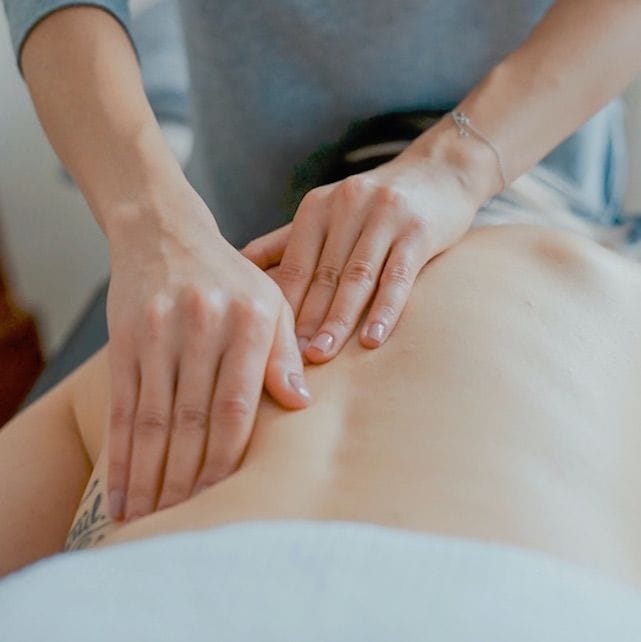
Understanding Oncology Massage: A Gentle Touch for Cancer Patients
Have you ever wondered how massage therapy can help cancer patients? As someone who’s worked closely with oncology patients, I can tell you that oncology massage is a game-changer. It’s not your typical spa massage – it’s a carefully tailored approach that takes into account the unique needs of those battling cancer.
Oncology massage is like a soothing balm for both body and soul. It’s gentle, nurturing, and specifically designed to support individuals going through cancer treatment or recovery. Think of it as a comforting hug for your entire being, providing relief and relaxation when you need it most.
The Basics of Oncology Massage
At its core, oncology massage is about providing comfort and support. It’s a specialized form of massage therapy that’s adapted to meet the needs of people living with cancer. Unlike regular massages that might be too intense, oncology massage uses light touch and gentle techniques to help ease pain, reduce stress, and improve overall well-being.
Who Can Benefit from Oncology Massage?
You might be wondering if oncology massage is right for you or a loved one. The good news is that it can benefit a wide range of people, including:
- Those recently diagnosed with cancer
- Patients undergoing chemotherapy or radiation therapy
- Individuals recovering from cancer surgery
- Cancer survivors in remission
- Family members and caregivers of cancer patients
The Unique Approach of Oncology Massage
What sets oncology massage apart from regular massage? It’s all about customization. Oncology massage therapists are trained to understand the complexities of cancer and its treatments. They know how to adjust their techniques based on each person’s specific situation.
Gentle Techniques for Maximum Comfort
In oncology massage, less is often more. The therapist uses light pressure and slow, steady movements. It’s like a whisper for your muscles – soft enough not to cause discomfort but effective enough to provide relief. This gentle approach ensures that the massage is safe and beneficial, even for those with sensitive skin or weakened immune systems.
Tailored to Individual Needs
Every cancer journey is unique, and so is every oncology massage session. The therapist will ask about your diagnosis, treatment, and any symptoms you’re experiencing. They’ll then create a personalized plan that addresses your specific concerns. It’s like having a massage designed just for you, taking into account all the little details that make your situation special.
The Benefits of Oncology Massage
Now, you might be wondering, “What can oncology massage do for me?” Let me tell you, the benefits are numerous and can make a real difference in quality of life.
Physical Benefits
Oncology massage can work wonders for your body. It’s like a gentle reset button, helping to:
- Reduce pain and discomfort
- Decrease nausea
- Improve sleep quality
- Boost circulation
- Reduce swelling and inflammation
Emotional and Mental Benefits
The power of touch goes beyond just physical relief. Oncology massage can also:
- Lower anxiety and stress levels
- Improve mood and emotional well-being
- Increase feelings of relaxation and calmness
- Provide a sense of connection and support
What to Expect During an Oncology Massage Session
If you’re new to oncology massage, you might feel a bit nervous. Don’t worry – I’ll walk you through what typically happens during a session.
Initial Consultation
Your first visit will start with a chat. The therapist will ask about your medical history, current treatments, and any areas of concern. It’s like having a conversation with a caring friend who wants to understand how best to help you.
Customized Treatment
Based on your consultation, the therapist will create a plan just for you. They’ll explain what they’re going to do and make sure you’re comfortable every step of the way. Remember, you’re in control – if anything doesn’t feel right, just speak up.
The Massage Experience
During the massage, you’ll be comfortably positioned, often with pillows for support. The therapist will use gentle, soothing strokes. It’s not about working out knots or applying deep pressure – it’s about creating a sense of calm and well-being.
Safety Considerations in Oncology Massage
Safety is the top priority in oncology massage. Let’s look at some key considerations to ensure you get the most benefit without any risks.
Communication is Key
Always keep your therapist informed about your health status, treatments, and any changes in your condition. It’s like keeping your doctor updated – the more they know, the better they can help you.
Adjustments for Treatments
Your massage therapist will take into account your current treatments. For example, they’ll avoid massaging areas that have recently received radiation therapy or where you have a chemotherapy port.
Pressure Matters
The pressure used in oncology massage is typically very light. This is to prevent any discomfort or potential complications. Think of it as a gentle caress rather than a deep tissue massage.
Finding a Qualified Oncology Massage Therapist
Getting the right therapist is crucial for a safe and effective oncology massage experience. Here’s how to find someone who’s qualified to help you.
Look for Specialized Training
Oncology massage therapists should have additional training beyond their basic massage certification. This specialized education teaches them about cancer, its treatments, and how to safely adapt massage techniques.
Check Credentials
Don’t be shy about asking for a therapist’s credentials. A qualified oncology massage therapist will be happy to share their training and experience with you.
Ask for Recommendations
Your oncology team or local cancer support groups can often recommend qualified therapists. It’s like getting a trusted friend’s opinion – their experience can guide you to the right person.
Integrating Oncology Massage into Cancer Care
Oncology massage isn’t just a standalone treatment – it can be a valuable part of your overall cancer care plan.
Complementing Medical Treatments
Think of oncology massage as a supportive therapy. It doesn’t replace medical treatments, but it can help manage side effects and improve your overall well-being during treatment.
Communicating with Your Healthcare Team
Always let your doctors know that you’re interested in or receiving oncology massage. They can provide guidance on whether it’s appropriate for your specific situation and may even be able to integrate it into your care plan.
The Emotional Impact of Oncology Massage
The benefits of oncology massage go beyond just physical relief. Let’s explore the emotional and psychological impact it can have.
Creating a Sense of Normalcy
Cancer treatment can make you feel disconnected from your body. Oncology massage can help you reconnect, providing a sense of normalcy and control during a challenging time.
Reducing Anxiety and Depression
The gentle touch of massage can trigger the release of feel-good hormones in your body. It’s like a natural mood booster, helping to ease anxiety and lift your spirits.
Providing Comfort and Support
Sometimes, words aren’t enough. The nurturing touch of oncology massage can provide comfort and support when you need it most, offering a non-verbal way to care for your emotional well-being.
Oncology Massage for Caregivers
It’s not just patients who can benefit from oncology massage. Caregivers, who often experience stress and fatigue, can also find relief through this gentle therapy.
Stress Relief for Caregivers
Caring for a loved one with cancer can be emotionally and physically draining. Oncology massage can offer caregivers a much-needed break and a chance to recharge.
Bonding Through Touch
Some oncology massage therapists can teach simple massage techniques to caregivers. This can provide a way for caregivers to offer comfort and connection to their loved ones, strengthening their bond during a difficult time.
The Future of Oncology Massage
As we learn more about the benefits of oncology massage, it’s becoming an increasingly important part of cancer care. Let’s look at what the future might hold.
Growing Acceptance in Medical Settings
More hospitals and cancer centers are starting to offer oncology massage as part of their supportive care services. It’s becoming recognized as a valuable tool in comprehensive cancer care.
Ongoing Research
Scientists are continuing to study the effects of oncology massage. This research helps us understand more about how it works and how we can use it most effectively to support cancer patients.
Conclusion
Oncology massage is more than just a luxurious spa treatment – it’s a powerful tool for supporting individuals through their cancer journey. From easing physical discomfort to providing emotional support, it offers a holistic approach to care that can make a real difference in quality of life.
If you or a loved one is dealing with cancer, consider exploring oncology massage as part of your care plan. Remember, it’s all about finding what works best for you. With its gentle touch and personalized approach, oncology massage might just be the soothing support you need during this challenging time.
What is the main difference between oncology massage and regular massage?
The main difference is in the approach and techniques used. Oncology massage uses gentler pressure and is tailored to the specific needs of cancer patients, taking into account their diagnosis, treatment, and any symptoms or side effects they’re experiencing.
Is oncology massage safe for all cancer patients?
While oncology massage is generally safe, it’s not suitable for everyone. It’s important to consult with your healthcare team before starting any new therapy. A qualified oncology massage therapist will also assess your individual situation to ensure the massage is safe and beneficial for you.
How often should I get an oncology massage?
The frequency of oncology massage sessions can vary depending on your individual needs and treatment plan. Some people benefit from weekly sessions, while others might prefer less frequent treatments. Your oncology massage therapist can help you determine the best schedule for your situation.
Can oncology massage help with chemotherapy side effects?
Yes, many people find that oncology massage helps manage side effects of chemotherapy such as nausea, fatigue, and pain. However, it’s important to note that results can vary from person to person, and massage should always be used as a complement to, not a replacement for, medical treatment.
How do I find a qualified oncology massage therapist?
Look for therapists who have completed specialized training in oncology massage. You can ask for recommendations from your oncology team, local cancer support groups, or professional massage therapy organizations. Always check the therapist’s credentials and don’t hesitate to ask about their experience working with cancer patients.