
What Are the Disadvantages of Massage Chairs
Massage chairs can have disadvantages including high cost, limited customization, potential for overuse, and space requirements. While they offer convenience, they may lack the personalized touch and adaptability of human massage therapists.
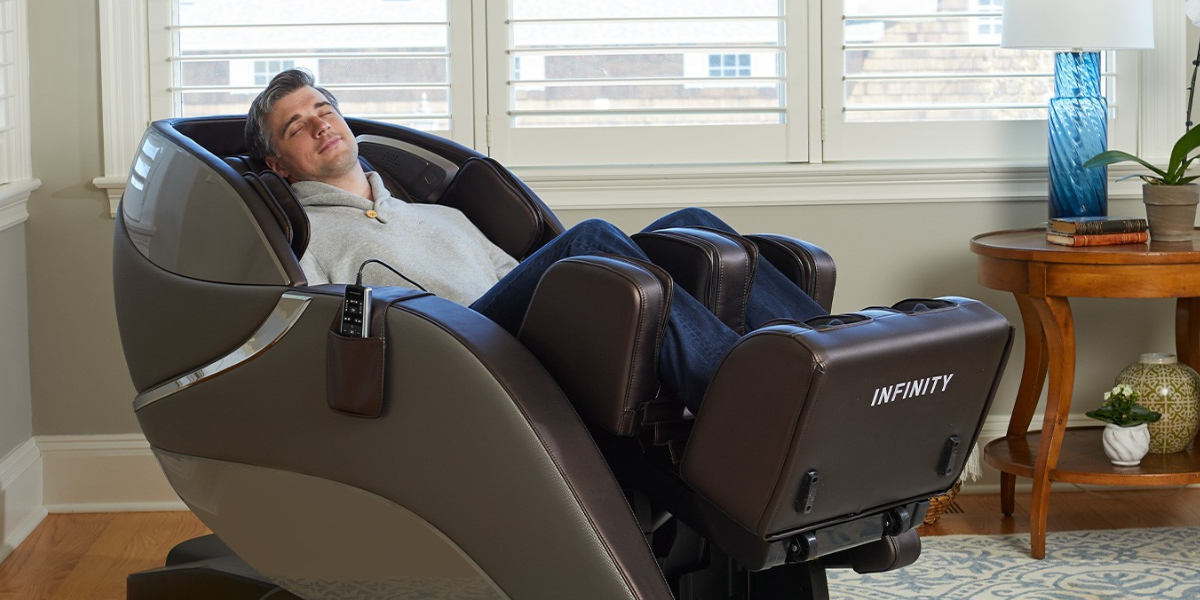
Understanding the Drawbacks of Massage Chairs
Have you ever wondered if those fancy massage chairs are really worth the hype? Sure, they look comfy and promise to melt away your stress, but let’s face it – nothing’s perfect. As someone who’s spent years researching and testing massage chairs, I’ve come to realize they’re not always the miracle workers they’re made out to be. Let’s dive into the not-so-rosy side of these mechanical masseuses.
The Price Tag Shock
Let’s start with the elephant in the room – the cost. Massage chairs aren’t exactly cheap date material for your wallet.
Initial Investment
You might need to sit down for this one (pun intended). A good massage chair can set you back anywhere from $1,000 to $10,000 or more. That’s a lot of dough for something that’s essentially a fancy seat, right?
Long-term Expenses
Don’t forget about maintenance costs. Like any piece of machinery, massage chairs need regular check-ups and occasional repairs. These can add up over time, making your wallet feel like it’s getting a not-so-relaxing squeeze.
Space Hogging Issues
Unless you’re living in a mansion, space is probably at a premium in your home. Massage chairs aren’t exactly known for their svelte figures.
Bulky Design
Most massage chairs are big. Really big. They’re like the SUVs of the furniture world. You might find yourself playing furniture Tetris just to fit one in your living room.
Limited Mobility
Once you’ve got it in place, good luck moving it. These chairs are heavy and often need to be near a power outlet. So much for feng shui, huh?
The Human Touch Factor
There’s something to be said for the human touch that machines just can’t replicate.
Lack of Intuition
A massage therapist can feel knots and adjust their technique on the fly. Massage chairs? Not so much. They stick to pre-programmed routines that might miss your problem areas.
Limited Customization
Sure, many chairs offer different settings, but they can’t match the infinite adjustments a human masseuse can make. It’s like comparing a paint-by-numbers kit to a Picasso.
Health and Safety Concerns
While massage chairs are generally safe, they’re not without risks.
Overuse Risks
It’s easy to get carried away and spend too much time in a massage chair. This can lead to bruising, soreness, or even muscle strain. Remember, too much of a good thing can be bad.
Medical Conditions
For some people with certain health issues, massage chairs can be a no-go. Pregnant women, people with osteoporosis, or those with certain heart conditions might need to steer clear.
The Technology Learning Curve
If you’re not tech-savvy, you might find yourself in a wrestling match with your new chair.
Complex Controls
Some massage chairs come with remotes that look like they could launch a space shuttle. It can take time to figure out all the settings and features.
Software Updates
Yep, even chairs need updates these days. If you’re not comfortable with tech, this could be a headache.
Durability and Longevity
Massage chairs are machines, and like all machines, they can break down.
Wear and Tear
The more you use your chair, the faster it’ll wear out. Moving parts can break, motors can burn out, and upholstery can tear.
Repair Challenges
When something goes wrong, you can’t just call any handyman. You might need a specialist, which can be both expensive and time-consuming.
Energy Consumption
Your relaxation might come at the cost of a higher electric bill.
Power Hungry
Massage chairs use a fair amount of electricity, especially if you’re using them frequently. It’s not going to bankrupt you, but it’s something to consider.
Always Plugged In
Even when not in use, many chairs draw a small amount of power. It’s like having a big, comfy vampire in your living room.
Noise Levels
Expecting a silent massage? You might be in for a surprise.
Mechanical Sounds
The motors and moving parts in massage chairs can create a noticeable hum or whir. It’s not deafening, but it’s not exactly zen-like silence either.
Disturbance to Others
If you’re hoping to use your chair while others are sleeping or working nearby, the noise might be an issue. It’s not ideal for open-plan homes or apartments with thin walls.
Limited Massage Techniques
While massage chairs have come a long way, they still can’t match the variety of techniques a human masseuse can offer.
Repetitive Motions
Chairs tend to use the same patterns over and over. This can make the massage feel less effective over time as your body gets used to it.
Missed Areas
Depending on your body shape and size, the chair might not hit all the right spots. There’s always that one spot it just can’t seem to reach, right?
Aesthetic Concerns
Let’s be honest, most massage chairs aren’t winning any beauty contests.
Limited Design Options
Massage chairs often come in a limited range of colors and styles. Finding one that matches your decor can be a challenge.
Visual Impact
A large, mechanical chair can be a bit of an eyesore in a carefully decorated room. It’s not exactly a subtle piece of furniture.
Psychological Dependence
There’s a risk of becoming too reliant on your massage chair for relaxation.
Overreliance
You might find yourself always turning to the chair instead of developing other stress-management techniques. It’s important to have a variety of ways to relax.
Reduced Social Interaction
If you’re always retreating to your massage chair, you might miss out on social interactions that could be just as stress-relieving.
Conclusion
While massage chairs can offer convenience and regular massage therapy, they come with their fair share of drawbacks. From the hefty price tag to the space they occupy, and from the lack of human intuition to potential overuse risks, it’s crucial to weigh these factors carefully. Remember, what works for one person might not work for another. If you’re considering investing in a massage chair, take the time to research, test different models, and consider how it fits into your lifestyle and budget. After all, true relaxation shouldn’t come with a side of stress!
Are massage chairs worth the investment?
It depends on your individual needs and circumstances. If you frequently need massages and have the budget and space, a massage chair could be worth it. However, for occasional use or if you prefer personalized massages, the high cost might not justify the benefits.
Can massage chairs be harmful?
While generally safe, massage chairs can be harmful if overused or used incorrectly. They may cause bruising, muscle strain, or exacerbate certain medical conditions. It’s always best to consult with a healthcare provider before using one regularly.
How long do massage chairs typically last?
With proper care and maintenance, a good quality massage chair can last anywhere from 5 to 10 years. However, this can vary depending on the frequency of use, the quality of the chair, and how well it’s maintained.
Can massage chairs replace human massage therapists?
While massage chairs offer convenience, they can’t fully replace human massage therapists. Chairs lack the intuition, adaptability, and personalized touch that skilled therapists provide. They’re better viewed as a complement to, rather than a replacement for, human massage.
Do massage chairs use a lot of electricity?
Massage chairs do consume more electricity than regular chairs, but the amount varies by model. On average, they use about 200 to 300 watts during operation, which is similar to a computer or a large TV. While not excessive, it can add a noticeable amount to your electricity bill with frequent use.