
Japanese vs Chinese Massage Chairs
Japanese massage chairs are known for their advanced technology and innovative features, while Chinese massage chairs are typically more affordable and offer good value for money. Both types have their strengths, with Japanese models often providing higher quality and more sophisticated massage experiences, and Chinese models offering competitive pricing and a wide range of options.
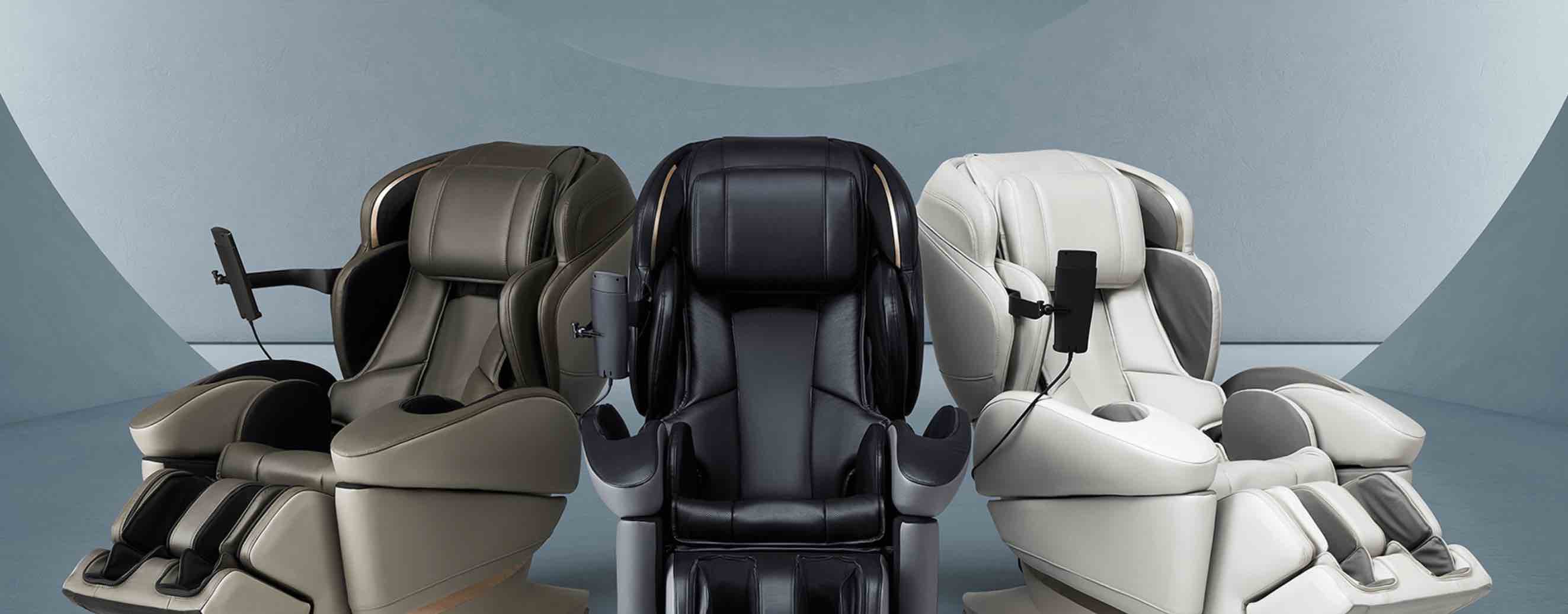
When it comes to choosing a massage chair, you might find yourself torn between Japanese and Chinese options. As someone who’s spent years testing and reviewing massage chairs, I can tell you that both have their merits. Let’s dive into the world of massage chairs and explore the differences between these two popular choices.
The Rise of Japanese Massage Chairs
Japanese massage chairs have long been considered the gold standard in the industry. Why? Well, it’s simple. Japan has a rich history of massage and wellness practices, and they’ve applied this knowledge to create some truly remarkable massage chairs.
Technological Innovation
One thing that sets Japanese massage chairs apart is their cutting-edge technology. These chairs often come equipped with features like:
- 3D and 4D massage rollers
- Body scanning technology
- Zero-gravity positioning
- Airbag compression systems
These features work together to provide a massage experience that’s about as close as you can get to a human massage therapist.
Quality and Durability
Japanese massage chairs are known for their exceptional build quality. They’re often made with high-grade materials and undergo rigorous quality control processes. This means they tend to last longer and require fewer repairs over time.
Precision and Customization
Another hallmark of Japanese massage chairs is their precision. These chairs often offer highly customizable massage programs that can target specific areas of the body with pinpoint accuracy. It’s like having a personal masseuse who knows exactly where you need attention.
The Chinese Massage Chair Market
While Japanese chairs might be the luxury option, Chinese massage chairs have carved out their own significant niche in the market. Let’s look at what makes them stand out.
Affordability
One of the biggest draws of Chinese massage chairs is their price point. These chairs often offer similar features to their Japanese counterparts but at a fraction of the cost. This makes them an attractive option for budget-conscious shoppers who still want a good massage experience.
Variety of Options
The Chinese market is vast, and this translates to a wide range of choices for consumers. Whether you’re looking for a basic model or something with more bells and whistles, you’re likely to find a Chinese massage chair that fits the bill.
Rapid Innovation
Chinese manufacturers are known for their ability to quickly adopt and implement new technologies. This means that Chinese massage chairs often incorporate the latest features and innovations, sometimes even before their Japanese counterparts.
Comparing Key Features
Now that we’ve got a general overview, let’s dive into some specific comparisons between Japanese and Chinese massage chairs.
Massage Techniques
Both Japanese and Chinese massage chairs offer a variety of massage techniques, including kneading, tapping, rolling, and shiatsu. However, Japanese chairs often have more refined and nuanced techniques that more closely mimic human touch.
Body Scanning Technology
Many high-end Japanese and Chinese massage chairs now include body scanning technology. This feature maps your body shape to ensure the massage rollers hit all the right spots. Japanese models tend to have more advanced scanning systems, but Chinese models are quickly catching up.
Massage Coverage
When it comes to massage coverage, both types of chairs can offer full-body massages. However, Japanese chairs often have more comprehensive coverage, with rollers that can reach from the neck all the way down to the calves and feet.
The User Experience
At the end of the day, what really matters is how the chair feels when you’re using it. Let’s break down the user experience for both types of chairs.
Comfort Level
Japanese massage chairs are often praised for their comfort. They tend to have more ergonomic designs and use higher quality padding and upholstery. Chinese chairs can be comfortable too, but they might not have the same level of plushness or support.
Noise Levels
This is an area where Japanese chairs often have an edge. They’re typically quieter during operation, which can make for a more relaxing experience. Some Chinese models can be a bit noisier, although higher-end Chinese chairs are improving in this area.
Ease of Use
Both Japanese and Chinese massage chairs strive for user-friendly interfaces. However, Japanese chairs often have more intuitive controls and clearer instructions. Chinese chairs can sometimes be a bit more complicated to operate, especially if you’re dealing with a poorly translated user manual.
Maintenance and Longevity
When you’re investing in a massage chair, you want it to last. Here’s how Japanese and Chinese chairs compare in terms of maintenance and longevity.
Durability
Japanese massage chairs are renowned for their durability. They’re built to last, often using higher quality components that can withstand years of regular use. Chinese chairs can be durable too, but they may not have the same longevity as their Japanese counterparts.
Warranty and Customer Support
This is an area where Japanese brands often excel. They typically offer longer warranties and more comprehensive customer support. Chinese brands are improving in this area, but they may not match the level of service provided by established Japanese companies.
Availability of Replacement Parts
If something does go wrong with your chair, you’ll want to be able to fix it. Japanese massage chair manufacturers usually have a good supply of replacement parts available. With Chinese chairs, it can sometimes be more challenging to find specific parts, especially for older or less popular models.
Price Considerations
We’ve touched on this before, but let’s dive a little deeper into the price differences between Japanese and Chinese massage chairs.
Initial Cost
Chinese massage chairs are typically much less expensive than Japanese models. You can often find a Chinese chair with similar features to a Japanese chair for half the price or less. This makes Chinese chairs an attractive option for those on a budget.
Long-term Value
While Japanese chairs are more expensive upfront, they often provide better long-term value. Their durability means you might not need to replace them as often, and their advanced features can provide a better massage experience over time.
Operating Costs
Both types of chairs are generally energy-efficient, but Japanese models might have a slight edge here. They often use more efficient motors and systems, which can lead to lower electricity bills over time.
Making Your Choice
So, how do you decide between a Japanese and a Chinese massage chair? Here are a few factors to consider:
Your Budget
If you’re working with a limited budget, a Chinese massage chair might be your best bet. You can get a lot of features for your money, and many Chinese chairs provide excellent value.
Your Massage Needs
If you have specific massage needs or health concerns, a Japanese chair might be worth the investment. Their more advanced technology and customization options can provide a more targeted massage experience.
Your Long-term Plans
Think about how long you want to keep your massage chair. If you’re looking for a chair that will last for many years, a Japanese model might be the way to go. If you’re okay with potentially replacing your chair sooner, a Chinese model could work well.
The Future of Massage Chairs
As we look to the future, it’s clear that both Japanese and Chinese massage chair manufacturers will continue to innovate. We’re likely to see even more advanced features, like:
- AI-powered massage programs
- Integration with smart home systems
- Virtual reality relaxation experiences
It will be interesting to see how both markets evolve and compete in the coming years.
Conclusion
In the end, both Japanese and Chinese massage chairs have their strengths. Japanese chairs offer top-of-the-line technology, precision, and durability, but come with a higher price tag. Chinese chairs provide excellent value for money and a wide range of options, but may not match the quality and longevity of Japanese models.
Your choice will ultimately depend on your personal needs, preferences, and budget. Whether you go for a Japanese or Chinese massage chair, you’re sure to find a model that can help you relax and unwind after a long day.
Are Japanese massage chairs worth the higher price?
For many users, yes. Japanese massage chairs often offer superior technology, build quality, and longevity, which can justify the higher initial cost. However, it depends on your specific needs and budget.
Can Chinese massage chairs match the quality of Japanese ones?
Some high-end Chinese massage chairs are approaching the quality of Japanese models. While they may not match the top-tier Japanese chairs in all aspects, many Chinese chairs offer excellent value for money.
Which type of massage chair is better for back pain?
Both types can be effective for back pain. Japanese chairs often have more advanced customization options, which can be beneficial. However, many Chinese chairs also offer good back massage features. It’s best to try different models and see what works for you.
How long do Japanese and Chinese massage chairs typically last?
With proper care, a high-quality Japanese massage chair can last 15-20 years or more. Chinese chairs may have a shorter lifespan, typically 5-10 years, but this can vary depending on the brand and model.
Are there any hybrid Japanese-Chinese massage chairs?
Yes, some companies are now producing chairs that combine Japanese technology with Chinese manufacturing to offer a balance of quality and affordability. These hybrid models are becoming increasingly popular in the massage chair market.