
How to Massage the Sciatic Nerve
Massage can ease sciatic pain by relaxing tight muscles, improving circulation, and reducing inflammation along the sciatic nerve pathway. Targeted techniques like deep tissue massage and trigger point therapy can provide relief for sciatica symptoms.
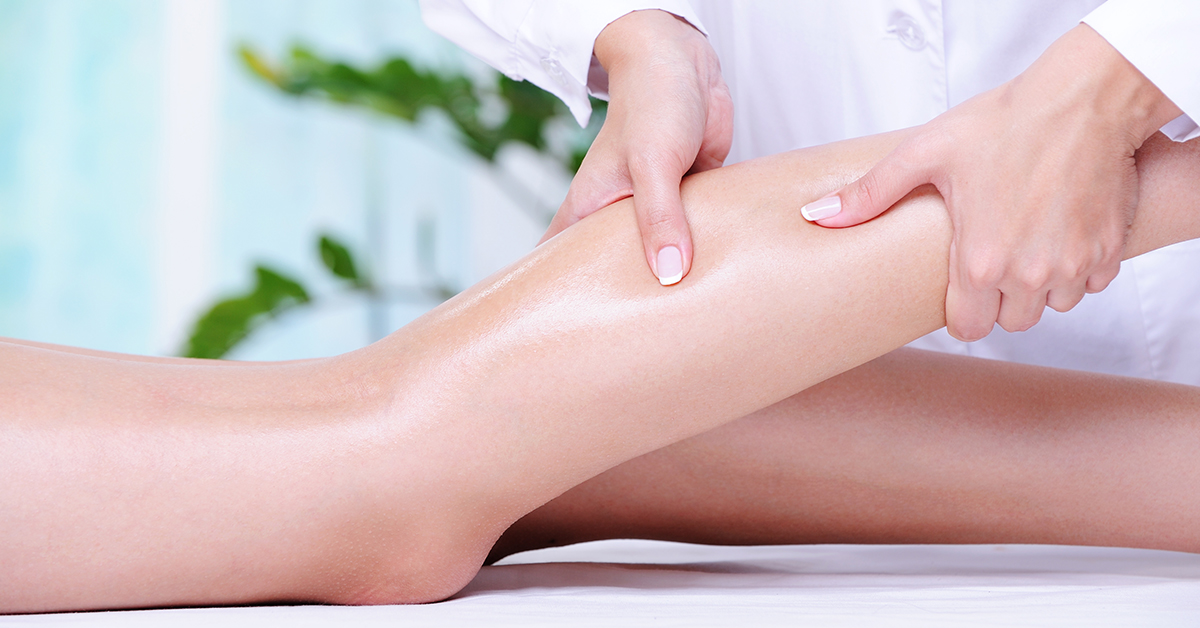
If you’ve ever felt a sharp, shooting pain running from your lower back down to your leg, you might be dealing with sciatica. It’s no picnic, that’s for sure. But here’s some good news: massage can be a real game-changer when it comes to easing that pesky sciatic nerve pain. Let’s dive into how you can give yourself (or someone else) a massage that targets this tricky area and brings some much-needed relief.
Understanding Sciatica: What’s the Big Deal?
Before we get our hands dirty (figuratively speaking), let’s talk about what sciatica actually is. Picture your sciatic nerve as a super highway running from your lower back, through your hips and buttocks, and down each leg. When this nerve gets pinched or irritated, it can cause pain that feels like anything from a mild ache to a burning sensation or even electric shocks. Ouch!
Common Causes of Sciatic Pain
Sciatic pain can pop up for various reasons. Some common culprits include:
- Herniated disks
- Bone spurs on the spine
- Spinal stenosis (narrowing of the spine)
- Piriformis syndrome (when a small muscle in the buttocks irritates the sciatic nerve)
Knowing what’s causing your pain can help you target your massage efforts more effectively. But remember, if you’re unsure about the source of your pain or it’s severe, it’s always best to check with a doctor first.
The Magic of Massage for Sciatic Pain
Now, you might be wondering, “How can rubbing my muscles help with nerve pain?” Well, it’s not magic, but it sure can feel like it sometimes. Massage works wonders for sciatic pain in several ways:
Relaxing Tight Muscles
When muscles are tight, they can put pressure on the sciatic nerve. Massage helps loosen these muscles, taking the pressure off the nerve and giving it some breathing room.
Improving Circulation
Good blood flow is crucial for healing. Massage boosts circulation, bringing fresh oxygen and nutrients to the affected areas and helping to flush out inflammatory substances.
Releasing Endorphins
Ever heard of a runner’s high? Well, massage can give you a similar effect. It triggers the release of endorphins, your body’s natural pain relievers and mood boosters.
Getting Started: Preparing for Your Sciatic Massage
Before you start kneading away, there are a few things you’ll want to do to set yourself up for success:
Create a Comfortable Environment
Find a quiet, warm space where you won’t be disturbed. You want to be able to relax fully without worrying about the kids barging in or the dog deciding it’s playtime.
Gather Your Supplies
You don’t need fancy equipment, but a few items can help:
- A firm surface (like a yoga mat or carpeted floor)
- A pillow for support
- Massage oil or lotion
- A tennis ball or foam roller (optional but helpful)
Warm Up Your Muscles
Take a warm shower or use a heating pad on the affected area for about 10 minutes. This will help your muscles relax and make them more receptive to massage.
Massage Techniques for Sciatic Pain Relief
Alright, let’s get to the good stuff. Here are some massage techniques you can try to ease that sciatic pain:
1. The Glute Press
Lie on your back with your knees bent. Cross the ankle of your affected side over the opposite knee. Use your hands to gently pull the knee towards your chest until you feel a stretch in your buttock. Hold for 30 seconds, then slowly press your hands into the back of your thigh and buttock, massaging deeply for another 30 seconds.
2. The Tennis Ball Trick
Lie on your back with a tennis ball under your lower back or buttock. Slowly roll over the ball, pausing on any tender spots. Breathe deeply and try to relax into the pressure. Spend about 3-5 minutes on each area.
3. The Figure-Eight Stroke
Using your thumbs or the heel of your hand, make figure-eight movements along your lower back and buttocks. Start gently and gradually increase pressure as you become more comfortable.
4. The Long Stroke
With flat hands, stroke firmly from your lower back down to your feet, following the path of the sciatic nerve. This can help improve circulation along the entire nerve pathway.
Targeting Specific Areas
Different areas along the sciatic nerve pathway might need more attention. Let’s break it down:
Lower Back Massage
Use your fingertips or knuckles to make small, circular motions on either side of your spine. Be gentle – this area can be sensitive!
Piriformis Massage
The piriformis muscle is a common troublemaker when it comes to sciatica. To target it, lie on your side and use your elbow or a tennis ball to apply pressure to the outer part of your buttock.
Hamstring and Calf Massage
Sit on the floor with your legs extended. Use your hands to knead and stroke your hamstrings and calves, working from the back of your knee down to your ankle.
When to Be Cautious
While massage can be incredibly helpful, there are times when you should hold off or seek professional help:
- If you have severe pain or numbness
- If you’ve recently had an injury or surgery
- If you have a fever or skin infection
- If you’re pregnant (some massage techniques might not be safe)
When in doubt, always check with your doctor or a licensed massage therapist.
Complementary Treatments for Sciatica
Massage is great, but it’s not the only tool in the toolbox. Here are some other things you can try alongside your massage routine:
Stretching Exercises
Gentle stretches can help relieve pressure on the sciatic nerve. Try the seated piriformis stretch or the standing hamstring stretch.
Heat and Cold Therapy
Alternating between heat and cold can help reduce inflammation and soothe sore muscles. Use a heating pad for 15-20 minutes, then switch to an ice pack for 10-15 minutes.
Yoga
Certain yoga poses, like Child’s Pose and Cat-Cow, can help stretch and strengthen the muscles that support your lower back.
Making Massage a Regular Part of Your Routine
Consistency is key when it comes to managing sciatic pain. Try to set aside time for self-massage or partner massage a few times a week. Even 10-15 minutes can make a big difference!
Creating a Massage Schedule
Pick a time of day when you’re usually relaxed and free from distractions. Maybe it’s right before bed or after your morning shower. Stick to your schedule as much as possible to form a habit.
Listening to Your Body
Pay attention to how your body responds to different massage techniques. What feels good one day might not work as well the next. Be flexible and adjust your approach as needed.
When to Seek Professional Help
While self-massage can be incredibly effective, sometimes you need an expert touch. Consider seeing a professional massage therapist or physical therapist if:
- Your pain persists or worsens despite home treatments
- You’re not sure if you’re using the right techniques
- You want a more targeted, deep-tissue approach
A professional can also teach you new techniques to use at home and may spot issues you’ve missed.
Conclusion
Living with sciatic pain isn’t fun, but massage can be a powerful tool in your pain management arsenal. By understanding the causes of your pain and learning the right techniques, you can take control of your comfort and well-being. Remember, consistency is key, and it’s okay to ask for help when you need it. With patience and practice, you might just find that those shooting pains become a thing of the past. So go ahead, give those muscles some love – your sciatic nerve will thank you!
Can massage make sciatica worse?
While massage is generally helpful for sciatica, overly aggressive techniques or massaging an inflamed area can potentially make symptoms worse. Always start gently and stop if you experience increased pain. If you’re unsure, it’s best to consult with a professional massage therapist or your doctor.
How often should I massage for sciatic pain?
For most people, massaging 2-3 times a week can be beneficial. However, listen to your body – if you feel sore after a massage, give yourself a day or two to recover. Consistency is more important than frequency, so find a schedule that works for you and stick to it.
Is it better to use heat or cold for sciatic pain?
Both heat and cold can be helpful for sciatic pain, but at different times. Use heat before massage to relax muscles and improve flexibility. Apply cold after massage or when pain is acute to reduce inflammation. Some people find alternating between heat and cold (known as contrast therapy) to be particularly effective.
What’s the best position to sleep in with sciatica?
Sleeping on your side with a pillow between your knees can help alleviate pressure on the sciatic nerve. If you prefer sleeping on your back, try placing a pillow under your knees. Experiment to find what’s most comfortable for you, as everyone’s body is different.
Can certain foods help with sciatic pain?
While diet isn’t a cure for sciatica, some foods may help reduce inflammation. Try incorporating anti-inflammatory foods like turmeric, ginger, berries, and leafy greens into your diet. Staying hydrated is also important for overall muscle and nerve health. However, dietary changes should complement, not replace, other treatments like massage and exercise.