Do Massage Chairs Work for Recovery
Massage chairs can be effective for recovery, providing relief from muscle soreness, reducing stress, and improving circulation. While not a substitute for professional massage therapy, they offer convenient at-home relief for many people.
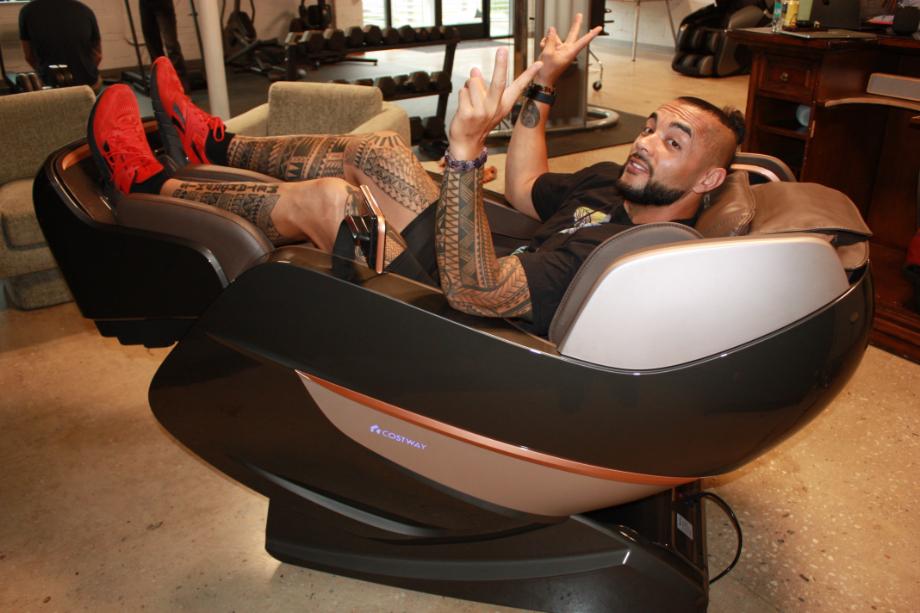
If you’re like me, you’ve probably wondered whether those fancy massage chairs actually do anything for recovery. Well, I’ve done the research and tested them out, and I’m here to share what I’ve learned. Let’s dive into the world of massage chairs and see if they’re worth your time and money when it comes to recovery.
What Are Massage Chairs?
Before we get into the nitty-gritty, let’s talk about what massage chairs actually are. Think of them as your personal masseuse, but in chair form. They use various techniques like kneading, rolling, and tapping to mimic the hands of a massage therapist. Pretty cool, right?
How Do Massage Chairs Work?
Massage chairs aren’t just comfy recliners with a bit of vibration. They’re actually pretty high-tech. Most modern massage chairs use a combination of rollers, airbags, and heating elements to work their magic. The rollers move up and down your back, while airbags inflate and deflate to apply pressure to different parts of your body.
The Science Behind Massage and Recovery
Now, you might be thinking, “That sounds nice, but does it actually help with recovery?” Let’s look at what science has to say about massage and recovery in general.
Muscle Soreness and Massage
Have you ever felt like your muscles were screaming at you after a tough workout? That’s called Delayed Onset Muscle Soreness (DOMS), and massage can help with that. Studies have shown that massage can reduce muscle soreness and improve recovery time after exercise.
Circulation and Massage
Massage also boosts circulation. It’s like giving your blood a little nudge to get moving. Better circulation means more oxygen and nutrients get to your muscles, which can speed up recovery.
Do Massage Chairs Provide These Benefits?
So, we know massage is good for recovery, but can a chair really do the job? Let’s break it down.
Muscle Tension Relief
Massage chairs can definitely help loosen up tight muscles. The kneading and rolling motions work out knots and tension, just like a real massage would. It’s not exactly the same as human hands, but it’s pretty darn close.
Improved Circulation
The pressure from the rollers and airbags in a massage chair can boost blood flow. It’s like giving your circulatory system a little workout. This improved blood flow can help speed up recovery by getting more oxygen to your tired muscles.
Stress Reduction
Let’s not forget about mental recovery. Stress can really slow down your physical recovery. Massage chairs can help you relax and reduce stress levels. It’s like a mini-vacation for your mind and body.
Comparing Massage Chairs to Professional Massage
Now, you might be wondering how massage chairs stack up against a real, human massage therapist. Let’s compare the two.
Pros of Massage Chairs
- Convenience: You can use them anytime, right in your own home.
- Cost-effective in the long run: No need to pay for individual sessions.
- Consistency: They provide the same massage every time.
Cons of Massage Chairs
- Less personalized: They can’t adjust to your specific needs like a human can.
- Limited techniques: They have a set number of massage styles.
- No human touch: Some people prefer the warmth of human hands.
Types of Massage Chairs for Recovery
Not all massage chairs are created equal. Let’s look at some different types that might help with recovery.
Full-Body Massage Chairs
These are the heavy hitters of the massage chair world. They work on your whole body from head to toe. If you’re looking for overall recovery, these might be your best bet.
Shiatsu Massage Chairs
Shiatsu massage chairs mimic the Japanese massage technique of applying pressure to specific points on the body. They’re great for targeting particular areas that need recovery.
Zero Gravity Massage Chairs
These chairs recline you into a position where your feet are elevated above your heart. This position, combined with massage, can really help with circulation and recovery.
How to Use a Massage Chair for Recovery
Alright, so you’re convinced that a massage chair might help with recovery. But how do you use one effectively? Here are some tips:
Timing Is Key
Use your massage chair right after a workout or on your rest days. This is when your body needs recovery the most.
Don’t Overdo It
More isn’t always better. Stick to 15-20 minute sessions, 2-3 times a week. Your body needs time to respond to the massage.
Stay Hydrated
Drink plenty of water before and after your massage chair session. It helps flush out toxins that get released during massage.
Who Can Benefit from Massage Chairs for Recovery?
Massage chairs can be helpful for a wide range of people. Let’s look at who might get the most benefit.
Athletes
If you’re hitting the gym hard or training for a marathon, a massage chair could be your new best friend. It can help speed up recovery between training sessions.
Office Workers
Sitting at a desk all day can wreak havoc on your body. A massage chair can help undo some of that damage and aid in recovery from the daily grind.
People with Chronic Pain
While it’s not a cure-all, some people with chronic pain find relief with regular use of a massage chair. It’s always best to check with your doctor first, though.
Potential Drawbacks of Using Massage Chairs for Recovery
Now, I wouldn’t be giving you the full picture if I didn’t mention some potential downsides. Let’s look at a few things to consider.
Not a Substitute for Medical Treatment
If you have a serious injury or medical condition, a massage chair isn’t going to fix it. Always consult with a healthcare professional for proper treatment.
Possibility of Overuse
It’s easy to think “if some is good, more must be better,” but that’s not the case with massage chairs. Overuse can actually lead to soreness or bruising.
Cost
Good massage chairs aren’t cheap. While they can be cost-effective in the long run, the initial investment can be significant.
Alternatives to Massage Chairs for Recovery
Maybe you’re not sold on massage chairs, or perhaps you want to supplement their use. Here are some other recovery methods to consider:
Foam Rolling
This is like giving yourself a massage. It’s cheaper than a massage chair and can be very effective for targeting specific areas.
Stretching
Never underestimate the power of a good stretch. It’s free, easy to do anywhere, and great for recovery.
Hot and Cold Therapy
Alternating between hot and cold treatments can help reduce inflammation and speed up recovery.
Conclusion
So, do massage chairs work for recovery? The short answer is yes, they can be helpful. They offer many of the benefits of massage therapy, like improved circulation and muscle tension relief, which can aid in recovery. However, they’re not a magic solution. They work best as part of a broader recovery strategy that includes proper nutrition, hydration, and rest.
If you’re someone who exercises regularly, deals with muscle soreness or tension, or just wants to improve your overall recovery, a massage chair could be a worthwhile investment. Just remember to use it wisely, and don’t expect it to replace all other forms of recovery or medical treatment.
At the end of the day, listening to your body is key. If a massage chair makes you feel better and helps you recover faster, then it’s doing its job. And hey, even if it’s just helping you relax after a long day, that’s a win in my book!
Are massage chairs as effective as human massage for recovery?
While massage chairs can be beneficial, they’re generally not considered as effective as human massage for recovery. Human massage therapists can adjust their techniques based on your feedback and target specific problem areas more precisely. However, massage chairs offer convenience and consistency that can make them a useful tool in your recovery arsenal.
How often should I use a massage chair for recovery?
For recovery purposes, using a massage chair 2-3 times a week for 15-20 minutes per session is usually sufficient. However, this can vary depending on your individual needs and activity level. It’s important not to overuse the chair, as this could potentially lead to soreness or bruising.
Can massage chairs help with muscle knots?
Yes, massage chairs can help with muscle knots. The kneading and rolling actions of the chair can help to break up knots and relieve muscle tension. However, for particularly stubborn knots, you might still need the targeted attention of a human massage therapist.
Are there any people who shouldn’t use massage chairs for recovery?
While massage chairs are generally safe, certain people should avoid them or consult a doctor first. This includes pregnant women, people with osteoporosis, those with recent injuries or surgeries, and individuals with certain heart conditions. Always check with your healthcare provider if you’re unsure.
Can massage chairs replace post-workout stretching?
While massage chairs can complement your post-workout recovery routine, they shouldn’t replace stretching. Stretching helps improve flexibility and range of motion in ways that massage chairs can’t. For best results, consider using both stretching and massage chair sessions in your recovery plan.