
Best Treatment for Sciatica at Home
Sciatica treatment at home typically includes rest, gentle stretches, over-the-counter pain relievers, and applying heat or ice. These methods can help reduce inflammation and alleviate pain associated with sciatic nerve compression.
The best treatment for sciatica at home involves a combination of self-care techniques, including stretching exercises, hot and cold therapy, and maintaining proper posture. Consistency in these practices can lead to significant pain relief and improved mobility.
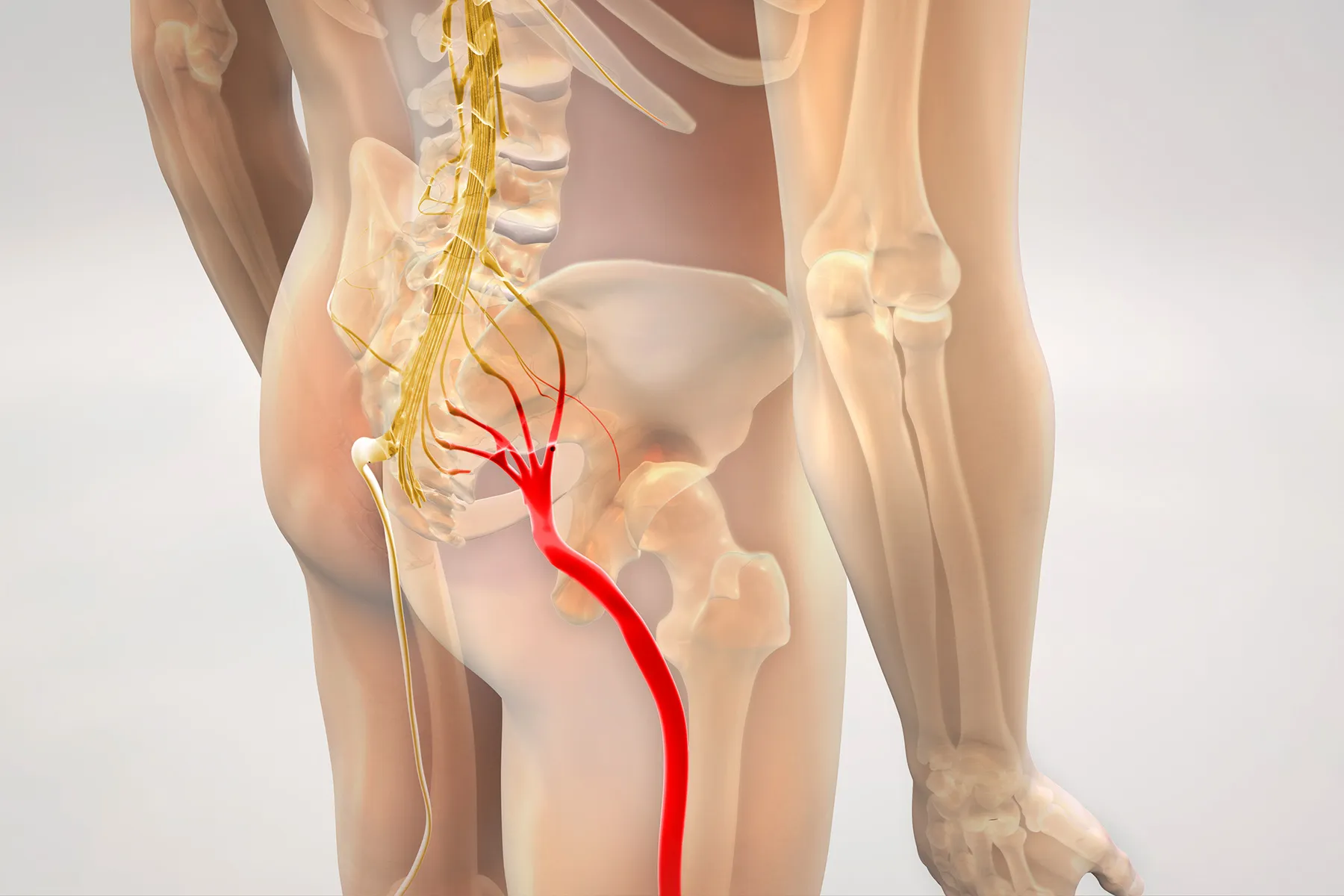
Understanding Sciatica: A Common yet Painful Condition
Have you ever felt a sharp, shooting pain that starts in your lower back and travels down your leg? If so, you might be dealing with sciatica. It’s a condition that affects millions of people worldwide, and while it can be incredibly uncomfortable, there are ways to manage it right from the comfort of your home.
Sciatica occurs when the sciatic nerve, which runs from your lower back down to your feet, gets compressed or irritated. This can happen for various reasons, like a herniated disk or bone spur in the spine. The result? Pain that can range from a mild ache to a burning sensation that makes it hard to even move.
Why Home Treatment for Sciatica Matters
You might be wondering, “Why should I bother with home treatments? Shouldn’t I just see a doctor?” Well, while medical intervention is sometimes necessary, many cases of sciatica can be effectively managed at home. Plus, these treatments are often cheaper, more convenient, and have fewer side effects than some medical options.
The Benefits of Home Treatment
- Cost-effective
- Convenient
- Fewer side effects
- Empowers you to take control of your health
Top Home Remedies for Sciatica Relief
Let’s dive into some of the best ways to treat sciatica at home. Remember, what works best can vary from person to person, so don’t be afraid to try different methods to find what suits you.
1. Stretching Exercises
Stretching is like giving your sciatic nerve a nice, gentle massage. It can help relieve pressure and promote healing. Here are a few simple stretches you can try:
Knee to Chest Stretch
Lie on your back, pull one knee to your chest, and hold for 30 seconds. Repeat with the other leg. This stretch can help loosen tight lower back muscles that might be pressing on your sciatic nerve.
Seated Piriformis Stretch
Sit on a chair with your affected leg crossed over the other. Gently lean forward, keeping your back straight. Hold for 30 seconds. This targets the piriformis muscle, which can sometimes compress the sciatic nerve.
2. Hot and Cold Therapy
Think of this as a temperature dance for your pain. Alternating between heat and cold can help reduce inflammation and soothe sore muscles.
Cold Therapy
Apply an ice pack to the painful area for 15-20 minutes every 2-3 hours. It’s like putting out the fire of inflammation. Wrap the ice pack in a thin towel to protect your skin.
Heat Therapy
After the first 48-72 hours, switch to heat. Use a heating pad or take a warm bath. Heat increases blood flow, which can speed up healing and relax tense muscles.
3. Over-the-Counter Pain Relievers
Sometimes, you need a little extra help to manage the pain. Over-the-counter medications can be your allies in this fight against sciatica.
- Ibuprofen (Advil, Motrin)
- Naproxen (Aleve)
- Acetaminophen (Tylenol)
These medications can help reduce inflammation and pain. But remember, they’re not a long-term solution, and it’s always best to consult with a healthcare provider before starting any new medication regimen.
4. Proper Posture and Ergonomics
Your mom was right – good posture matters! Poor posture can put extra pressure on your spine and sciatic nerve. Here are some tips to keep your spine happy:
Sitting
Use a chair with good lower back support. Keep your knees and hips level, and your feet flat on the floor. It’s like giving your spine a comfortable throne to sit on.
Sleeping
Sleep on a firm mattress. If you’re a side sleeper, place a pillow between your knees to keep your spine aligned. Back sleepers can put a pillow under their knees. Think of it as tucking your spine in for a good night’s rest.
5. Gentle Exercise
While rest is important, staying active can actually help with sciatica. Gentle exercises can strengthen the muscles that support your back and improve flexibility.
Walking
Start with short walks and gradually increase the distance. It’s like taking your sciatic nerve for a pleasant stroll.
Swimming
The buoyancy of water takes pressure off your spine. It’s like giving your sciatic nerve a vacation from gravity.
6. Massage
Gentle massage can help relax tense muscles and improve blood flow. You can try self-massage or ask a friend or family member to help. Just remember to be gentle – we’re aiming for soothing, not torture!
7. Mindfulness and Relaxation Techniques
Believe it or not, your mind can play a big role in how you experience pain. Stress and tension can make sciatica worse. Try these techniques to calm your mind and body:
Deep Breathing
Take slow, deep breaths. Imagine you’re inflating a balloon in your belly as you inhale, and deflating it as you exhale. It’s like a mini-vacation for your nervous system.
Meditation
Spend a few minutes each day focusing on your breath or a calming image. It’s like hitting the pause button on your pain.
When to Seek Medical Help
While home treatments can be very effective, there are times when you should consult a healthcare provider. If you experience any of the following, it’s time to make that call:
- Severe pain that doesn’t improve with home treatment
- Weakness or numbness in your leg
- Loss of bladder or bowel control
- Fever along with back pain
Preventing Future Sciatica Flare-Ups
Once you’ve got your sciatica under control, you’ll want to keep it that way. Here are some tips to prevent future episodes:
Regular Exercise
Keep your core and back muscles strong. It’s like building a protective shield for your spine.
Maintain a Healthy Weight
Extra weight puts more stress on your spine. Keeping a healthy weight is like lightening the load on your back.
Practice Good Posture
Be mindful of your posture throughout the day. It’s like giving your spine a constant hug.
Lift Properly
Bend your knees and keep the object close to your body when lifting. It’s like being your own personal crane operator.
Conclusion
Dealing with sciatica can be tough, but with these home treatments, you have a powerful toolkit at your disposal. Remember, consistency is key. These aren’t quick fixes, but rather lifestyle changes that can lead to long-term relief. Be patient with yourself and your body as you work through these treatments.
Everyone’s experience with sciatica is unique, so what works best for you might be different from what works for someone else. Don’t be afraid to mix and match these treatments to find your perfect pain-relief recipe. And always listen to your body – if something doesn’t feel right, stop and consult with a healthcare provider.
With time, patience, and these home remedies, you can take control of your sciatica and get back to living your life to the fullest. Here’s to less pain and more living!
What is the main cause of sciatica?
Sciatica is typically caused by compression or irritation of the sciatic nerve. This can happen due to various reasons, including herniated disks, bone spurs on the spine, or spinal stenosis (narrowing of the spine). Sometimes, conditions like piriformis syndrome, where a small muscle in the buttocks compresses the sciatic nerve, can also cause sciatica.
How long does sciatica usually last?
The duration of sciatica can vary widely depending on the cause and severity. Acute sciatica episodes often resolve within 4-6 weeks with proper care. However, some people may experience chronic sciatica that lasts for months or even years. Consistent home treatment and lifestyle changes can help manage symptoms and reduce the duration of flare-ups.
Can sciatica go away on its own?
Yes, sciatica can often resolve on its own, especially with proper self-care. Many people find that their symptoms improve within a few weeks of starting home treatments. However, it’s important to be patient and consistent with your care routine. If symptoms persist or worsen despite home treatment, it’s advisable to consult a healthcare provider.
Is walking good for sciatica?
Walking can be beneficial for many people with sciatica. It’s a low-impact exercise that can help strengthen the muscles supporting your spine, improve flexibility, and promote blood flow to the affected area. Start with short, gentle walks and gradually increase the duration as you feel comfortable. However, if walking increases your pain, stop and consult with a healthcare provider.
What foods should I avoid with sciatica?
While there’s no one-size-fits-all diet for sciatica, some people find that certain foods can increase inflammation and potentially worsen symptoms. Foods to consider limiting include processed foods, sugary drinks, red meat, and foods high in trans fats. Instead, focus on a balanced diet rich in fruits, vegetables, whole grains, and lean proteins. Some people also find that reducing or eliminating dairy and gluten helps their symptoms.