
Are Massage Chairs Safe for Back Injuries
Massage chairs are generally safe for most back injuries, but it’s crucial to consult a doctor before use. They can provide relief for some conditions, but may aggravate others, so professional medical advice is essential for those with back injuries.
For individuals with back injuries, massage chairs offer potential benefits but also carry risks. Always consult a healthcare provider before using a massage chair if you have a back injury to ensure it’s appropriate for your specific condition.
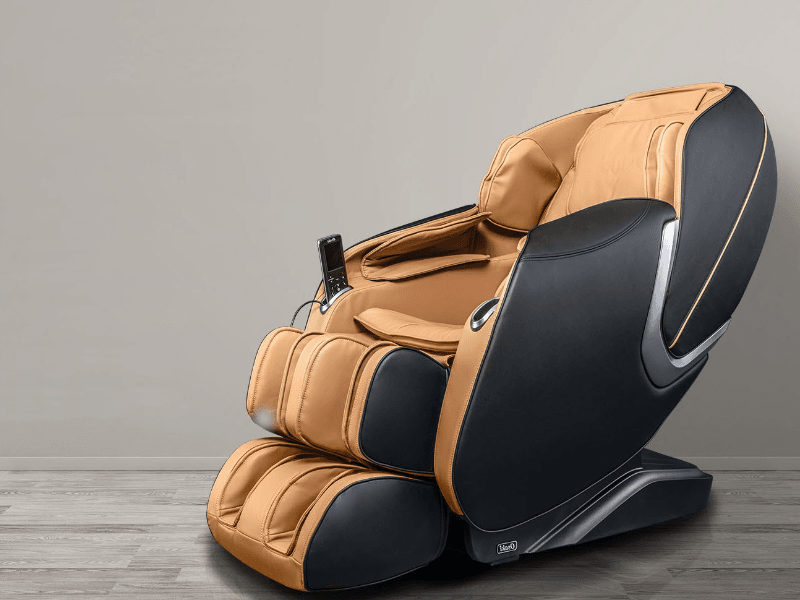
Understanding Massage Chairs and Back Injuries
When you’re dealing with a back injury, finding relief can feel like searching for a needle in a haystack. Massage chairs often pop up as a potential solution, but are they really safe? Let’s dive into this topic and explore the ins and outs of using massage chairs when you’re nursing a sore back.
What Exactly Are Massage Chairs?
Think of massage chairs as your personal masseuse, always ready to work out those kinks. These nifty contraptions use motors and gears to mimic the movements of human hands, kneading and rolling your muscles to help you relax and ease tension.
The Allure of Massage Chairs for Back Pain
It’s no wonder folks with back injuries are drawn to massage chairs. The promise of on-demand relief without having to book an appointment or leave your home is pretty tempting. But before you rush out to buy one, let’s look at how these chairs might affect your back injury.
Potential Benefits of Massage Chairs for Back Injuries
Massage chairs aren’t just about feeling good (though that’s a nice perk). They can offer some real benefits for certain types of back injuries. Here’s what you might gain:
Improved Blood Circulation
When you sit in a massage chair, it’s like giving your circulatory system a gentle nudge. The massaging action can help boost blood flow, which might speed up healing in injured areas of your back.
Muscle Relaxation
Tight muscles can be a real pain in the… well, back. Massage chairs work to loosen up those tense spots, potentially easing discomfort and improving mobility.
Pain Relief
For some people, a session in a massage chair can dial down the pain. It’s like hitting the mute button on your aches, even if just for a little while.
Stress Reduction
Let’s face it, being in pain is stressful. Massage chairs can help you unwind, which might indirectly help your back feel better too.
Possible Risks and Concerns
Now, don’t get me wrong – massage chairs aren’t a magic fix for everyone. There are some potential downsides to consider:
Aggravation of Certain Conditions
Some back injuries might not play nice with massage chairs. If you’ve got a herniated disk or fracture, for instance, the pressure from a massage chair could make things worse.
Overuse and Dependency
It’s easy to get hooked on the relief a massage chair provides. But relying on it too much might mask underlying issues that need proper medical attention.
Improper Settings
Using a massage chair with settings that are too intense for your condition could lead to more harm than good. It’s like trying to hammer a nail with a sledgehammer – overkill and potentially damaging.
When Massage Chairs Might Help
So, when might a massage chair be a good idea for back injuries? Here are some scenarios where they could be beneficial:
Muscle Strains and Sprains
If you’ve pulled a muscle in your back, gentle massage from a chair might help ease the tension and speed up recovery.
Chronic Low Back Pain
For ongoing, dull aches in your lower back, regular sessions in a massage chair could provide some relief.
Post-Workout Soreness
After a tough gym session, a massage chair could help soothe those achy muscles and reduce stiffness.
When to Avoid Massage Chairs
On the flip side, there are times when you should steer clear of massage chairs:
Acute Injuries
If you’ve just hurt your back, it’s best to wait until the initial inflammation goes down before using a massage chair.
Fractures or Structural Issues
Got a broken bone or spinal misalignment? A massage chair could make these conditions worse.
Nerve Impingement
If you’re dealing with pinched nerves, the pressure from a massage chair might aggravate the problem.
Safety Tips for Using Massage Chairs with Back Injuries
If you’ve got the green light from your doctor to use a massage chair, here are some tips to keep in mind:
Start Slow and Gentle
Don’t jump into the most intense setting right away. Begin with the gentlest option and gradually increase as your body adjusts.
Listen to Your Body
If something doesn’t feel right, stop. Your body knows best, so pay attention to any discomfort or pain.
Set Time Limits
Avoid marathon sessions in the massage chair. Stick to shorter periods, maybe 15-20 minutes at a time.
Stay Hydrated
Drink plenty of water before and after using the massage chair. It helps flush out any toxins released during the massage.
Choosing the Right Massage Chair for Back Injuries
If you’re in the market for a massage chair to help with your back injury, here’s what to look for:
Adjustable Settings
A chair with various intensity levels and massage types will let you customize your experience to suit your needs.
Targeted Massage Areas
Look for chairs that allow you to focus on specific areas of your back where you need the most help.
User Reviews
Check out what other people with similar back issues have to say about different models.
Alternatives to Massage Chairs for Back Injuries
If you’re not sure about using a massage chair, or your doctor advises against it, there are other options to explore:
Physical Therapy
Working with a trained professional can provide targeted exercises and treatments for your specific back injury.
Yoga and Stretching
Gentle stretching and yoga can help improve flexibility and strength in your back muscles.
Hot and Cold Therapy
Alternating between heat and ice can help reduce pain and inflammation in injured areas.
The Importance of Professional Advice
I can’t stress this enough – before you start using a massage chair for your back injury, talk to your doctor or a physical therapist. They can give you personalized advice based on your specific condition.
Conclusion
So, are massage chairs safe for back injuries? The answer isn’t a simple yes or no. For some people, they can be a helpful tool in managing back pain and promoting recovery. For others, they might do more harm than good. The key is to approach them with caution, get professional medical advice, and listen to your body. Remember, your back health is too important to gamble with, so always err on the side of caution and seek expert guidance.
Are massage chairs recommended for all types of back injuries?
No, massage chairs aren’t suitable for all back injuries. They may help with muscle strains or chronic low back pain, but could worsen conditions like herniated disks or spinal fractures. Always consult a healthcare professional before using a massage chair for a back injury.
How often should I use a massage chair for my back injury?
The frequency of use depends on your specific condition and your doctor’s recommendations. Generally, starting with short 15-20 minute sessions a few times a week is a good approach. Adjust based on how your body responds and your healthcare provider’s advice.
Can using a massage chair make my back injury worse?
Yes, it’s possible. If used incorrectly or for the wrong type of injury, a massage chair could aggravate your condition. This is why it’s crucial to get professional medical advice before using one and to stop immediately if you experience increased pain or discomfort.
Are there any specific features I should look for in a massage chair for back injuries?
Look for chairs with adjustable intensity levels, targeted massage areas, and various massage techniques. Features like heat therapy and zero-gravity positioning can also be beneficial for some back conditions. However, the best features for you will depend on your specific injury and needs.
Can a massage chair replace professional medical treatment for back injuries?
No, a massage chair should not replace professional medical treatment. While it can be a helpful complementary tool, it’s not a substitute for proper medical care, physical therapy, or other treatments prescribed by your healthcare provider. Always use a massage chair as part of a comprehensive treatment plan supervised by a medical professional.