
How to Relieve Sciatica at Home
Sciatica can be relieved at home through gentle stretches, heat therapy, and over-the-counter pain relievers. Regular exercise, maintaining good posture, and using proper body mechanics when lifting objects can also help alleviate sciatic nerve pain and prevent future flare-ups.
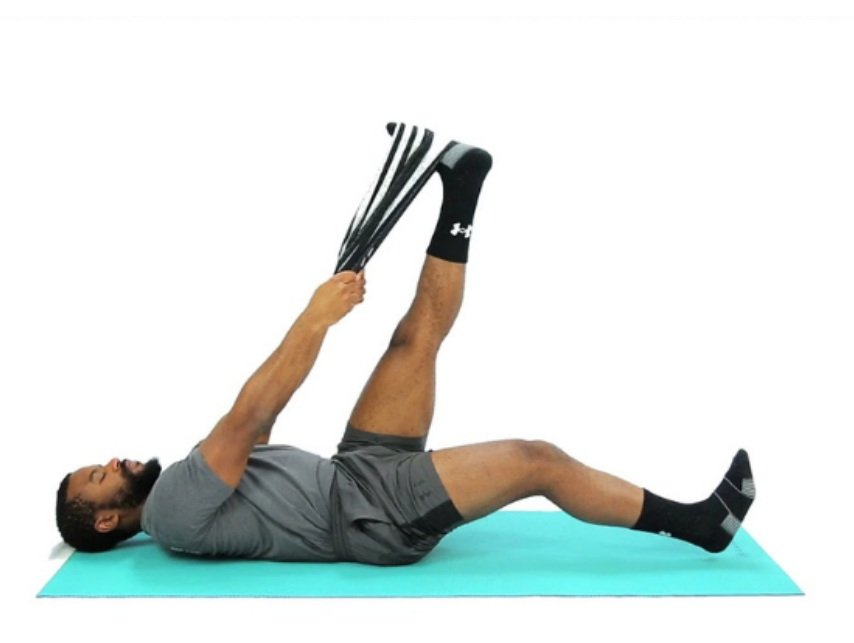
Understanding Sciatica and Its Impact on Daily Life
Sciatica is a pain in the neck – or rather, the lower back and leg. If you’ve ever felt a sharp, shooting pain that starts in your lower back and travels down your leg, you might be dealing with this pesky condition. It’s like having a tiny lightning bolt stuck in your body, zapping you with discomfort at the most inconvenient times.
But don’t worry, you’re not alone in this struggle. Lots of people deal with sciatica, and the good news is that there are ways to tackle it right at home. Before we dive into the solutions, let’s get a better grip on what we’re dealing with.
What Exactly is Sciatica?
Sciatica isn’t just a fancy medical term doctors throw around. It’s a real pain – literally. It happens when your sciatic nerve, which runs from your lower back down to your feet, gets pinched or irritated. Think of it as a garden hose with a kink in it. When that happens, the water (or in this case, the nerve signals) can’t flow smoothly, and that’s when the trouble starts.
Common Symptoms of Sciatica
How do you know if what you’re feeling is sciatica? Well, here are some telltale signs:
- A sharp pain that shoots from your lower back down your leg
- Numbness or tingling in your leg or foot
- Weakness in your leg or foot
- Pain that gets worse when you sit down
- A constant pain on one side of your rear
If you’re nodding your head thinking, “Yep, that’s me,” then you might be dealing with sciatica. But don’t panic! We’re about to explore some home remedies that can help you kick that pain to the curb.
Stretches to Ease Sciatic Pain
Now that we’ve got the basics down, let’s talk about one of the best ways to tackle sciatica at home: stretching. It’s like giving your body a nice, gentle massage from the inside out.
The Pigeon Pose
This yoga-inspired stretch is a real game-changer for sciatica sufferers. Here’s how to do it:
- Start on your hands and knees
- Bring your right knee forward towards your right wrist
- Extend your left leg behind you
- Gently lower your body down
- Hold for 15-30 seconds
- Switch sides and repeat
It might feel a bit awkward at first, but stick with it. Your body will thank you later!
The Standing Hamstring Stretch
This one’s super simple but oh-so-effective:
- Place your right foot on an elevated surface at or below your hip level
- Keep your leg straight and bend your body forward
- Hold for 30 seconds
- Switch legs and repeat
Remember, you’re aiming for a gentle stretch, not a gymnastics routine. If it hurts, ease off a bit.
The Seated Spinal Twist
This stretch feels like wringing out a wet towel, but for your spine:
- Sit on the floor with your legs extended
- Bend your right knee and place your foot to the outside of your left thigh
- Place your left elbow on the outside of your right knee
- Twist your body to the right
- Hold for 30 seconds
- Switch sides and repeat
This one’s great for giving your spine a gentle twist and stretch.
Heat Therapy for Sciatica Relief
After stretching, heat therapy is your next best friend in fighting sciatica. It’s like giving your sore muscles a warm, comforting hug.
Why Heat Therapy Works
Heat therapy isn’t just about feeling good (though that’s a nice bonus). It actually helps in several ways:
- Increases blood flow to the affected area
- Relaxes tight muscles
- Reduces pain signals to the brain
It’s like sending in a peace-keeping force to calm down the riot in your nerves.
DIY Heat Therapy Methods
You don’t need fancy equipment to try heat therapy at home. Here are some easy ways to get started:
Hot Water Bottle
Fill a hot water bottle with warm (not boiling) water and apply it to your lower back for 15-20 minutes.
Warm Bath
Soak in a warm bath for 20 minutes. Add some Epsom salts for extra relaxation if you like.
Heating Pad
If you have one, apply a heating pad to your lower back for 15-20 minutes at a time.
Remember, heat is your friend, but too much of a good thing can be bad. Don’t overdo it, and never fall asleep with a heating pad on.
Over-the-Counter Pain Relief Options
Sometimes, your body needs a little extra help to fight off pain. That’s where over-the-counter (OTC) pain relievers come in handy.
NSAIDs: Your First Line of Defense
Non-steroidal anti-inflammatory drugs (NSAIDs) are often the go-to for sciatica pain. They work by reducing inflammation and pain. Common NSAIDs include:
- Ibuprofen (Advil, Motrin)
- Naproxen (Aleve)
- Aspirin
These are like sending in a squad of tiny firefighters to put out the inflammation in your body.
Acetaminophen: Another Option
If NSAIDs don’t agree with you, acetaminophen (Tylenol) is another option. It doesn’t reduce inflammation but can help with pain relief.
Remember, always follow the dosage instructions on the package. These medications can be helpful, but they’re not meant for long-term use without a doctor’s supervision.
The Power of Good Posture
Your mom was right all along – good posture really is important, especially when you’re dealing with sciatica.
Sitting Pretty (and Pain-Free)
If you spend a lot of time sitting (and who doesn’t these days?), here are some tips to keep your spine happy:
- Keep your feet flat on the floor
- Use a small cushion or rolled towel to support your lower back
- Keep your shoulders relaxed, not hunched
- Take regular breaks to stand up and stretch
Think of good posture as a suit of armor for your spine, protecting it from the daily grind.
Standing Tall
When you’re on your feet, keep these points in mind:
- Keep your weight balanced on both feet
- Avoid locking your knees
- Keep your head up and shoulders back
Standing with good posture is like giving your spine a vacation from stress.
Exercising with Sciatica
You might think exercise is the last thing you need when you’re in pain, but gentle, regular movement can be a powerful weapon against sciatica.
Walking: The Simplest Exercise
Walking is like a magic pill for sciatica. It’s easy, free, and you can do it almost anywhere. Start with short walks and gradually increase your distance. It’s like taking your sciatic nerve for a gentle stroll to calm it down.
Swimming: Low-Impact Wonder
If you have access to a pool, swimming is fantastic for sciatica. The water supports your body weight, letting you move freely without putting stress on your back. It’s like giving your spine a mini-vacation in a tropical paradise.
Yoga: Flexibility and Strength
Yoga combines stretching, strengthening, and relaxation – a triple threat against sciatica. Just be sure to let your instructor know about your condition so they can suggest modifications if needed. Think of yoga as a gentle tune-up for your whole body.
Proper Body Mechanics for Lifting
How you move and lift things can make a big difference in managing sciatica. Let’s talk about how to be kind to your back when you’re moving stuff around.
The Right Way to Lift
Here’s a quick guide to lifting that your back will appreciate:
- Stand close to the object you’re lifting
- Bend at your knees, not your waist
- Tighten your core muscles
- Lift with your legs, not your back
- Hold the object close to your body
- Avoid twisting while lifting
Think of your legs as powerful cranes designed for lifting, and your back as the control center that should stay stable.
When to Ask for Help
Sometimes, the smartest move is to ask for a hand. If something feels too heavy or awkward to lift safely, don’t be a hero – get some help. Your back will thank you for it.
The Importance of a Good Night’s Sleep
Sleep isn’t just about feeling rested – it’s crucial for healing and managing pain, including sciatica.
Finding the Right Sleeping Position
The way you sleep can make a big difference in how you feel. Here are some positions to try:
- On your side with a pillow between your knees
- On your back with a pillow under your knees
- In a reclined position, if that feels comfortable
Experiment to find what works best for you. It’s like finding the perfect key to unlock a good night’s sleep.
Creating a Sleep-Friendly Environment
Set the stage for good sleep:
- Use a supportive mattress and pillow
- Keep your room cool and dark
- Limit screen time before bed
- Stick to a regular sleep schedule
Think of your bedroom as a cozy retreat where your body can relax and heal.
Diet and Sciatica: What You Eat Matters
You might not think your diet has much to do with sciatica, but what you eat can actually impact inflammation and pain in your body.
Anti-Inflammatory Foods
Some foods can help fight inflammation, which may ease your sciatica symptoms. Try incorporating more of these into your diet:
- Fatty fish (like salmon or mackerel)
- Berries
- Leafy greens
- Nuts and seeds
- Olive oil
Think of these foods as your body’s natural firefighters, helping to put out the flames of inflammation.
Foods to Limit
On the flip side, some foods might make inflammation worse:
- Sugary foods and drinks
- Processed foods
- Trans fats
- Excessive alcohol
Consider these as fuel for the fire of inflammation – best to use sparingly.
Stress Management and Sciatica
Stress isn’t just in your head – it can make physical pain, including sciatica, feel worse. Learning to manage stress can be a powerful tool in your sciatica-fighting toolkit.
Deep Breathing Exercises
Taking slow, deep breaths can help relax your body and mind. Try this simple technique:
- Breathe in slowly through your nose for 4 counts
- Hold your breath for 4 counts
- Exhale slowly through your mouth for 4 counts
- Repeat for 5-10 minutes
It’s like giving your nervous system a mini-vacation, helping to calm pain signals.
Mindfulness Meditation
Mindfulness can help you manage pain by changing how your brain processes it. Here’s a simple way to start:
- Find a quiet, comfortable place to sit
- Close your eyes and focus on your breath
- When your mind wanders, gently bring it back to your breath
- Start with 5 minutes and gradually increase
Think of mindfulness as a gym for your brain, strengthening its ability to cope with pain and stress.
When to Seek Professional Help
While home remedies can be very effective, there are times when it’s important to get a doctor involved.
Red Flags to Watch For
See a doctor if you experience any of these symptoms:
- Severe pain that doesn’t improve with rest
- Weakness or numbness in your leg
- Loss of bladder or bowel control
- Fever along with back pain
- Pain following a severe injury
These could be signs of a more serious condition that needs medical attention.
Types of Professional Treatment
If home remedies aren’t cutting it, your doctor might suggest:
- Physical therapy
- Prescription medications
- Steroid injections
- In rare cases, surgery
Think of these as bringing in the big guns when your home arsenal isn’t enough.
Conclusion
Dealing with sciatica can feel like a full-time job, but with these home remedies, you’ve got a solid toolkit to tackle the pain. Remember, the key is to be patient and consistent. Mix and match these techniques to find what works best for you. Your body is unique, and what works for someone else might not be your cup of tea.
Don’t get discouraged if you don’t see results overnight. Healing takes time, and every small step you take is progress. Keep at it, listen to your body, and don’t hesitate to reach out to a healthcare professional if things aren’t improving.
With a bit of patience and these home remedies in your back pocket, you’ll be well on your way to showing sciatica the door. Here’s to pain-free days ahead!
What causes sciatica?
Sciatica is often caused by a herniated disk, bone spur on the spine, or narrowing of the spine (spinal stenosis) compressing part of the sciatic nerve. Less common causes include tumors or injuries. Factors like obesity, prolonged sitting, and age can increase your risk.
How long does sciatica usually last?
Sciatica episodes typically last between 4 to 6 weeks. However, this can vary greatly depending on the underlying cause and individual factors. Some people may experience relief within a few days, while others might have symptoms that persist for several months.
Can sciatica go away on its own?
Yes, sciatica often resolves on its own with time and proper self-care. Many people find their symptoms improve within a few weeks using home remedies like stretching, heat therapy, and over-the-counter pain relievers. However, if symptoms persist or worsen, it’s important to consult a healthcare provider.
Is walking good for sciatica?
Walking can be very beneficial for sciatica. It’s a low-impact exercise that can help strengthen the muscles supporting your spine, improve flexibility, and increase blood flow to the affected area. Start with short, gentle walks and gradually increase your distance as you feel comfortable. However, if walking increases your pain, stop and consult your doctor.
What foods should I avoid with sciatica?
While there’s no one-size-fits-all diet for sciatica, some foods may increase inflammation and potentially worsen symptoms. These include sugary foods and drinks, processed foods, trans fats, and excessive alcohol. Some people also find that nightshade vegetables (like tomatoes and eggplants) or dairy products can trigger inflammation. It’s best to focus on a balanced diet rich in anti-inflammatory foods and pay attention to how your body responds to different foods.