
Why Do Massage Chairs Roll Up and Down
Massage chairs roll up and down to simulate the motion of human hands during a massage. This movement, known as the massage stroke, helps to target different areas of the back, providing relief and relaxation to muscles along the spine.
The rolling motion in massage chairs is designed to mimic the kneading and stroking techniques used by massage therapists. This movement helps distribute pressure evenly across the back, improving circulation and reducing muscle tension.
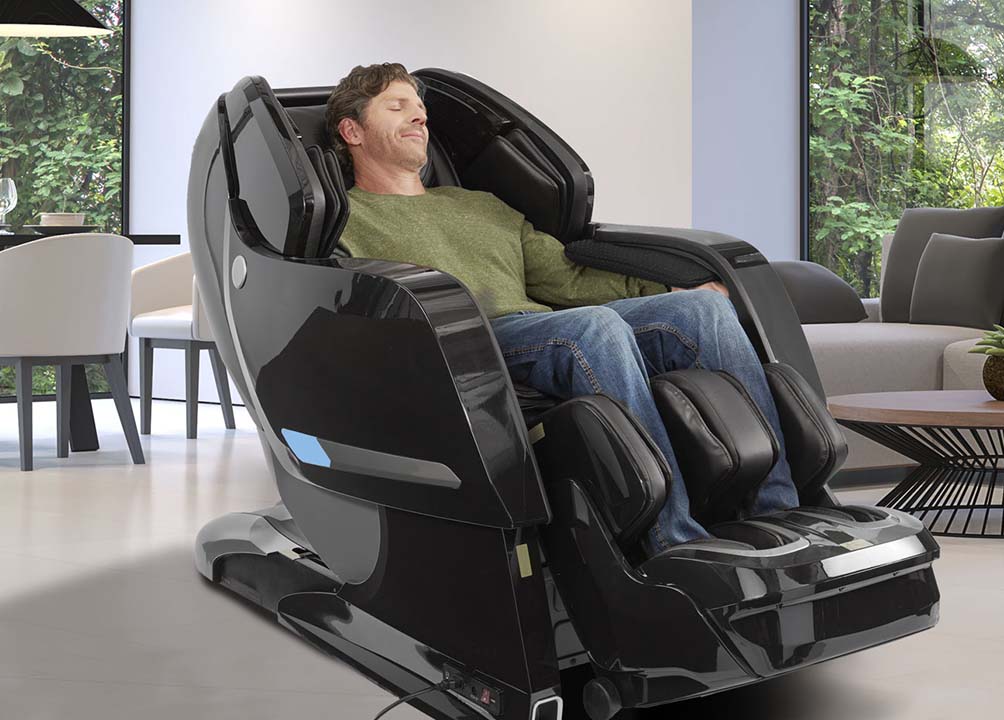
The Mechanics Behind the Rolling Motion
Have you ever wondered why massage chairs seem to have a life of their own, rolling up and down your back? It’s not magic, but it’s pretty close! Let’s dive into the fascinating world of massage chair mechanics and uncover the secrets behind that soothing up-and-down motion.
The Roller System: The Heart of the Chair
At the core of every massage chair is a clever roller system. Think of it as the chair’s backbone – quite literally! This system consists of a set of rollers attached to a track that runs along the length of the chair’s backrest. But how does it work?
Motors and Gears: The Driving Force
The rolling motion doesn’t happen by itself. It’s powered by small but mighty electric motors. These motors are connected to a series of gears that control the movement of the rollers. When you turn on the chair, these motors spring into action, setting the gears in motion and starting the rollers on their journey up and down your back.
Tracks and Guides: Keeping Things on Course
The rollers don’t just move randomly. They follow a predetermined path thanks to a system of tracks and guides. These tracks ensure that the rollers stay in the right place, applying pressure exactly where it’s needed. It’s like a miniature roller coaster for your back!
Customization: Your Personal Massage Experience
One of the coolest things about modern massage chairs is how customizable they are. Many chairs allow you to adjust the width of the roller track, the speed of the rollers, and even the areas they focus on. It’s like having a personal masseuse who remembers exactly how you like your massage every time!
The Benefits of the Rolling Motion
Now that we know how the rolling motion works, let’s talk about why it’s so great for our bodies. Trust me, there’s more to it than just feeling good (although that’s certainly a big part of it!).
Muscle Relaxation: Melting Away Tension
The up-and-down rolling motion is excellent at targeting those pesky knots and tight spots in your back muscles. As the rollers move, they apply pressure that helps to release tension and promote relaxation. It’s like having a pair of skilled hands working out all the kinks in your back.
The Science of Muscle Release
When the rollers apply pressure to your muscles, it triggers a response called the “Gate Control Theory of Pain.” Basically, the pressure sensation overrides pain signals, helping you feel more relaxed and less achy. Pretty neat, right?
Improved Circulation: Getting Your Blood Flowing
The rolling motion doesn’t just feel good – it’s doing good things for your circulation too. As the rollers move up and down your back, they help to stimulate blood flow in the area. This increased circulation can help reduce inflammation and promote healing in sore or injured muscles.
Oxygen and Nutrient Delivery
Better circulation means more oxygen and nutrients are delivered to your muscles and tissues. This can help speed up recovery after a tough workout or a long day at the office. It’s like giving your back a refreshing drink of water!
Spinal Alignment: Straightening Things Out
The rolling motion can also help with spinal alignment. As the rollers move along your back, they can help to gently stretch and align the muscles along your spine. This can be especially beneficial if you spend a lot of time sitting at a desk or hunched over a computer.
Posture Improvement
Regular use of a massage chair with a good rolling motion can help improve your posture over time. By relaxing tense muscles and promoting better alignment, you might find yourself standing a little taller and feeling more comfortable throughout the day.
Types of Rolling Motions
Not all rolling motions are created equal. Different massage chairs offer various types of rolling techniques. Let’s explore some of the most common ones you might encounter.
2D Rolling: The Classic Approach
2D rolling is the most basic type of rolling motion you’ll find in massage chairs. In this system, the rollers move up and down (vertically) and side to side (horizontally). It’s a bit like drawing a flat picture on a piece of paper – effective, but not as deep or intense as some other options.
Pros of 2D Rolling
- Simple and reliable
- Often found in more affordable chairs
- Good for general relaxation
Cons of 2D Rolling
- May not reach deeper muscles
- Less customizable than more advanced systems
3D Rolling: Adding Depth to Your Massage
3D rolling takes things up a notch. In addition to moving up, down, and side to side, 3D rollers can also move in and out. This allows them to apply varying levels of pressure, mimicking the way a human massage therapist might use their hands.
Advantages of 3D Rolling
- More realistic massage experience
- Can target deeper muscles
- Often offers adjustable intensity levels
Potential Drawbacks
- Usually more expensive than 2D systems
- May be too intense for some users
4D Rolling: The Ultimate Massage Experience
4D rolling is the newest and most advanced type of rolling motion available in massage chairs. It includes all the benefits of 3D rolling, with an added element: rhythm variation. This means the speed and intensity of the massage can change automatically, creating a more dynamic and lifelike experience.
Benefits of 4D Rolling
- Most realistic simulation of human massage
- Highly customizable
- Can provide a different experience each time
Considerations for 4D Rolling
- Typically found only in high-end, expensive chairs
- May have a steeper learning curve to use effectively
How Rolling Motion Complements Other Massage Techniques
The rolling motion in massage chairs doesn’t work alone. It’s often combined with other massage techniques to create a more comprehensive and effective massage experience. Let’s look at how rolling works with some other common massage chair features.
Kneading: The Perfect Partner
Kneading is a massage technique that involves a circular, pressing motion. When combined with rolling, it can create a more intense and thorough massage. The rolling motion helps to cover a larger area, while the kneading focuses on working out specific knots and tension points.
The Rolling-Kneading Combo
Many massage chairs alternate between rolling and kneading motions. This combination can help to:
- Loosen tight muscles more effectively
- Improve overall muscle flexibility
- Provide a more varied and interesting massage experience
Tapping: Adding a Percussion Element
Tapping, also known as percussion, involves rapid, rhythmic striking movements. When used alongside rolling, it can help to stimulate muscles and increase blood flow even more effectively.
Benefits of Rolling with Tapping
- Can help to wake up tired muscles
- May reduce muscle soreness after exercise
- Adds a dynamic element to the massage experience
Shiatsu: Pressure Point Precision
Shiatsu is a massage technique that focuses on applying pressure to specific points on the body. When combined with rolling, it can create a more targeted and therapeutic massage experience.
Rolling and Shiatsu: A Powerful Duo
The rolling motion can help to prepare your muscles for shiatsu techniques by:
- Warming up the muscle tissue
- Increasing overall relaxation
- Helping to identify areas that need more focused attention
Customizing Your Rolling Massage Experience
One of the best things about massage chairs is the ability to customize your experience. Let’s explore some ways you can adjust the rolling motion to suit your needs and preferences.
Adjusting Roller Width
Many massage chairs allow you to adjust the width of the roller track. This is super helpful because everyone’s body is different!
Why Adjust Roller Width?
- Narrow setting: Great for focusing on the spine and surrounding muscles
- Wide setting: Better for targeting the larger muscles in your back
- Custom width: Some chairs let you set a specific width for a truly personalized experience
Controlling Roller Speed
The speed of the rolling motion can make a big difference in how your massage feels. Most chairs offer multiple speed settings.
Choosing the Right Speed
- Slow speeds: Good for relaxation and unwinding
- Medium speeds: Great for general massage and muscle maintenance
- Fast speeds: Can help to energize and stimulate muscles
Setting Massage Zones
Many massage chairs allow you to focus the rolling motion on specific areas of your back. This is super handy if you have particular trouble spots.
Common Massage Zones
- Full back: Covers your entire back from neck to lower back
- Upper back: Focuses on the shoulders and upper spine
- Lower back: Targets the lumbar region
- Spot massage: Some chairs let you pinpoint exact areas for focused attention
Maintenance and Care for Rolling Mechanisms
To keep enjoying those soothing up-and-down motions, it’s important to take good care of your massage chair’s rolling mechanism. Here are some tips to keep everything running smoothly.
Regular Cleaning
Keeping your massage chair clean isn’t just about hygiene – it can also help prolong the life of the rolling mechanism.
Cleaning Tips
- Wipe down the chair after each use to remove sweat and oils
- Use a soft, slightly damp cloth for cleaning
- Avoid harsh chemicals that could damage the chair’s material
Lubrication
Just like any machine with moving parts, your massage chair’s rolling mechanism might need occasional lubrication.
Lubrication Dos and Don’ts
- Do: Check your chair’s manual for specific lubrication instructions
- Don’t: Over-lubricate, as this can attract dust and debris
- Do: Use the type of lubricant recommended by the manufacturer
Regular Inspections
Keeping an eye (and ear) out for any changes in your chair’s performance can help catch problems early.
What to Look For
- Unusual noises during operation
- Changes in the feel or intensity of the massage
- Visible wear or damage to the chair’s upholstery
Troubleshooting Common Rolling Issues
Even with the best care, you might occasionally run into issues with your massage chair’s rolling function. Here are some common problems and how to address them.
Rollers Not Moving
If the rollers aren’t moving at all, don’t panic! There are a few things you can check.
Possible Solutions
- Check that the chair is plugged in and turned on
- Ensure that the massage program is actually set to use the rollers
- Look for any obvious obstructions in the roller track
Uneven Rolling Motion
If the rolling motion feels uneven or jerky, it could be due to a few different factors.
Troubleshooting Steps
- Check for any debris in the roller track
- Ensure the chair is on a level surface
- Consider if the rollers might need lubrication
Excessive Noise During Rolling
While some noise is normal, excessive or unusual sounds could indicate a problem.
What to Do
- Try to identify where the noise is coming from
- Check for any loose parts or connections
- Consider contacting the manufacturer if the noise persists
The Future of Rolling Technology in Massage Chairs
As technology continues to advance, so does the world of massage chairs. Let’s take a peek at what the future might hold for rolling mechanisms.
AI-Powered Rolling
Imagine a massage chair that learns your preferences and adjusts its rolling patterns accordingly. That’s the promise of AI-powered massage chairs.
Potential Features
- Personalized massage routines based on your usage history
- Real-time adjustment of roller pressure and speed
- Integration with health apps to tailor massages to your current physical state
Advanced Materials for Smoother Rolling
Future massage chairs might use new materials to create an even smoother and more effective rolling experience.
Possibilities
- Self-lubricating components for reduced maintenance
- Ultra-quiet operation through advanced sound-dampening materials
- More durable parts for longer-lasting performance
Enhanced Customization Options
The trend towards greater customization is likely to continue, offering users even more control over their massage experience.
Future Features
- More precise control over roller position and pressure
- Integration with virtual reality for immersive relaxation experiences
- Voice control for hands-free adjustment of rolling patterns
Comparing Rolling Motion to Human Massage
While massage chairs have come a long way, it’s natural to wonder how they stack up against a human massage therapist. Let’s break down the similarities and differences.
Consistency and Endurance
One area where massage chairs really shine is in their ability to provide consistent, tireless massage.
Advantages of Chair Rolling
- Can maintain the same pressure and speed for long periods
- Won’t get tired or need breaks
- Available whenever you need it, day or night
Intuition and Adaptation
Human massage therapists have the edge when it comes to intuitive understanding and real-time adaptation.
What Human Hands Can Do
- Sense areas of tension and adjust technique on the fly
- Respond to verbal feedback during the massage
- Tailor the massage to your specific needs and preferences
Technique Variety
While massage chairs are becoming more sophisticated, human therapists still offer a wider range of techniques.
Comparing Techniques
- Chairs excel at consistent, repetitive motions
- Humans can perform more varied and complex movements
- Some advanced chairs can mimic a surprising number of human techniques
The Role of Rolling in Different Massage Chair Types
Not all massage chairs are created equal, and the role of rolling motion can vary depending on the type of chair. Let’s explore how rolling fits into different massage chair designs.
Full-Body Massage Chairs
In full-body massage chairs, rolling often plays a central role in the overall massage experience.
Rolling in Full-Body Chairs
- Usually covers the entire back, from neck to lower back
- Often combined with other techniques for a comprehensive massage
- May include foot rollers for a true head-to-toe experience
Compact Massage Chairs
Compact or portable massage chairs might have a more limited rolling function, but it’s still an important feature.
Rolling in Compact Chairs
- May focus on a smaller area of the back
- Often used in combination with vibration for a space-efficient massage
- Can be great for targeting specific problem areas
Specialized Massage Chairs
Some massage chairs are designed for specific purposes, and the rolling function may be tailored accordingly.
Examples of Specialized Rolling
- Sports recovery chairs might have more intense rolling patterns
- Relaxation-focused chairs could have gentler, slower rolling motions
- Chairs for office use might concentrate rolling on the lower back area
The Psychology of Rolling Massage
The benefits of rolling massage aren’t just physical – there’s a strong psychological component too. Let’s delve into how that up-and-down motion can affect our minds as well as our bodies.
Stress Reduction
The rhythmic nature of rolling massage can have a calming effect on our minds.
How Rolling Reduces Stress
- Creates a predictable, soothing sensation
- Can help shift focus away from stressful thoughts
- May trigger the release of feel-good hormones like endorphins
Improved Sleep Quality
Many people find that regular use of a massage chair with rolling motion can help improve their sleep.
Rolling and Sleep
- Helps relax tense muscles, making it easier to get comfortable
- Can create a pre-bedtime relaxation routine
- May help reduce pain that interferes with sleep
Mindfulness and Body Awareness
The sensation of rolling massage can help increase our awareness of our own bodies.
Developing Body Awareness
- Encourages focus on physical sensations
- Can help identify areas of tension or discomfort
- May promote a greater sense of connection between mind and body
Integrating Rolling Massage into Your Wellness Routine
Now that we understand the benefits of rolling massage, how can we best incorporate it into our daily lives? Here are some tips for making the most of your massage chair’s rolling function.
Establishing a Regular Schedule
Consistency is key when it comes to reaping the benefits of massage.
Creating a Massage Routine
- Try to use your chair at the same time each day
- Start with shorter sessions and gradually increase duration
- Consider using your chair as part of your morning or evening routine
Combining with Other Wellness Practices
Rolling massage can complement other health and wellness activities.
Wellness Synergies
- Use rolling massage to warm up before exercise
- Try meditating while enjoying a gentle rolling massage
- Incorporate rolling massage into your post-workout recovery routine
Listening to Your Body
While regular use is beneficial, it’s important to pay attention to how your body responds.
Tuning In
- Notice which rolling patterns feel most beneficial to you
- Be aware of any discomfort and adjust settings accordingly
- Don’t hesitate to take breaks if you feel you need them
The Environmental Impact of Rolling Massage Chairs
As with any electronic device, it’s worth considering the environmental implications of massage chairs. Let’s look at some of the factors involved.
Energy Consumption
Massage chairs, especially those with advanced rolling mechanisms, do use electricity.
Managing Energy Use
- Look for energy-efficient models when shopping for a chair
- Unplug your chair when not in use to avoid standby power consumption
- Consider using your chair during off-peak electricity hours
Materials and Manufacturing
The production of massage chairs involves various materials and processes.
Eco-Friendly Considerations
- Some manufacturers are beginning to use more sustainable materials
- Look for chairs with longer warranties, indicating potential for longer life
- Consider the repairability of a chair before purchasing
End-of-Life Disposal
Eventually, even the best massage chairs will reach the end of their lifespan.
Responsible Disposal
- Check if the manufacturer offers a recycling program
- Look for local electronics recycling options
- Consider donating chairs that are still functional but no longer needed
Rolling Massage for Different Age Groups
The benefits of rolling massage can be enjoyed by people of all ages, but there are some considerations for different age groups.
Rolling Massage for Young Adults
Young adults often lead active lifestyles that can benefit from regular massage.
Benefits for Young Adults
- Can help with recovery from sports and fitness activities
- May alleviate stress from work or study
- Can promote better posture, especially for those with desk jobs
Middle-Age Considerations
As we enter middle age, rolling massage can help address changing body needs.
Rolling for Middle Age
- Can help manage increasing muscle stiffness
- May provide relief from stress-related tension
- Can be part of a routine to maintain flexibility and mobility
Senior-Friendly Rolling Massage
For seniors, gentle rolling massage can offer numerous benefits.
Rolling for Seniors
- Can help improve circulation
- May provide relief from arthritis-related discomfort
- Can be a gentle way to maintain muscle tone
Conclusion
We’ve rolled through quite a journey exploring the ins and outs of massage chair rolling mechanisms! From the basic mechanics to the psychological benefits, it’s clear that this simple up-and-down motion plays a crucial role in the massage chair experience.
Remember, the rolling function in massage chairs isn’t just about feeling good (although that’s certainly a big part of it!). It’s a carefully designed feature that mimics human massage techniques, providing real physical benefits like improved circulation, muscle relaxation, and even better spinal alignment.
Whether you’re a young adult looking to recover from tough workouts, a middle-aged person managing the stresses of daily life, or a senior seeking gentle, consistent massage, the rolling motion of a massage chair can be a valuable addition to your wellness routine.
As technology continues to advance, we can look forward to even more sophisticated and personalized rolling massage experiences. But at its core, the goal remains the same: to provide relief, relaxation, and a moment of peace in our busy lives.
So the next time you sink into your massage chair and feel those rollers start their soothing up-and-down journey, you’ll have a new appreciation for the science and artistry behind that simple motion. Here’s to many more relaxing rolls in your future!
Frequently Asked Questions
How often should I use the rolling function on my massage chair?
The frequency of use can vary depending on your needs and the chair’s recommendations. Generally, using the rolling function for 15-30 minutes, 3-4 times a week, is a good starting point. Always listen to your body and consult with a healthcare professional if you have any concerns.
Can the rolling motion in massage chairs be too intense?
Yes, for some people, the rolling motion might feel too intense, especially at first. Most chairs offer adjustable intensity levels. Start with a lower intensity and gradually increase as you become more comfortable. If you consistently find the rolling too intense, consider a chair with more customization options.
Is it normal for the rolling mechanism to make noise?
Some noise is normal during operation, but it shouldn’t be excessively loud or disruptive. If you notice unusual or increasing noise from the rolling mechanism, it might indicate a need for maintenance or repair. Refer to your chair’s manual or contact the manufacturer for guidance.
Can rolling massage help with specific back problems?
Rolling massage can potentially help with various back issues by improving circulation, reducing muscle tension, and promoting relaxation. However, if you have a specific back problem or injury, it’s crucial to consult with a healthcare professional before using a massage chair to ensure it’s safe and beneficial for your condition.
How long do the rolling mechanisms in massage chairs typically last?
The lifespan of a rolling mechanism can vary depending on the chair’s quality, usage frequency, and maintenance. With proper care and regular use, a good quality massage chair’s rolling mechanism can last several years. Some high-end chairs even come with warranties covering the rolling mechanism for 3-5 years or more.